Mexican Peso Breaks Below 17 to the US Dollar, Strongest Since 2024
Mexico · Markets
A wide interest-rate gap and steady investment flows are doing the heavy lifting. Even as most of that record money is profit staying home rather than fresh capital.
The Mexican peso did something on Friday that it had not managed in more than a year. It briefly slipped below 17 to the US dollar, touching about 16.98 in wholesale trading, its strongest showing since mid-2024.
That gave President Claudia Sheinbaum a fresh talking point, and she used it.
What the Mexican peso just did
On Friday, August 14, 2026, the currency briefly fell below 17 per US dollar for the first time since June 2024. In wholesale trading it dipped to roughly 16.98 before easing back.
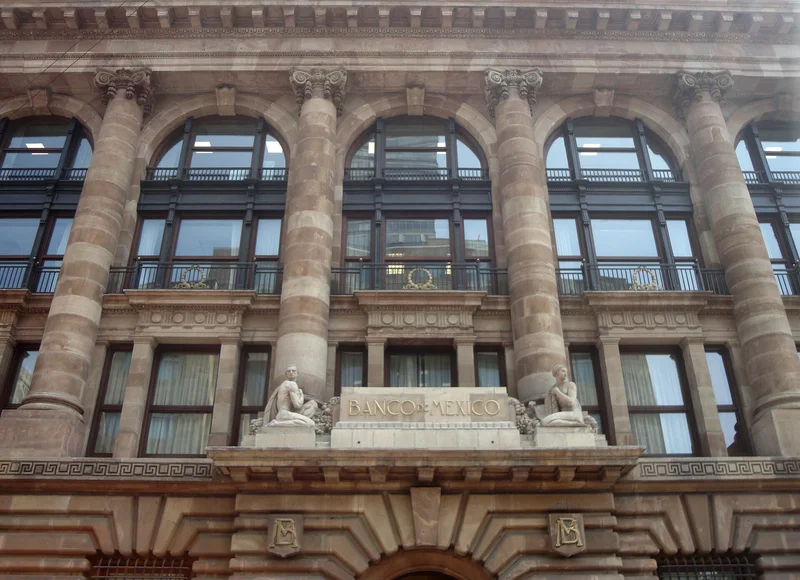
By the official close it stood near 17.03, according to Banco de Mexico. Still, the intraday move mattered, because 17 had long been treated as a psychological line.
The strongest Mexican peso close since May 2024
Two days earlier, on August 12, the peso settled at 17.0959 per dollar. Market wraps flagged that as the firmest close since May 2024.
So the week as a whole marked a clear turn. After months of hovering in the low 18s and high 17s.
The currency finally pushed into territory not seen since before the last US election cycle.
Why the currency is climbing
The main driver is boring but powerful: interest rates. Banxico still pays 6.50%, far above what US dollars earn once inflation is stripped out.
As a result, global investors borrow cheap dollars and park the money in higher-yielding pesos, a trade known as the carry. Meanwhile a softer US dollar worldwide has given the peso extra room to run.
Banxico’s steady hand
The central bank held its benchmark rate at 6.50% on August 6. Its second straight pause after ending a long easing cycle in May.
Officials cited lingering inflation risks. That patience is exactly what carry traders like.
Because the rate gap stays wide, the incentive to hold pesos survives, and the currency keeps its cushion.
What Sheinbaum said
At her Friday morning press conference, Sheinbaum welcomed the move and tied it to her economic plan. She argued the second half of the year would run hotter as delayed public works finally break ground.
“We’re doing well,” she told reporters. “I said the economy would take off more in the second half.
So we’re doing well, and each month will be better.
The record investment behind the mood
Sheinbaum has leaned hard on one number all year. In the first quarter of 2026, Mexico drew US$23.591 billion in foreign direct investment.
A first-quarter record and 10.4% more than a year earlier. The Economy Ministry reported the figure, and Sheinbaum has cited it repeatedly as proof that companies still trust Mexico.
For a currency, confidence like that helps.
New money versus old money
Here is the part that deserves honesty. Of that US$23.591 billion, about US$22.222 billion, roughly 94%, was reinvested earnings.
Profit that foreign firms already in Mexico chose to plow back in. Brand-new investment was just US$1.705 billion, about 7%, while intercompany accounts actually shrank by US$336 million.
In short, the record reflects loyalty from firms already here, not a fresh wave of newcomers.
Cooler inflation, warmer approval
The peso rally lands alongside better price data. Inflation eased to a five-year low in early August, giving households a small breather at the checkout.
That mix has lifted Sheinbaum politically. Because prices are calmer and the currency is firm.
She can point to stability even while US tariff threats rumble in the background.
What a strong Mexican peso means for you
A firmer currency cuts both ways. For travelers and importers it is good news, since dollars, gadgets and foreign trips all get cheaper in peso terms.
For exporters and factories along the border, though, it stings. When the peso strengthens, Mexican goods cost more abroad, which can trim orders and squeeze margins over time.
The trade question that lingers
None of this erases the big uncertainty: trade with the United States. Officials keep stressing that the USMCA pact runs through 2036, with annual reviews built in.
That framing is meant to reassure investors. Yet if Washington leans harder on tariffs, the same flows now lifting the peso could reverse quickly.
So the calm is real but not guaranteed.
Frequently Asked Questions
How low did the Mexican peso go against the dollar?
On August 14, 2026 it traded intraday near 16.98 per US dollar. Its first move below 17 since June 2024, before closing around 17.03.
Why is the peso so strong right now?
Banxico’s 6.50% rate keeps real yields high, drawing carry-trade inflows, while a weaker global US dollar and steady investment add support.
Is Mexico’s record foreign investment really new money?
Mostly no. Of the US$23.591 billion record in Q1 2026, about 94% was reinvested earnings; only around 7% was brand-new capital.
Does a strong peso help or hurt Mexico?
It helps importers, travelers and inflation, but it can hurt exporters and border factories by making their goods pricier abroad.
This article was produced by The Rio Times’ automated newsroom system. How we use AI · Report an error