Venezuela Gold: Old Rivals Unite to Reclaim US$4 Billion in London
Venezuela · Economy
After twin June earthquakes killed thousands. Caracas’s government and opposition set aside a bitter feud to chase 31 tonnes of bullion frozen in the Bank of England since 2018.
Venezuela gold worth about US$4 billion has sat frozen in the Bank of England for years, and Caracas wants it back. This month, the country’s warring government and opposition did something rare: they agreed to fight for it side by side.
The prize is 31 tonnes of bullion, and the goal is to rebuild after a deadly earthquake.
Venezuela gold and a rare show of unity
For once, Venezuela’s bitter rivals are pulling in the same direction. On 12 and 13 August 2026, delegations from President Nicolas Maduro’s camp and the opposition signed a joint statement in Caracas.
In it, both sides pledged to work together to recover the country’s reserves held at the Bank of England. National Assembly leader Jorge Rodriguez and opposition figure Dinorah Figuera read out the communique.
The text promised transparency, traceability and audit rules for any money recovered. As a result, the deal tries to reassure London that the funds would not simply vanish.
How much gold, and what it is worth
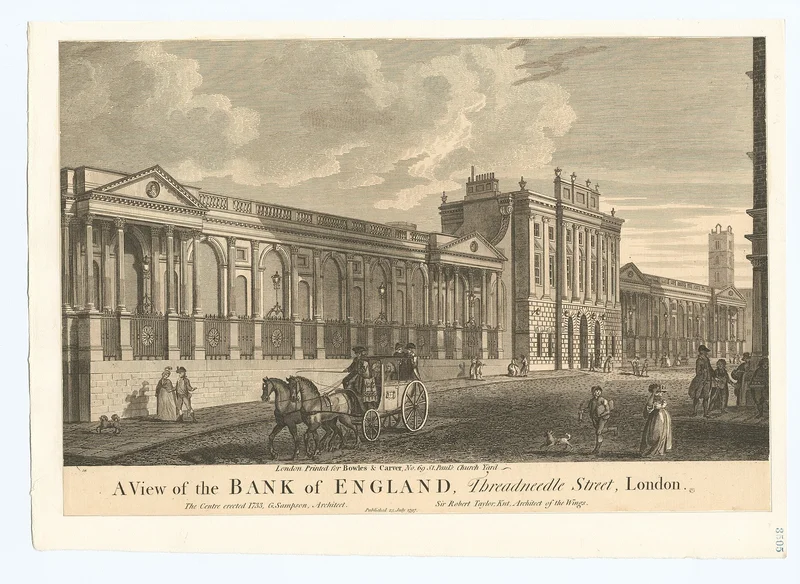
The disputed stash is about 31 tonnes of gold bars. It has been parked in the Bank of England’s vaults on Threadneedle Street for years.
UK court documents valued the metal at roughly US$1.95 billion back in 2020. Since then, however, gold prices have climbed sharply.
As a result, recent 2026 reporting from the Financial Times and Reuters puts the current value near US$4 billion. Some analysts stretch the estimate closer to US$4.4 billion.
Why Caracas wants it now
The urgency is new, even if the dispute is old. On 24 June 2026, twin earthquakes struck Venezuela and, according to the official toll, killed more than 6,300 people.
The United Nations Development Programme estimated the economic blow at about 6% of the country’s output. Because reconstruction will be costly, the frozen gold suddenly looks like a lifeline.
Meanwhile, monthly inflation has run near 20%, squeezing an already fragile economy. So recovering the bullion has become, in the government’s words, a national priority.
A letter to King Charles
The public campaign began weeks earlier at the very top. Around 8 July 2026, acting president and vice-president Delcy Rodriguez said she had written to King Charles III.
She asked him to help release the gold for earthquake relief. “This gold belongs to our people,” she said, arguing it should serve the victims of the disaster.
Still, a royal letter carries little legal weight. Because the Bank of England answers to courts and government policy, the plea was symbolic more than binding.
Six years of legal deadlock
To understand the freeze, you have to go back to 2018 and 2019. Britain stopped recognising Maduro’s government and instead backed opposition leader Juan Guaido as interim president.
That decision split control of the reserves in two. Suddenly, two rival boards claimed to run Venezuela‘s central bank, and each demanded the London gold.
As a result, the Bank of England refused to hand it to either side. The question of who truly spoke for Venezuela landed in the English courts.
What the UK courts decided
The case climbed all the way to the top of the British legal system. In December 2021, the UK Supreme Court ruled that courts must follow the government’s recognition of Guaido.
Then, in July 2022, the Commercial Court refused to accept Venezuelan Supreme Tribunal rulings that tried to void Guaido’s appointments. In effect, that kept his board in the stronger legal position.
The Court of Appeal dismissed the Maduro side’s challenge in June 2023. Yet the picture had already shifted, because Britain quietly stopped recognising Guaido in early 2023.
Why the gold is still stuck
Despite all those rulings, no court has ordered the metal released to anyone. The gold remains locked in the vault while the legal and political questions drag on.
The change in Britain’s stance left the litigation in an awkward limbo. Since London no longer recognises Guaido, the old legal footing has partly dissolved.
For now, therefore, neither faction has clear practical access. The bullion sits frozen, worth more each year yet useful to no one.
A separate BCV banking alliance
Alongside the gold push, the central bank has been courting new partners. In mid-August 2026, Venezuelan outlets reported that the BCV held high-level talks with an institution called Numisma Bank.
The reports describe strategic alliances aimed at currency stability and broader economic goals. Numisma Bank presents itself as a firm focused on wholesale banknote management.
Importantly, none of that reporting links Numisma Bank to the London gold. So the alliance is best read as a separate effort to steady the economy, not part of the reserves fight.
What happens next
The joint pledge is a political signal, not a legal victory. Even so, a united Venezuelan front could make it harder for London to keep stalling.
Any release would still hinge on UK courts, government policy and the transparency safeguards Caracas has offered. Because sanctions remain in place, the path forward is far from simple.
For now, the earthquake survivors wait while the diplomats and lawyers argue. The gold, meanwhile, stays exactly where it has been for years.
Frequently Asked Questions
How much Venezuela gold is held at the Bank of England?
About 31 tonnes of Venezuelan central bank gold sits in the Bank of England’s vaults. UK court papers valued it near US$1.95 billion in 2020, but higher gold prices now put it at roughly US$4 billion.
Why is the gold frozen?
Britain stopped recognising President Nicolas Maduro’s government in 2018-2019 and backed opposition leader Juan Guaido. That created two rival central-bank boards.
Why does Venezuela want the gold back now?
Twin earthquakes on 24 June 2026 killed more than 6,300 people and caused damage the UN estimated at about 6% of GDP. Caracas says the roughly US$4 billion in gold is needed to fund reconstruction and relief.
What is new about the 2026 demand?
On 12-13 August 2026, Venezuela’s government and opposition signed a rare joint pledge to seek the gold’s release together. With transparency and audit safeguards.
This article was produced by The Rio Times’ automated newsroom system. How we use AI · Report an error