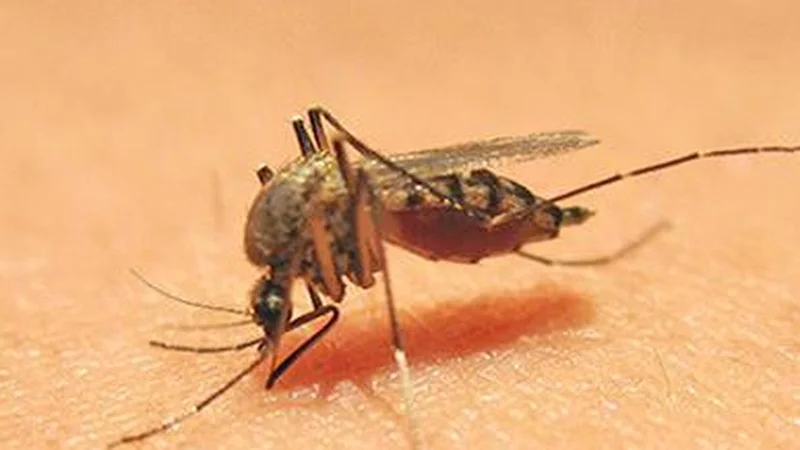
The district health administration has decided to take up dengue and chikungunya prevention and control measures on a campaign mode for the next two weeks in Vattiyurkavu constituency, which has emerged as a hotbed of these vector-borne diseases in the past two months.
A meeting of ward councillors, field staff and Health officials which was called at Vattiyurkavu on Friday to discuss the situation, noted that vector indices of the Aedes species of mosquitoes was high in the locality and that even when cases were spiralling up, people remained blissfully unbothered about the fact that vector control had to be a sustained household affair.
Senior Health officials said that Thiruvananthapuram was certainly living up to its dubious distinction as the State’s dengue capital and that in the month of August alone, the district had reported over 700 cases of dengue (confirmed and probable ) and some 25 cases of Chikungunya.
“This year, till August 12, the district had reported 101 cases of Chikungunya and 54 of these cases were from Vattiyurkavu area. Both dengue and chikungunya are being reported from across the district, but Vattiyurkavu has emerged as the hotspot where both these diseases are rampant. It has been decided that sustained activity on a campaign mode be launched and that health workers make house-to-house visits to make the residents aware of the importance of source reduction,” the district surveillance officer, K.N. Satish, said.
Health officials pointed out that the tested and reported cases constitute only a small fraction of the total caseload in the community and that there were several homes in the locality where more than one person were ill. There are nine wards of the city Corporation in Vattiyurkavu, covered by FHC Vattiyurkavu and the Urban PHC. Health field workers have reported that vector breeding was mostly household-based, in small stagnant water pools in flowerpot trays, biogas plants and in the plastic waste -- discarded disposable food boxes are emerging as a main receptacle for rain water -- casually thrown out by households.
Apathy of residents
There are also many vacant small plots in the Vattiyurkavu area which have become dumping grounds for waste, as well as several houses which have remained locked up for over months, where there could be several vector-breeding sources. “Health workers have pointed to the apathy of urban residents, who, instead of ensuring that their homes are not the breeding ground for mosquitoes, expect health workers to come every week and destroy the vector-breeding sites in and around their homes. People have to take responsibility for source reduction in their own households,” a senior health official said.
Aedes species are container breeders and even a teaspoon of water in a discarded plastic container or even egg shell is enough for the mosquitos to lay eggs. Hence keeping premises clean is a prerequisite to prevent vector breeding. As vector control activities are being taken up on a campaign mode, the Corporation will deploy an additional team of contingency workers -- at least one or two persons per ward -- to implement the control measures.
It has also been decided to carry out intensive fogging in the Vattiyurkavu area from Monday to kill adult mosquitoes. This will be followed up with active vector surveillance and source reduction by health workers. This cycle will be repeated for two-three weeks. Health officials said that the Kerala Public Health Act would be evoked if residents did not take source reduction activities seriously and helped in keeping vector indices down.
Published - August 15, 2026 07:04 pm IST