Kumail Nanjianiâs 2010s podcast The X-Files Files spent much airtime dissecting the funny acrobatics the series had with its sex symbols. Dana Scully, played by a young Gillian Anderson, was curt, cold and clad in gigantic coats. This standoffish redhead only made fans howl harder. I think it was to their benefit that only in recent years has Anderson revealed herself to be a major horndog too. Information that may have caused their guts to explode.
Jane Schoenbrun exhumes their bygone fixations on the regular. The director of I Saw The TV Glow and Weâre All Going to the Worldâs Fair makes vibey plunges into the media that bodied them at a young age. Schoenbrunâs latest and most high budget film, Teenage Sex and Death at Camp Miasma, seeks to decipher one particular intersection of thanatos and eros. And while often painterly and beautiful in how it does so, the film is arguably too annoying to get you in the mood.
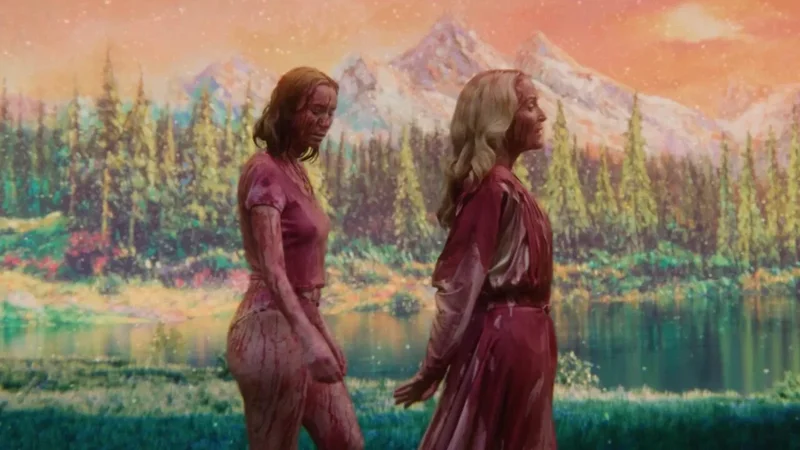
Camp Miasma follows Kris Williams (Hacksâ Hannah Einbinder), a queer indie film darling tasked to reboot the â80s slasher sensation “Camp Miasma.” The studio wants a vogue, elevated horror approach. Williams wants to atone for the seriesâ transphobic sins. The director decides to seek out Billy Presley (Anderson), the original star who has become a recluse, living on the campgrounds where they shot the original series. As discussions about art and intimacy evolve between the two, lines between fact and fiction blur, and an unstoppable killer emerges from the lake.
The nostalgic item in observation for this film is a single frame from the fictional horror, where the reflection of the killer Little Death is caught in Presleyâs widened eye, mid-climax. Williams wants to untangle their troubled relationship with this violent smut. Presley is all too happy to initiate the ritual.
Camp Miasma wants to have its cake and splatter it too. It is both a spoof of virtuous, pseudo-academic reassessment of genre filmmaking as much as a participant in it. Williams, a pretty clear self-insert for Schoenbrun, is over-wound and neurotic. Constantly orating and defining their vision like a too-long Letterboxd review. Before you can make comparisons to Sunset Boulevard, Wes Cravenâs New Nightmare or posts about Sleepaway Camp, the film will do it outright for you. Its metaphors are blunt and labeled, and any more delicate bits are smothered in the bloodshed.
As obnoxious as the script can be, Schoenbrunâs skills as a director shines so much more brightly. Their ability to render such specific imagery, to compose and make visual language is frequently a treat. I would love to see them attack someone else’s script (and from what I heard of their table reading of Secretary, its already bore fruit). The fact Camp Miasma is constantly coming from a defensive position is a shame. Like so much queer film glories and psychosexual horror, it best rises to the occasion when it can embrace decadence, such as a memorable killing spree set to Counting Crows. Miasma feels like a conversation with itself, and not one it is confident enough in to let anyone else participate in, despite being ostensibly about fostering a warpingly personal relationship to video nasties.