- See more Daily Mail on Google - save us as a Preferred Source
Britain's most dangerous prisoners will be offered yoga sessions, acupuncture and philosophy lessons as part of efforts to help them progress towards release from jail.
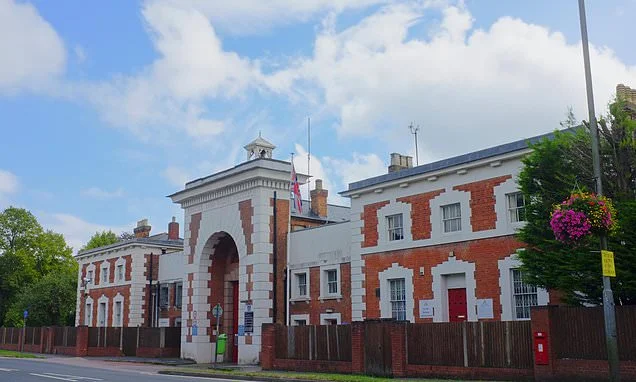
A dedicated prison wing has been created in a centre at HMP Aylesbury in Buckinghamshire.
Convicts serving indeterminate Imprisonment for Public Protection (IPP) sentences – some of the most dangerous people in prison – will be housed in a special centre known as the Phoenix Unit.
These prisoners are regarded as being the furthest from release, either due to the nature of their crimes or because they committed serious offences while in jail.
The Phoenix Unit, on the prison’s D-wing, is part of Government efforts to help IPP prisoners achieve parole. The wing will hold 49 men, of whom 15 will be IPP prisoners. The remainder will be men serving other long sentences.
Prisoners who could be sent to the unit include Richard Lloyd, who was convicted in May 2008 of sexual assault, attempted rape and witness intimidation.
Lloyd was jailed for 37 months. He was released in 2019, recalled in 2020 and remains in custody.
Marlon Chen, another IPP convict, received a four-year sentence in September 2006 for possession of a firearm with intent to endanger life. Chen was released in 2020 but recalled in 2022 after further offences. He remains in custody.
A dedicated prison wing has been created in a centre at HMP Aylesbury in Buckinghamshire to offer Britain's most dangerous prisoners yoga sessions, acupuncture and philosophy lessons
Former prisons minister Lord Timpson told the House of Lords the unit ‘will be a specialist wing for those furthest from release’.
Though it has not been formally launched, the facility was up and running in February, when HM Inspectorate of Prisons reported it was ‘a promising initiative’.
In its report on IPP sentences, published last week, HM Prison and Probation Service stated the unit’s residents will access ‘yoga, acupuncture, peer-led groups, book clubs and a Stoicism course’.
It added that these are ‘intended to support engagement, reflection and personal development’.
More than 8,000 people in England and Wales were handed IPP sentences between 2005 and 2012. These prisoners can be released only once the Parole Board has judged it is safe to do so.
A Ministry of Justice spokesman said: ‘We are determined to make further progress towards safe and sustainable releases for IPP prisoners but not in any way that undermines public protection.’