AI & Machine Learning 19
-
Anthropic Powers AI Leap with Google TPUs
 research →
Anthropic has inked a groundbreaking deal with Google and Broadcom to harness multiple gigawatts of next-gen TPU capacity starting in 2027, turbocharging its Claude AI models. This $21 billion partnership marks a massive expansion of U.S.-based AI infrastructure, reinforcing Anthropic’s explosive growth from $9B to $30B in revenue within months. By leveraging Google’s energy-efficient TPU Ironwood chips alongside a multi-cloud strategy, Anthropic is setting a new standard for scalable AI computing power. The deal signals a major shift in AI hardware dominance, challenging Nvidia’s GPU stronghold and promising faster, greener AI advancements.
-
Developer Crafts AI Voice Chat in 2 Hours
 research →
On a free Saturday, a developer transformed a simple idea into reality by building a voice interface for their AI agent in just two hours. Using a Flask backend, Chrome’s Web Speech API, and Mistral’s cutting-edge Voxtral TTS, the AI not only hears but talks back, complete with glowing avatar eyes synced to speech. This quick build showcases how accessible voice AI is becoming, hinting at a future where talking to AI feels natural and seamless. Next up: more polished, widely available voice AI agents ready for everyday use.
-
New Tricks Tackle LLM Hallucinations
 research →
A wave of fresh research is shaking up how we handle hallucinations in large language models (LLMs). From the playful yet flawed 'make-no-mistakes' skill to serious frameworks like I-CALM that reward honesty and humility, experts are pushing for smarter, confidence-aware AI. Meanwhile, industrial-strength methods promise more consistent, reliable outputs without heavy model overhauls. These breakthroughs matter because hallucinations have long been a barrier to trusting AI in critical fields. Next up: real-world adoption and refining these tools to make AI answers safer and more dependable.
-
AI Models Blind to Visual Details Exposed
 research →
Vision-language models (VLMs), hailed for their multimodal prowess, surprisingly stumble on simple visual tasks like counting and spatial reasoning. A new study introduces a reinforcement learning method that autonomously probes these AI systems, uncovering 36 new failure modes that humans easily spot but machines miss. This breakthrough not only reveals hidden AI blind spots but also promises more robust, trustworthy models as the tech evolves. Next up: refining AI to see the world as sharply as we do.
-
StableTTA Boosts ImageNet Accuracy to 96%
 research →
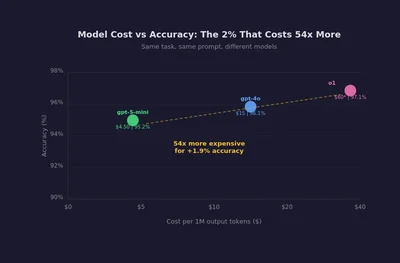
StableTTA just flipped the script on model adaptation by improving ImageNet-1K top-1 accuracy up to 96%—without any retraining. This training-free method slashes computational costs by nearly 90% and lets lightweight models outperform heavyweight Vision Transformers by over 11%. The breakthrough means high-accuracy AI can now run efficiently on devices with limited resources, opening doors for smarter, faster applications everywhere. Next up: broader adoption and real-world deployment across AI-powered systems.
-
VitaTouch Revolutionizes Robotic Quality Checks
 research →
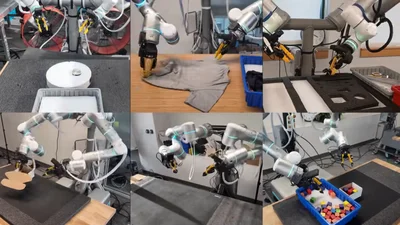
VitaTouch, a cutting-edge vision-tactile-language AI model, is transforming robotic quality inspection in manufacturing by sensing material properties beyond what cameras alone can detect. Developed with a unique multimodal approach combining vision, touch, and language, it achieves near-human accuracy in hardness and roughness detection, tackling challenges like occlusion and reflection. Backed by the extensive VitaSet dataset, this breakthrough promises smarter, more reliable factory inspections. Next up: integrating VitaTouch into real-world production lines to boost efficiency and reduce defects.
-
New AI Governance Stack Boosts System Stability
 research →
A groundbreaking AI Governance Control Stack unveiled by researchers promises to transform how organizations manage AI reliability and accountability. The stack layers six governance mechanisms—from version control to real-time monitoring—ensuring AI systems remain stable, explainable, and compliant with emerging regulations like the EU AI Act. This approach tackles the urgent need for hardened operational governance as AI takes on higher-stakes roles. Experts say this blueprint could become the gold standard for enterprise AI oversight in the coming years.
-
New AI Tool Spots Deepfake Videos Instantly
 research →
A groundbreaking AI detection system unveiled by researchers tackles the growing menace of ultra-realistic deepfake videos. Unlike older methods that lose crucial forgery clues by resizing or cropping, this new approach preserves subtle artifacts by analyzing videos at their native resolution and length. Built on the powerful Qwen2.5-VL Vision Transformer and tested on a massive dataset of over 140,000 AI-generated clips, it promises a major leap in spotting synthetic media. As misinformation surges, this innovation could become a frontline defense against digital deception.
-
PlayWorld Revolutionizes Robot Learning
 research →
A team led by Tenny Yin has unveiled PlayWorld, a groundbreaking system that teaches robots to understand their environment through autonomous play. Unlike previous models, PlayWorld produces highly accurate video simulations of robot-object interactions, a critical leap for robotic manipulation. This innovation promises smarter, more adaptable robots that learn from experience rather than pre-programmed rules. The next step is integrating PlayWorld into real-world robots to accelerate their learning and versatility.
-
AI Revolutionizes Film Engineering Education
 research →
Trinity College Dublin has launched an AI Teaching Assistant (AI-TA) for its Master's Motion Picture Engineering course, marking a bold step in education innovation. Over 7 weeks, 43 students engaged in nearly 1,900 AI-driven queries, including during open-book exams, showcasing AI's potential to transform learning. This pioneering experiment not only fine-tuned AI to meet course demands but also sets the stage for broader AI integration in specialized fields. Next up: expanding AI tutors across more disciplines and institutions.
-
AI Reveals Students’ Surprising Learning Rhythm
 research →
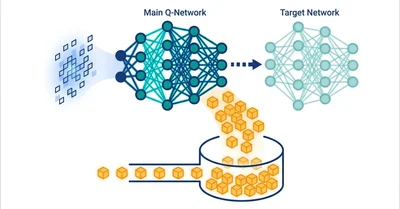
A groundbreaking study using data from Campus AI analyzed 1.8 million student interactions and confirmed that while students start at very different knowledge levels, their learning rates remain strikingly consistent. This automated system, which designs and validates exercises without manual cognitive modeling, showed students reach 80% mastery in about 7.22 practice attempts, nearly matching expert-crafted curricula. This finding could revolutionize personalized education by scaling effective learning models without human bottlenecks. Next, researchers aim to refine AI-driven teaching tools to adapt even more precisely to individual learning curves.
-
BLK-Assist Revolutionizes Artist-AI Collaboration
 research →
BLK-Assist introduces a groundbreaking framework that lets artists fine-tune AI diffusion models to match their unique styles with stunning fidelity. Developed through a close partnership with a professional artist, this modular system preserves privacy and consent while generating high-res, style-consistent artworks. This breakthrough not only empowers creators but also sets a new standard for ethical, customizable AI co-creation. Expect more artists to adopt this approach, transforming how art and AI merge in the near future.
-
SoLA Slashes LLM Size Without Training
 research →
SoLA, a breakthrough compression method unveiled on arXiv, slashes the size of massive language models like LLaMA-2 and Mistral without any retraining. By cleverly combining soft activation sparsity with low-rank decomposition, SoLA keeps only the most impactful components, making billion-parameter models far easier and cheaper to deploy. This means AI-powered apps could soon run faster and leaner on everyday hardware. Next up: real-world tests to prove SoLA’s promise beyond the lab.
-
Cog-DRIFT Unlocks Hard Reasoning Skills
research →
Cog-DRIFT, a new AI training framework, tackles the stubborn problem of teaching large language models (LLMs) to solve tough reasoning puzzles that once yielded no learning signal. By cleverly reformulating complex tasks into simpler, multiple-choice or fill-in-the-blank versions, it creates a learning ladder that helps models climb from easy to hard problems. This adaptive curriculum finally lets AI learn from challenges previously too difficult to crack, promising smarter and more flexible reasoning in future LLMs.
-
GAIN Boosts Domain Adaptation Without Forgetting
research →
GAIN, a new method inspired by neuroscience, revolutionizes domain adaptation for large language models by scaling existing features multiplicatively instead of adding new directions. Tested on models from 774M to 70B parameters across eight domains, GAIN-FFN not only matches LoRA’s in-domain performance but also dramatically reduces forgetting, improving previous domain accuracy by up to 13% while LoRA degrades it by as much as 36%. This breakthrough promises more robust, sequential domain learning for LLMs, with next steps likely focusing on broader deployment and refinement.
-
One LLM to Rule User Preferences
research →
Multi-Objective Control (MOC) is shaking up how large language models handle user preferences by training a single LLM to juggle multiple objectives—like empathy, precision, and humor—all at once. Unlike traditional RLHF methods that average human feedback into one fixed reward, MOC uses multi-objective optimization to tailor responses dynamically across the Pareto front of user desires. This breakthrough promises truly personalized AI interactions without needing separate models for each user. Next, researchers will likely explore real-world deployments to test how well MOC adapts to diverse, evolving human needs.
-
Claude Code Leak Ignites China AI Boom
 research →
In a stunning twist, the accidental leak of Anthropic’s Claude Code source has supercharged China’s AI agent revolution. While the core Claude model remains locked down, the exposed engineering blueprint has unleashed a frenzy among Chinese developers, eager to build smarter, more autonomous AI agents. This leak comes amid Anthropic’s tense stance against China, making the breach a game-changer for the nation’s tech ambitions. Expect a rapid surge in AI innovation as China’s ‘lobster’ framework and Claude Code merge to redefine automation.
-
Open Source Text-to-Video Faces China Challenge
 research →
A recent deep dive into text-to-video AI models reveals a surprising gap: Chinese companies, despite their dominance in language AI, lag behind in open source text-to-video development. This challenges assumptions about China’s AI leadership and highlights the complex nature of 'open source' in AI, where model weights are shared but core training secrets remain locked. Meanwhile, U.S. tech giants like OpenAI, Anthropic, and Google are teaming up to block Chinese attempts to clone their models, signaling a fierce global AI rivalry. The next phase will test how open source innovation and geopolitical tensions shape AI’s future.
-
Humans Hold the Key to AI Job Future
 research →
AI’s impact on jobs isn’t set in stone — it’s a choice we make. Experts warn that AI could either boost wages and create new roles or trigger unemployment and inequality, depending on how society adapts. Tech visionary Marc Andreessen dismisses job loss fears as “fake,” predicting a surge in employment fueled by AI-driven productivity. As AI weaves deeper into daily life, the coming years will reveal whether it becomes humanity’s greatest job creator or disruptor.
Tech & Gadgets 15
-
OpenAI Demands Probe into Musk’s Tactics
 research →
OpenAI has called on California and Delaware authorities to investigate Elon Musk for alleged “improper and anti-competitive behavior” just weeks before a high-stakes trial kicks off. Musk, who co-founded OpenAI in 2015 but left in 2018, now runs rival xAI and has sued OpenAI, claiming the company betrayed its founding mission by going for-profit. OpenAI accuses Musk of trying to sabotage the company, even attempting to rope in Mark Zuckerberg for his bid. The trial, expected to start late April, could reshape the AI industry’s power dynamics.
-
bb-browser Reinvents Twitter Access
 research →
Forget battling API limits or dodging IP bans—bb-browser flips the script by turning your real Chrome browser into the Twitter API. Instead of scraping or headless bots, it runs fetch() inside your logged-in tab, making Twitter think it’s just you browsing. This stealthy approach sidesteps anti-bot detection and rate limits, promising smoother, more reliable access. As Twitter’s API landscape tightens, bb-browser could reshape how developers and users interact with social data.
-
BDC Pioneers Green AI Data Centers
 research →
BDC’s MY06 campus in Johor is setting a new standard for sustainable AI infrastructure with cutting-edge liquid cooling tech that slashes energy use. Achieving a power usage effectiveness below 1.2 and snagging Singapore’s Green Mark Platinum Award—remarkably, the first given outside Singapore—BDC is proving that high-density AI workloads can be eco-friendly. Their partnership with BCA International aims to export these green standards globally, pushing the industry toward 100% renewable energy. This could reshape how data centers worldwide tackle AI’s growing energy demands.
-
Mac Mini, Studio Hit by RAM Delays
 research →
Apple's Mac Mini and Mac Studio are stuck in a RAM bottleneck, with delivery times stretching up to 5 months for high-memory models. This severe shortage is fueled by soaring AI server demand gobbling up memory chips worldwide. Even base models face delays, signaling a tough wait ahead for Apple fans. With chip prices still high, these shipping woes might linger well into the year.
-
2026’s Best Cellphone Plans Unveiled
 research →
The race for the best cellphone and prepaid plans in 2026 is heating up, with 5G technology taking center stage. From blazing-fast mmWave to broad-coverage low-band and balanced midband options, carriers are tailoring plans to fit diverse needs and budgets. Amid rising prices dubbed 'Awful April,' savvy users can still slash bills by matching plans to actual data use. As 5G networks expand, choosing the right plan could mean the difference between blazing speeds and frustrating slowdowns.
-
Apple’s iPhone Fold Hits Trial Production
 research →
Apple’s first foldable iPhone has officially entered trial production at Foxconn, marking a major step toward its anticipated 2026 launch. This milestone signals the device is moving beyond rumors into serious development, with mass production expected to start by July if all goes well. The iPhone Fold, boasting a unique 4:3 aspect ratio and a screen that unfolds to nearly 7.8 inches, is set to shake up the foldable market dominated by Android rivals. While the launch may slip to December, Apple’s foldable debut is now unmistakably real and on the horizon.
-
Samsung Unveils Wider Galaxy Z Fold 8
 research →
Samsung is shaking up the foldable phone game with the upcoming Galaxy Z Fold 8 Wide, a fresh take on its book-style design featuring a wider 4:3 aspect ratio screen. Leaked One UI 9 screenshots and animations hint at a more spacious display without adding extra hinges, promising a new user experience. This innovation arrives as 2026 cements itself as a landmark year for Android, with devices like the Galaxy Z Fold 7 and Google Pixel 10a pushing boundaries across premium and budget segments. Fans can expect Samsung’s new foldable to debut alongside One UI 9 this summer, setting the stage for the next chapter in mobile tech evolution.
-
Amazon Secures Lifeline for USPS Deliveries
 research →
Amazon has struck a crucial deal with the U.S. Postal Service, ensuring USPS retains about 80% of its package deliveries from Amazon—over 1 billion packages annually. This agreement averts a looming crisis for the cash-strapped USPS, which faced losing up to two-thirds of Amazon's business, worth around $6 billion a year. While Amazon will still expand its own delivery network, this pact preserves the vital partnership that supports millions of customers nationwide. The deal marks a rare win for USPS amid financial struggles and sets the stage for continued collaboration.
-
Microsoft Forces Windows 11 Update Amid Backlash
research →
Microsoft is pushing the Windows 11 25H2 update onto all eligible PCs, sparking fresh frustration after years of user complaints about quality. The company openly admitted its struggles with product performance in a rare apology, promising to prioritize reliability moving forward. Despite this, the forced update—with no opt-out—raises questions about user control and trust. With Windows 12 on the horizon, Microsoft faces a critical test to regain goodwill and avoid repeating past mistakes.
-
Samsung Galaxy Watch 8 Slashes Prices Fast
 research →
Samsung’s Galaxy Watch 8 is turning heads with sizzling discounts this April. You can now grab the standard model for $289.99 on Amazon, down from $349.99—a neat 17% off. Meanwhile, the Galaxy Watch 8 Classic is nearly half off at Woot.com, boasting a sleek, traditional look with modern tech inside. These deals highlight Samsung’s push to dominate the smartwatch market, and with limited-time offers, buyers should act quickly before stocks run dry.
-
Ecobee Bundle Boosts Smart Home Safety
 research →
The Ecobee Comfort and Security Bundle is shaking up smart home tech by combining a premium thermostat with advanced security sensors, now available at a sharp 28% discount for $244.99 on Amazon. This clever setup not only learns your schedule to optimize home temperature but also keeps a vigilant eye on doors, windows, and valuables with motion detection. With indoor air quality tracking and real-time alerts, it’s a smart upgrade for anyone serious about comfort and security. Expect more homes to get smarter and safer as this bundle gains traction.
-
HP Omen Max 45L Slashes $1,000 Off
 research →
HP’s Omen Max 45L gaming PC, packing a beastly AMD Ryzen 9 9900X3D and RTX 5090, just dropped $1,000 in price to $5,499. This powerhouse rig boasts 64GB DDR5 RAM and a massive 4TB SSD, perfect for 4K gaming without compromise. With memory prices soaring, this sale is a rare chance to snag top-tier performance without breaking the bank. Act fast—this deal won’t last long.
-
iPhone 18 and Air 2 Leaks Spark Buzz
 research →
Fresh leaks reveal the new iPhone 18 will keep its classic look with only minor tweaks, while the iPhone Air 2 is also gearing up for launch. Contrary to earlier rumors, the smaller Dynamic Island feature seems reserved for the Pro models, leaving the base iPhone 18 largely unchanged. These insights come just as Apple fans eagerly await official announcements, hinting at a steady evolution rather than a design overhaul. With launch dates drawing near, excitement is building for what Apple’s next generation will truly bring.
-
Samsung Galaxy Z Wide Fold Leaks Ignite Buzz
 research →
Samsung is stirring excitement with leaks about its upcoming Galaxy Z Wide Fold, a new foldable smartphone boasting a unique 4:3 aspect ratio. Certified batteries hint at an imminent launch alongside the Galaxy Z Fold 8 and Z Flip 8, signaling a bold expansion in Samsung’s foldable lineup. Early impressions suggest the Wide Fold will be easier to handle, thanks to One UI 9 tweaks. Fans and tech watchers are now eagerly awaiting the official reveal to see how this device reshapes foldable phone design.
-
Moto Watch Promises, But Falls Short
 research →
The Moto Watch, Motorola's latest $150 fitness tracker, arrived with high hopes thanks to a partnership with Polar, dual-band GPS, and a week-long battery life. Despite these promising specs, real-world use revealed it struggles to deliver the fitness accuracy and reliability enthusiasts crave. This leaves Motorola's comeback in wearables hanging in the balance, with fans hoping future updates can turn this participation trophy into a winner.
World Politics 14
-
UNSC Votes on Hormuz Resolution Amid Tensions
 research →
The UN Security Council is set to vote on a Bahrain-drafted resolution aimed at reopening the Strait of Hormuz, a critical artery for global oil trade. The latest draft softens language from authorizing 'all necessary means' to merely encouraging coordinated defense efforts among states using the strait. This move comes just hours before US President Donald Trump's deadline for Iran to reopen the waterway, which has been tense following recent US-Israeli strikes and Iranian retaliations. The vote's outcome could shape the fragile balance of power in this strategic chokepoint and impact global energy markets.
-
Southeast Asia Edges Toward China Over US
 research →
A fresh survey reveals a cautious mood in ASEAN toward US relations under a potential second Trump term, with only 32.8% expecting improvement and nearly 30% fearing deterioration. Economic concerns, especially US sanctions and tariffs, dominate regional skepticism, overshadowing military or political issues. This shift signals a subtle but significant tilt back toward China if forced to choose, reflecting growing unease with Washington’s trade tactics. The coming months will test whether US policy can regain ASEAN’s confidence or cede ground to Beijing’s influence.
-
Top Indian Election Chief Stays Put
 research →
India’s Rajya Sabha Chairman C.P. Radhakrishnan and Lok Sabha Speaker Om Birla have rejected a bold opposition move to remove Chief Election Commissioner Gyanesh Kumar. Despite a massive 193-MP notice accusing Kumar of bias and electoral misconduct, the presiding officers dismissed the motion without citing specific reasons. This decision underscores the resilience of India’s election authority amid political storms. The opposition now faces a tough road ahead as the Budget session resumes on April 16.
-
Myanmar Junta Chief Seizes Presidency
 research →
Min Aung Hlaing, Myanmar’s military strongman, has cemented his rule by winning the presidency with an overwhelming 429 out of 584 parliamentary votes. This move formalizes the junta’s grip on power following the 2021 coup that toppled Aung San Suu Kyi’s government and plunged the nation into chaos. With the military-backed parliament stacked in his favor, civilian rule is little more than a facade. The country now faces an uncertain future amid ongoing civil conflict and international condemnation.
-
Luxon Faces Poll Slump Amid Fuel Stability
 research →
Prime Minister Christopher Luxon confronted a fresh political challenge as National's support dipped below 30% in the latest poll. Despite the slump, fuel supplies remain rock-solid, with New Zealand holding over 60 days of petrol and strong diesel and jet fuel reserves, easing fears of disruption. Luxon also presided over the swearing-in of two new ministers, signaling a government steadying itself amid political headwinds. The coming weeks will test whether Luxon can reverse his party’s fortunes while maintaining public confidence in essential services.
-
Asia-Pacific Battles for Maritime Data Control
 research →
In the Asia-Pacific, the real maritime showdown is no longer about territory but about who controls satellite surveillance data. States across the region are racing to harness advanced satellite tracking and analytics to monitor vessel movements and maritime activity in near real-time, reshaping power dynamics beneath the waves. This digital contest could redefine sovereignty and security far beyond traditional naval presence. As this silent battle intensifies, expect new tech-driven strategies to dominate regional maritime policies.
-
Ex-NZ Spy Kit Bennetts Unmasks CIA Cold War Cover
 research →
Kit Bennetts, a former New Zealand intelligence officer, has pulled back the curtain on his secret six-year undercover mission for the CIA during the Cold War. Recruited in 1979 while working for NZ’s SIS, Bennetts infiltrated Soviet and East European intelligence circles, feeding false tech to America’s rivals. His gripping revelations come via a new RNZ podcast, The Agency, where he recounts close calls and covert friendships with enemy agents. This story not only rewrites Kiwi spy lore but also shines a light on Cold War espionage’s shadowy frontlines—what other secrets might still lie hidden?
-
Milei and Kast Forge Right-Wing Pact
 research →
In a bold political move, Argentina's President Javier Milei welcomed Chile's new leader José Antonio Kast to Buenos Aires, marking Kast's first official foreign visit. This handshake signals a sharp ideological pivot as both nations unite against shared foes like narcotrafficking and organized crime, while aligning on security, energy, and economic policies. The alliance also spotlights the controversial extradition case of fugitive Galvarino Apablaza, underscoring their tough stance. With Milei's approval ratings plummeting amid economic woes, this partnership could redefine regional power dynamics going forward.
-
New Evidence Rekindles Bill Sutch Spy Debate
 research →
Half a century after Bill Sutch was acquitted of spying for the Soviets, fresh evidence has emerged that could rewrite history. Historian Sarah Gaitanos has unveiled previously withheld documents suggesting Sutch’s covert ties to the KGB. Once celebrated for his adventurous tales, Sutch’s legacy now faces a shadow of espionage. This revelation reignites questions about Cold War secrets and what else might still be hidden.
-
Busan Mayoral Race Heats Up Ahead of Primaries
 research →
The Busan mayoral race is reaching a fever pitch as the Democratic Party of Korea (DPK) prepares to choose between Rep. Chun Jae-soo and former party chair Lee Jae-sung in this week’s primary. Incumbent Mayor Park Heong-joon is also vying for a third term through the People Power Party primary. With the June 3 local elections looming, these primaries will set the stage for a high-stakes battle in South Korea’s second-largest city. The outcome could reshape Busan’s political landscape and signal broader national trends.
-
NATO Faces Historic Rift Over US Ties
 research →
NATO is grappling with a seismic shift as several European countries block US military flights, challenging decades of transatlantic unity. This unprecedented move, sparked by disagreements over Iran policy and amplified by President Trump's blunt threats, questions the very foundation of NATO’s collective defense. With Secretary General Mark Rutte rushing to Washington, the alliance’s future balance between solidarity and sovereignty hangs in the balance. What unfolds next could redefine global security for years to come.
-
CHP Boots Detained Uşak Mayor Amid Scandal
 research →
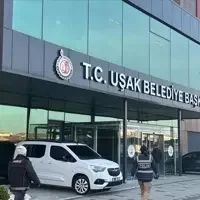
CHP has moved decisively to expel Özkan Yalım, the detained mayor of Uşak, following his arrest on bribery and extortion charges. Suspended from office and party membership, Yalım now faces the party’s high disciplinary board as footage and investigations have rocked the opposition. This crackdown signals CHP’s effort to clean house amid wider corruption probes hitting its ranks. The party’s next steps will be closely watched as the scandal unfolds.
-
Spain’s Socialists Surge on Anti-War Stand
 research →
Spain’s ruling Socialist Party, led by Prime Minister Pedro Sanchez, is riding a wave of public support thanks to its firm opposition to the U.S.-Israeli war on Iran. Recent polls show the Socialists gaining ground, with support climbing to nearly 28%, while the far-right Vox party, backing the offensive, has stalled. This shift underscores growing Spanish rejection of the conflict, with 85% opposing the war. As tensions simmer globally, Spain’s political landscape is clearly reshaping around peace advocacy.
-
Korea Taps Indonesia to Secure Energy Future
 research →
In a bold move to shield itself from global energy shocks, Korea is deepening ties with Indonesia, spotlighted during the recent summit between Presidents Lee Jae Myung and Prabowo Subianto. Indonesian Chamber of Commerce chief Anindya Novyan Bakrie emphasized shifting from short-term deals to lasting industrial partnerships, aiming to secure critical minerals and energy supplies. This strategy comes as Indonesia battles soaring fuel costs and rationing measures at home. The alliance signals a strategic pivot for Korea amid rising geopolitical risks, with both nations eyeing a robust, long-term energy collaboration.
Business & Economy 17
-
SpaceX IPO Sparks Investor Skepticism
 research →
SpaceX is gearing up for what could be the largest IPO ever, targeting a staggering $1.75 to $2 trillion valuation. Elon Musk’s ambitious pitch leans heavily on his ability to ‘sell the dream,’ but Wall Street remains cautious amid questions about the company’s true worth. The IPO will notably include a historic retail investor component, aiming to rally Musk’s loyal fan base. All eyes are now on the upcoming roadshow in June to see if SpaceX can truly launch its market debut into orbit.
-
Japanese Bond Yields Surge to 1997 High
 research →
Japanese Government Bond yields have climbed sharply, with the 10-year yield hitting 2.432%, the highest since 1997. This jump reflects rising inflation and a weakening yen, forcing the Bank of Japan into a more hawkish stance amid Japan’s massive debt load. Despite this, demand for longer-term bonds is cooling, signaling investor caution amid global uncertainties. The coming months will test whether Japan can attract buyers with even higher yields to manage its fiscal challenges.
-
Rupiah Plunges to Historic Low
 research →
Bank Indonesia stepped into the foreign exchange market after the rupiah tumbled to a record low of 17,090 per dollar on Tuesday. The central bank’s swift intervention aims to stabilize the currency amid growing concerns over economic volatility. This move highlights Indonesia’s commitment to shielding its economy from external shocks. Market watchers will be closely monitoring the rupiah’s next moves as global pressures persist.
-
Oil Surges Past $110 Amid Iran Strait Showdown
 research →
Oil prices have surged above $110 per barrel as tensions escalate between the U.S. and Iran over the Strait of Hormuz, a vital artery for global oil shipments. President Donald Trump issued a stark ultimatum, threatening to dismantle Iran’s infrastructure within hours if the strait remains closed past his deadline. Iran’s Revolutionary Guards vow a new order in the Gulf, signaling prolonged instability. With energy markets on edge, the world braces for what could be a volatile standoff with far-reaching consequences.
-
IMF Slashes Global Growth Amid Iran War
 research →
The IMF has slashed its global growth forecast as the war in Iran wreaks havoc on oil supplies and fuels inflation. Managing Director Kristalina Georgieva warns that even a quick end to the conflict won’t stop prices from soaring and economies from slowing down. The disruption in the Strait of Hormuz, a critical oil artery, has sent shockwaves through the global market. Next week’s official IMF report is expected to confirm a grim outlook for the world economy.
-
RBNZ Holds OCR Steady Amid Global Uncertainty
 research →
The Reserve Bank of New Zealand has kept the official cash rate steady at 2.25%, choosing caution amid the fog of the Middle East conflict and economic uncertainty. Governor Anna Breman signaled a ‘wait and see’ approach, accepting inflation pressures but avoiding knee-jerk reactions. Markets now eye potential rate hikes in September and later this year, but for now, RBNZ’s message is clear: when the future is unclear, hold tight.
-
Markets Brace for Iran Showdown
 research →
Global markets jittered on the brink of President Donald Trump’s looming Iran deadline, with oil prices hovering near $110 a barrel and Asian stocks cautiously climbing. Despite tentative ceasefire talks, Trump’s stark warning to cripple Iran’s power infrastructure if demands aren’t met has traders on edge. Tech giants like Samsung Electronics rallied, seen as safer bets amid turmoil. All eyes now turn to Tuesday 8 p.m. ET, when the world awaits whether diplomacy or conflict will prevail.
-
Indian Insurers Brace for Q4 Earnings Hit
 research →
Indian insurers are set to report cautious Q4 earnings as the Iran war-triggered equity market plunge erased investment gains, hitting profitability. The Nifty 50's nearly 14% drop and rising bond yields dragged down life insurers, with private players facing a 4-5% negative impact and LIC about 1%. Demand for life insurance products like ULIPs has cooled amid market volatility, though Axis Max Life and LIC remain industry leaders. Investors will watch closely how these trends shape the sector’s recovery in FY27.
-
Fund Managers Rally Around Large Caps
 research →
After a recent market sell-off, fund managers are steering clear of risky bets, favoring large-cap stocks as valuations settle into safer territory. Mid- and small-cap stocks remain under a cloud of skepticism due to lingering uncertainties. Experts recommend investors stay the course but enter the market gradually, signaling cautious optimism amid volatility. This approach could stabilize India’s market outlook as it navigates global pressures and foreign outflows.
-
India’s 10-Year Bond Yields Drop Amid De-escalation Hopes
 research →
India’s 10-year sovereign bond yields fell sharply by 9 basis points to 7.04% on Monday, marking the first decline in over two weeks. This comes as optimism grows around a potential end to the West Asia conflict, with reports of a US-Iran de-escalation framework in the works. The market also welcomed a lower-than-expected state borrowing plan, easing pressure on yields. Investors now turn their attention to the Reserve Bank of India’s policy rate decision on April 8, which could further influence bond markets.
-
Wall Street Climbs Amid Iran Ceasefire Hopes
 research →
Wall Street surged on Monday, with the Dow Jones climbing 165 points as investors reacted to tentative US-Iran ceasefire talks and escalating threats. Key sectors like travel, aerospace, and homebuilding outperformed, while Soleno Therapeutics soared 32% after a $2.9 billion acquisition deal. Despite President Trump's harsh rhetoric, markets are betting on a diplomatic breakthrough that could ease Middle East tensions. Traders will be watching closely for next moves in negotiations and oil price shifts.
-
IPO Giants Show Mixed Market Welcome
 research →
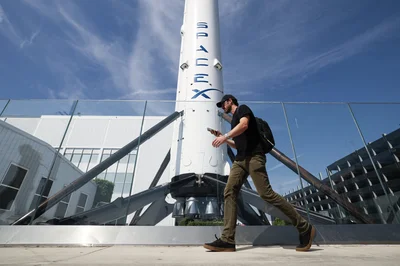
The biggest IPOs of the past quarter have landed with a mixed splash, as investors reward companies with quick profits and low risk while shying away from those with longer roads to returns. Out of 109 IPOs in FY26, only about one-third delivered gains, with stars like Ather Energy soaring 139%. Meanwhile, SpaceX’s looming $1.75 trillion IPO is already seen as fully priced, warning investors to temper expectations. With volatility and geopolitical tensions still swirling, the IPO market’s next moves will be closely watched.
-
BOJ Signals Caution Amid Middle East Turmoil
 research →
The Bank of Japan is holding its cards close, warning that the Middle East conflict's spike in oil prices and supply chain disruptions could dent Japan's economy. Despite some hawkish voices pushing for rate hikes to tackle inflation, the BOJ’s latest report reveals firms already feeling the pinch from rising costs and uncertainty. This cautious stance suggests the central bank may delay any interest rate increases as it weighs the risks. Investors and markets will be watching closely to see if the BOJ shifts gears in the coming months.
-
Supreme Court Clears Adani’s Jaypee Takeover
 research →
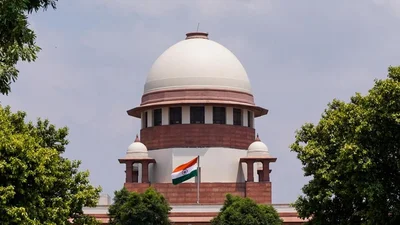
The Supreme Court has refused to block Adani Enterprises’ ₹14,535-crore bid to acquire the insolvent Jaypee Group’s assets, marking a major win for Gautam Adani. Despite opposition from mining giant Vedanta, the court urged the National Company Law Appellate Tribunal (NCLAT) to swiftly resolve the dispute. This green light paves the way for Adani to expand his industrial empire, with the final hearing set for April 10. The business world will be watching closely as this landmark deal unfolds.
-
Bitcoin Surges Amid Inflation Jitters
 research →
Bitcoin broke past the $70,000 mark for the first time since late March, fueled by a mix of inflation data and shifting market sentiment. With U.S. core PCE and CPI reports looming, investors are recalibrating expectations on Federal Reserve rate cuts, which now seem less likely this year. This tug-of-war between macroeconomic pressures and bullish technical signals keeps crypto watchers on edge. Next up: will Bitcoin sustain this rally or buckle under inflation’s weight?
-
RBI Holds Rates Amid Global Turmoil
 research →
The Reserve Bank of India (RBI) is set to keep interest rates steady, focusing instead on stabilizing the rupee and managing bond yields as the US-Israel-Iran conflict rattles global markets. With energy prices surging and fiscal pressures mounting, the RBI's Monetary Policy Committee met April 6-8 to navigate these choppy waters. Experts predict possible new measures to support the rupee, including import restrictions and special FX facilities. All eyes will be on the RBI’s communication for clues on India’s economic resilience and next moves.
-
Indian Bank Stocks Plunge Amid Economic Strain
 research →
Indian bank stocks have taken a massive hit, shedding $95 billion since early March as the Reserve Bank of India's efforts to defend the rupee and rising energy prices tighten financial conditions. The ongoing Middle East conflict threatens to stall India's fragile credit recovery, spooking global investors who pulled out a record ₹327 billion ($3.5 billion) in March. With monetary policy expected to stay tight, experts warn more pain could be ahead, though some see value emerging in battered bank shares. The RBI’s upcoming moves on currency and bond markets will be crucial to watch.
Crypto & Fintech 16
-
Anthropic Secures Gigawatts to Power AI Surge
 research →
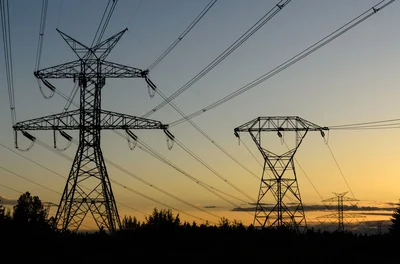
Anthropic has inked a groundbreaking deal with Google and Broadcom to secure multiple gigawatts of next-gen TPU compute capacity starting in 2027, marking its largest infrastructure commitment yet. This massive scale-up is fueling Anthropic’s explosive revenue growth, now hitting a $30 billion annual run rate, and signals AI’s fierce competition with bitcoin mining for scarce power resources. With demand for AI models like Claude skyrocketing, this deal underscores a pivotal shift in energy and tech landscapes. The next few years will reveal how this compute arms race reshapes both AI innovation and global power grids.
-
SEC’s Crypto Safe Harbor Nears Launch
 research →
The US Securities and Exchange Commission, led by Chair Paul Atkins, has sent a groundbreaking crypto market safe harbor proposal to the White House for review. This new regulation aims to carve out startup and fundraising exemptions, plus a safe harbor for investment contracts, potentially igniting fresh innovation in the US crypto scene. If approved, it could finally bring much-needed clarity to a murky regulatory landscape. The crypto world now waits eagerly as the proposal edges closer to becoming official.
-
Solana Launches STRIDE to Fight DeFi Hacks
 research →
The Solana Foundation has unveiled STRIDE, a new security auditing framework aimed at shielding Solana-based DeFi projects from escalating attacks. Developed with Web3 security firm Asymmetric Research, STRIDE evaluates protocols across eight critical security pillars and publicly shares findings to boost transparency. This move comes amid a surge of sophisticated exploits, including a recent $285 million hack linked to North Korean operatives. STRIDE promises to raise the bar for DeFi security on Solana, but the ecosystem’s resilience will be tested as attackers evolve.
-
Bitcoin Slips as Whales Dump Holdings
 research →
Bitcoin's price dipped toward $68,000 after failing repeatedly to break above the $70,000 mark, signaling a fragile market. Despite the calm surface, data from Glassnode and Caladan reveal weakening demand and large holders offloading their coins, leaving Bitcoin vulnerable to a sharper decline. With traditional markets quiet due to holidays, the crypto scene is now hinging on macroeconomic flows and derivatives rather than broad investor enthusiasm. Traders will be watching closely to see if Bitcoin can regain momentum or slide further.
-
MoltsPay Unleashes Multi-Chain Payments
 research →
MoltsPay just shattered blockchain boundaries with its Universal Payment Protocol, letting AI agents accept payments across seven chains like Base, Polygon, and Solana — all with zero gas fees for users. This means developers no longer have to pick a single blockchain, as MoltsPay’s API handles the complexity behind the scenes. The breakthrough could turbocharge AI-driven commerce by making payments seamless and chain-agnostic. Next up: wider adoption and more chains joining the network.
-
Arc Network Launches Quantum-Proof Blockchain
 research →
Arc Network, backed by Circle and USDC, is set to launch its mainnet with built-in post-quantum signature support, aiming to shield crypto assets from the looming threat of quantum computers. Unlike legacy blockchains scrambling to patch vulnerabilities, Arc offers an opt-in, seamless upgrade path for wallets, validators, and infrastructure to resist quantum attacks. Experts warn quantum computers could break Bitcoin and Ethereum cryptography by 2032, making Arc’s proactive defense a game-changer. The rollout begins now, with full quantum resistance planned in phases, promising a safer future for institutional crypto holdings.
-
Persona Wallet Exposed: Surveillance Unmasked
 research →
Persona Wallet's latest APK teardown reveals a startling truth: the app embeds a hardcoded AES-256-GCM encryption key, enabling extensive user tracking and telemetry. Independent researchers uncovered this in version 1.14.0, showing how deeply Persona's SDK integrates surveillance into apps like Roblox. This raises urgent privacy concerns as millions unknowingly share data under a veil of encryption. Next up: calls for transparency and tighter regulation of SDKs embedded in everyday apps.
-
China Pushes Blockchain to Boost Bank-Tax Ties
 research →
China’s tax and financial regulators are urging banks to adopt blockchain technology to revolutionize the “bank-tax interaction” model, aiming to streamline data sharing and expand financing for small businesses. This move targets reducing information gaps between tax authorities, banks, and enterprises, while enhancing credit approval efficiency for honest taxpayers. It’s a key step in China’s ambitious plan to embed blockchain into its data infrastructure by 2029, potentially unlocking billions in investment. The next phase will focus on rolling out these upgrades nationwide, reshaping how finance and taxation collaborate.
-
Korean Crypto Firms Court Foreign Allies
 research →
Korean crypto companies are sidestepping stalled local laws by partnering with foreign firms to launch new ventures. Hana Financial Group, teaming with Circle and Crypto.com, is piloting stablecoin payments for tourists, while Danal is rolling out similar services with Binance Pay. This strategic pivot aims to build crypto infrastructure amid regulatory uncertainty and could reshape Korea’s digital asset landscape. Watch for these cross-border collaborations to accelerate as legislation lags.
-
Jamie Dimon Urges JPMorgan to Speed Up Blockchain Race
 research →
Jamie Dimon, CEO of JPMorgan Chase, has sounded the alarm that blockchain and tokenization are rapidly reshaping finance, posing a direct challenge to traditional banks. In his latest letter to shareholders, Dimon emphasized the need for JPMorgan to accelerate its own blockchain initiatives to keep pace with emerging competitors leveraging stablecoins and smart contracts. This pivot signals a major shift as tokenization moves from niche crypto circles into mainstream finance. The coming months will reveal how JPMorgan balances innovation with its legacy systems to stay relevant.
-
AI Agents Hire Each Other with Escrow
 research →
The new AGENTIS platform is revolutionizing AI collaboration by enabling autonomous agents to hire one another securely using a 15-step lifecycle that includes escrow and dispute resolution. This system solves the trust gap in AI-to-AI transactions, allowing agents to discover, negotiate, and settle deals seamlessly. With agents listing capabilities and prices openly, the platform could reshape how AI ecosystems cooperate and transact. Next up: broader adoption and integration with emerging AI standards like MCP and FastMCP.
-
IMF Flags Tokenization’s Financial Peril
 research →
The IMF has sounded the alarm on tokenization, warning that stablecoins and tokenized finance could spark lightning-fast liquidity crises unlike anything traditional markets have faced. Their new report highlights how instant, cross-border settlements bypass regulatory safeguards, risking sudden runs and systemic shocks. With tokenized assets operating at machine speed, the IMF urges governments to anchor these systems in safe assets and robust governance to prevent chaos. The financial world now faces a race to adapt frameworks before tokenization reshapes markets beyond control.
-
Binance Compliance Exodus Raises Alarms
 research →
Binance is facing a fresh crisis as key compliance staff, including teams handling sanctions and financial crime monitoring, are walking out. This comes just months after the exchange pleaded guilty to US sanctions and anti-money-laundering violations and hired Noah Perlman to rebuild its compliance framework. The departures threaten to undermine Binance’s hard-fought efforts to regain trust and regulatory footing. Industry watchers will be watching closely to see if Binance can stabilize its compliance ranks or face further scrutiny.
-
North Korea Pulls $285M Crypto Heist
 research →
North Korean hackers pulled off a jaw-dropping $285 million theft from Drift Protocol, Solana’s largest decentralized exchange, in just 12 minutes. This wasn’t a quick smash-and-grab but a meticulously planned six-month infiltration involving in-person meetings at crypto conferences and deep trust-building. The hackers gained control of governance powers to drain funds rapidly, exposing glaring security risks in DeFi. Now, Drift is scrambling to recover and tighten defenses as the crypto world watches closely.
-
BitMine Nears 4% of Ethereum Supply
 research →
BitMine Immersion Technologies has ramped up its Ethereum hoard, snapping up over 71,000 ETH last week alone, pushing its total holdings to nearly 4.8 million ETH—just shy of 4% of all circulating Ethereum. Valued at around $10.3 billion, this massive stash signals BitMine’s bullish bet on ETH’s resilience amid global market jitters. With ETH prices hitting weekly highs and BitMine’s NYSE uplisting imminent, the firm is setting the stage for a new era of crypto treasury dominance. Investors will be watching closely to see if BitMine hits its ambitious 5% supply target next.
-
Onchain Perp DEX Volumes Plunge 50%
 research →
Onchain perpetual futures trading on decentralized exchanges has taken a sharp hit, with volumes tumbling from a peak of $1.36 trillion in October 2025 to just $699 billion in March 2026, marking five consecutive months of decline. Daily trading activity also hit a low not seen since mid-2025, signaling a cooling appetite for these derivatives. This downturn raises questions about the sustainability of DeFi derivatives growth amid shifting market dynamics. Traders and analysts will be watching closely to see if volumes stabilize or continue to slide in the coming months.
War & Conflicts 11
-
Germany Trains 26,000 Ukrainian Soldiers
 research →
Germany has trained nearly 26,000 Ukrainian Armed Forces personnel since mid-2022, under the Multinational Special Training Command. This massive effort supports Ukraine’s battlefield needs with specialized, modular programs across 50+ facilities. As the war drags on, this training boost is crucial for Kyiv’s resilience against Russia. The next phase will likely expand these efforts amid ongoing conflict pressures.
-
Trump Threatens Iran’s Power Grid Blitz
 research →
President Donald Trump has escalated tensions by threatening to destroy every power plant and critical infrastructure in Iran within hours, a move experts warn could constitute war crimes. His blunt ultimatum aims to force Tehran into a diplomatic surrender, but Iran’s government condemns the threats as incitement to crimes against humanity. With the deadline looming, the world watches nervously as the risk of a devastating conflict intensifies. The next 48 hours could reshape Middle East stability dramatically.
-
UK, Italy, Romania Boost Special Forces in Moldova
 research →
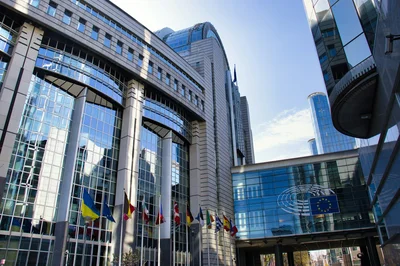
Special forces from the UK, Italy, and Romania teamed up with Moldovan troops for the JCET-2026 exercises from March 23 to April 3, sharpening their skills in parachuting, weapons handling, and medical drills. This joint training aims to tighten coordination for special missions amid rising regional tensions. Moldova’s increasing NATO-linked drills stir unease in Transnistria and local opposition, spotlighting the fragile balance in this neutral country. Watch for how these exercises might reshape security dynamics in Eastern Europe.
-
Pakistan Brokers Iran-US War Response
research →
In a tense twist to the escalating Iran-US conflict, Iran has sent its official response to a US peace proposal through Pakistan, rejecting a temporary ceasefire and demanding a permanent end to hostilities with sanctions relief and security guarantees. This move underscores Pakistan’s pivotal role as a regional mediator amid mounting pressure from President Donald Trump’s looming threats to strike Iranian infrastructure. As diplomatic talks intensify, the world watches closely to see if these negotiations can prevent further devastation in the Gulf.
-
US Launches Massive Airstrikes, Rescues F-15 Crew
research →
The US military has unleashed a staggering campaign, striking over 13,000 targets across Iran as part of Operation Epic Fury, involving nuclear carriers, F-35s, and B-52 bombers. In a daring weekend mission, an 'air armada' of 176 aircraft pulled off a high-risk rescue of an F-15E Strike Eagle crew deep inside Iran, showcasing extraordinary bravery. This intense escalation signals a new chapter in US-Iran conflict, with the world watching closely for what comes next.
-
South Korea to Transfer KF-21 Jet to Indonesia
 research →
South Korea and Indonesia have tentatively agreed to transfer one of the six KF-21 fighter jet prototypes to Jakarta, marking a milestone in their decade-long joint development project. The handover, valued at around $398 million, includes a single-seat prototype used for critical tests like aerial refueling. This move not only cements Indonesia’s role as a key partner but also signals the KF-21’s readiness as South Korea’s homegrown supersonic fighter nears completion in June. The transfer could reshape regional defense dynamics as both nations deepen military cooperation.
-
1990 Insurgency Shakes Assam's AGP Rule
 research →
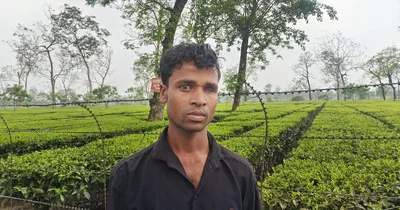
Back in 1990, the Asom Gana Parishad (AGP) government found itself on the ropes as it struggled to contain the rising insurgency led by ULFA. This turmoil not only destabilized Assam’s political landscape but also exposed the fragile grip of regional powers over law and order. The insurgency's impact still echoes today, reminding us how fragile peace can be in the Northeast. Looking ahead, understanding this history is key to addressing ongoing security challenges in Assam.
-
Four Israeli Soldiers Nabbed for Iran Spying
research →
Four Israeli soldiers serving in combat units have been arrested on suspicion of spying for Iran amid ongoing regional tensions. The Shin Bet and police uncovered that these young conscripts gathered intelligence and photographed sensitive sites during the war, receiving cryptocurrency payments for their covert missions. This unprecedented breach within the IDF raises serious security alarms as investigations continue. Authorities are now tightening scrutiny on military personnel to prevent further espionage threats.
-
Burkina Faso Denies Mass Killings Report
 research →
Burkina Faso’s government has flatly rejected a damning Human Rights Watch report accusing the military and allied militias of killing over 1,800 civilians since the 2023 coup led by Ibrahim Traoré. The report, based on satellite data and survivor accounts, highlights brutal massacres including a December 2023 atrocity in Djibo where more than 400 people were reportedly slaughtered. The junta calls these findings 'unfounded' and insists the claims are mere conjecture. With mounting international scrutiny, the world watches to see if accountability will follow or denial will deepen.
-
Pakistan Demands Taliban Crackdown to Ease Border Strife
 research →
Pakistan has set firm conditions to de-escalate the tense Af-Pak border situation, demanding that the Taliban officially label the Tehreek-e-Taliban Pakistan (TTP) a terrorist group, dismantle its networks, and prove it. These demands came out of a rare diplomatic meeting in Urumqi, China, brokered by Beijing amid rising cross-border violence. With Pakistan’s Operation Ghazab lil-Haq ongoing and fresh attacks thwarted, Islamabad’s stance hardens, signaling a tough road ahead for peace talks. The world now watches if the Taliban will meet these demands or if tensions will spiral further.
-
Iran Rejects US Ceasefire, Strait Standoff Continues
 research →
Iran has flatly rejected a new ceasefire proposal from mediators aimed at pausing hostilities and reopening the strategic Strait of Hormuz. Despite intense pressure from the US, including a harsh ultimatum from Donald Trump, Tehran remains skeptical of Washington's commitment to lasting peace. The refusal deepens the crisis, leaving the vital energy corridor closed and tensions dangerously high. With deadlines looming, the world watches nervously to see if diplomacy can still prevail.
Disasters & Emergencies 11
-
Fuel Truck Blast Rocks Panama Canal Bridge
 research →
A devastating explosion erupted near the iconic Bridge of the Americas at the Panama Canal on Monday, killing one worker and injuring two others. The blast occurred when a fuel-laden truck ignited at a tanker supply complex adjacent to the vital waterway, sending a massive fireball and thick smoke into the sky. This tragedy underscores the ongoing risks faced by critical infrastructure hubs worldwide. Authorities are now investigating the cause as they work to restore safety and prevent future disasters.
-
AI Uncovers Hidden Water Contamination Crisis
 research →
A groundbreaking study led by the Peoples Water Data initiative has harnessed AI to detect E. coli contamination in household drinking water in Chennai, India, using over 2,200 samples. This innovative machine-learning framework offers a low-cost, scalable way to flag unsafe water in regions lacking lab access, potentially transforming public health monitoring worldwide. By empowering local communities with real-time, reliable data, this approach could drastically reduce waterborne illnesses. Next steps include expanding this AI tool to other vulnerable areas globally.
-
Afghanistan’s Deadly Floods Claim 110 Lives
 research →
Afghanistan reels under relentless storms as extreme weather has claimed at least 110 lives and left seven missing across the country. Over the past 12 days, floods, landslides, and lightning strikes have devastated communities, destroying nearly 1,000 homes and damaging thousands more. Rescue efforts continue, with the Defense Ministry airlifting stranded victims to safety in Herat. With more heavy rain forecast, the humanitarian crisis is far from over.
-
Bayreuth Train Crash Sparks Probe
 research →
Nearly a month after two regional trains collided at Bayreuth’s main station, investigators are still piecing together what went wrong. The public prosecutor’s office has launched an official inquiry but so far found no signs of sabotage, external attack, or technical faults. This ongoing investigation is crucial to prevent future disasters on the rails. Authorities promise updates as they dig deeper into the cause.
-
Fukushima Daini Cooling Stopped Amid Pump Failure
 research →
Cooling systems at the Fukushima Daini nuclear plant suddenly halted due to a pump malfunction on April 6, 2026, raising fresh safety concerns at a site still sensitive after the 2011 disaster. While no radiation leaks have been reported, the interruption underscores the ongoing challenges of managing aging nuclear infrastructure. Authorities are racing to restore cooling to prevent any escalation, spotlighting the fragile balance of nuclear safety in Japan’s energy mix.
-
Zaporozhye Plant Defies War Risks
 research →
The Zaporozhye Nuclear Power Plant (ZNPP) has successfully averted any nuclear incident risks despite enduring shelling and a month-long power outage, according to the International Atomic Energy Agency (IAEA). Rosatom CEO Alexey Likhachev highlighted that this unprecedented resilience under fire offers valuable lessons for Iran’s Bushehr plant amid ongoing regional tensions. With the IAEA’s endorsement, ZNPP’s staff stand as a frontline example of nuclear safety in conflict zones. The world now watches closely as these practices could shape nuclear security protocols in war-affected areas.
-
US Strikes IRGC HQ Amid Daring Airman Rescue
 research →
In a high-stakes operation, US forces rescued two airmen after their F-15E was shot down by Iran on April 2. During the rescue, CENTCOM Commander Admiral Brad Cooper ordered a devastating B2 bomber strike that obliterated an IRGC underground headquarters near Tehran. The mission combined fierce combat, deception, and precision bombing, showcasing US military prowess and signaling a sharp message to Iran. With both airmen safely recovered, the US now faces tense diplomatic fallout and potential escalation in the region.
-
Couple Dies as Car Plunges Into East Godavari Canal
 research →
A tragic accident struck the East Godavari district early Monday when a car carrying six family members plunged into an irrigation canal near Peketipakala village. B. Veera Venkata Satish (40) and his wife Kiranmai (36) drowned on the spot, while four others, including two children, were rescued by locals. The family was returning from Kakinada city when the mishap occurred around 12:45 a.m. Police have launched an investigation as the community mourns the loss. Authorities continue to probe the cause of this heartbreaking incident.
-
Lucky Plaza Ceiling Collapses, No Injuries
 research →
A false ceiling collapsed at the basement level of Lucky Plaza on April 6, likely due to improper installation, the Building and Construction Authority (BCA) confirmed. Happening around 7:45 am, the incident caused no injuries and the mall remains structurally sound after inspection. Authorities have cordoned off the area and are guiding shoppers safely around the site. This raises fresh questions about maintenance standards in older buildings like Lucky Plaza, built in the late 1970s. Investigations and safety reviews are expected to follow.
-
IAEA Sounds Alarm on Iran Nuclear Strikes
 research →
The International Atomic Energy Agency (IAEA) has urgently called for an end to air strikes near Iran’s Bushehr nuclear power plant, warning these attacks risk a catastrophic radiological accident with far-reaching consequences. Despite confirming US-Israeli involvement, the UN watchdog has faced sharp criticism from Iran for failing to take stronger action, with Tehran accusing the IAEA of emboldening aggression. As tensions escalate, the world watches nervously—any misstep could trigger an environmental disaster beyond Iran’s borders.
-
Cruise Ship Strands Near ‘Cast Away’ Island
 research →
Blue Lagoon Cruises’ Fiji Princess ran aground on a reef near Monuriki Island, famous as the filming location for Cast Away. A severe squall dragged the ship’s anchor overnight, trapping the vessel with 30 passengers aboard. Thankfully, all were safely evacuated by ferry at first light, with no injuries reported. Investigations continue, but this close call highlights the unpredictable dangers even calm tropical waters can hold.
Science 19
-
India’s Nuclear Reactor Sparks Energy Revolution
 research →
India’s Prototype Fast Breeder Reactor (PFBR) at Kalpakkam has achieved criticality, marking a historic leap toward nuclear fuel self-reliance. This breakthrough means the reactor now sustains its own nuclear chain reaction, paving the way for cleaner, more abundant energy from thorium reserves. With ambitions to boost nuclear capacity to 100 gigawatts by 2047, this milestone could reshape India’s energy future and cut greenhouse emissions. Next up: powering up the grid and proving this tech at scale.
-
New AI Safety Benchmarks Expose Hidden Risks
research →
Two groundbreaking studies have just reshaped how we evaluate AI safety. SoSBench tests large language models across six scientific fields, revealing gaps in handling complex, high-stakes knowledge. Meanwhile, ClawSafety exposes vulnerabilities in AI agents with system-level access, showing how a single prompt can trigger real-world damage. These benchmarks push the frontier beyond simple text filters, signaling a new era of rigorous AI risk assessment. The next step? Developers must urgently integrate these insights to build truly safe AI tools.
-
Antarctica Inspires Global Peace Model
 research →
The new book Antarctica as a Model for Global Peace shines a spotlight on the continent’s unique role as a beacon of international cooperation. Despite geopolitical tensions worldwide, Antarctica remains governed by the Antarctic Treaty System, a rare agreement that dedicates the land solely to peaceful scientific research. This collaborative work, featuring experts from nearly 30 countries, explores how Antarctica’s spirit of unity offers vital lessons for global diplomacy and climate action. With the climate crisis intensifying, the book urges the world to embrace Antarctica’s example of sustained peace and partnership.
-
AI Revolutionizes Peer Review Accuracy
 research →
FactReview, a new AI-powered system, is transforming machine learning peer review by verifying claims not just from manuscripts but through literature context and code execution. This approach tackles the flood of submissions and reviewer fatigue by grounding reviews in evidence, labeling claims as supported or conflicting. With rising pressure on peer review quality, FactReview promises more reliable, transparent assessments. Next up: broader adoption and integration into academic workflows.
-
AI Cracks Open Math Research Problems
 research →
A breakthrough in automated math reasoning has arrived with Rethlas and Archon, two AI agents that together solve and formally verify complex math problems with almost no human help. This new framework blends natural language reasoning and formal proof verification, marking a leap from basic problem-solving to tackling research-level challenges. The system recently resolved a longstanding open problem in commutative algebra, verified in Lean 4, showcasing AI’s growing role in advancing mathematics. Next up: expanding this approach to more fields and deeper problems.
-
Nano-Wires Supercharge Laser Proton Blasts
research →
A breakthrough in laser-driven proton acceleration has been achieved by scientists using nano-wire arrays printed on flat substrates. This novel setup, hit by an ultra-intense femtosecond laser, boosted proton energies to a record 62.8 MeV and tripled energy conversion efficiency to 9%, far surpassing traditional flat foils. The innovation also generated a staggering 1.1×10¹⁰ neutrons when protons struck a beryllium converter, opening new paths for compact neutron sources. Next, researchers aim to refine this nano-injection technique to power advanced medical therapies and nuclear research.
-
New Model Sharpens Big Quake Forecasts
 research →
A groundbreaking study by arXiv researchers has unveiled a refined method to predict the probability of large earthquakes using 'nowcast transforms' and regional data ensembles. This approach adjusts traditional Gutenberg-Richter statistics to better match local seismic activity, promising more accurate forecasts. With earthquakes notoriously hard to predict, this advancement could enhance early warning systems and disaster preparedness worldwide. Scientists are now working to integrate these models into real-time monitoring networks.
-
Quantum Effects Reshape Plasma Physics
 research →
A groundbreaking review published on arXiv highlights how quantum mechanics is not just for tiny particles but plays a crucial role in plasma physics, especially in warm dense matter and inertial fusion plasmas. This insight comes as the world marks the International Year of Quantum Science and Technology, celebrating over a century since quantum mechanics was born. By combining advanced theoretical methods and simulations, scientists are now better equipped to predict plasma behavior, potentially revolutionizing fusion energy and materials science. The next steps involve refining these models to unlock new technological breakthroughs.
-
New Optics Shatter Data Speed Records
 research →
A team of physicists has unveiled a breakthrough in data transmission, achieving a staggering 3 terabits per second over a single optical channel using spatiotemporal flat optics. This innovation bypasses traditional digital-to-analog converter limits by encoding data in femtosecond light pulses, promising near error-free delivery of ultra-high-resolution images. As global data demands skyrocket, this leap could revolutionize internet speeds and data centers worldwide. Next steps include scaling the technology for commercial use and integrating it into existing fiber networks.
-
Silicon Photonics Revolutionizes Imaging Tech
research →
A breakthrough silicon photonics imaging system unveiled by researchers harnesses heterodyne interferometry on a photonic integrated circuit (PIC) to deliver both 1-D spectroscopy and 2-D imaging. This compact PIC uses clever polarization tricks and optical hybrids to decode light signals with unprecedented precision. The innovation promises faster, more detailed imaging for applications spanning from scientific research to advanced sensing. Next steps include refining the technology for real-world deployment and exploring broader imaging challenges.
-
Es-Isotopes Reveal Nuclear Secrets
research →
A new study dives deep into the nuclear structure of Es isotopes 240 to 259, using advanced Relativistic Mean Field models to map their binding energies, decay modes, and shell effects. This detailed analysis uncovers how alpha, beta, and cluster decays interplay, shedding light on the stability and behavior of these exotic nuclei. Understanding these decay patterns is crucial for nuclear physics and could guide future experiments exploring heavy elements. Researchers now aim to refine decay predictions and explore practical applications of these findings.
-
Twisted Light Unlocks Atomic Superkicks
research →
A groundbreaking study by physicists reveals that vortex-shaped photons can transfer orbital angular momentum to atoms with near-perfect efficiency, creating a novel atomic recoil effect dubbed the “superkick.” This discovery challenges traditional atomic transition rules and opens new pathways for manipulating matter at the nanoscale using structured light. The research also uncovers a dual effect called the “selfkick,” where twisted atoms recoil after absorbing regular photons. These findings could revolutionize quantum control techniques and pave the way for advanced photonic technologies.
-
Fossils Rewrite Animal Evolution Timeline
 research →
A groundbreaking fossil discovery in southwest China reveals that complex animals existed at least 4 million years before the famed Cambrian explosion. Led by Dr. Gaorong Li and teams from Oxford University and Yunnan University, the find pushes back the origins of major animal groups to the late Ediacaran period. This challenges long-held views on the pace of early animal diversification and opens new avenues for understanding life’s earliest complexity. Scientists are now eager to explore what other secrets this 'lost world' might hold.
-
Cornell Unveils Single-Cell Gene Breakthrough
research →
Cornell University scientists have launched an expanded MAGIC toolkit that lets researchers analyze gene function at the single-cell level in fruit flies. This leap forward promises to speed up breakthroughs in development, neuroscience, and disease research by revealing cellular details previously out of reach. Published in eLife, the toolkit opens new doors for genetic mosaic analysis, setting the stage for deeper biological insights.
-
Recycling Ancient Bullets Powers Solar Breakthrough
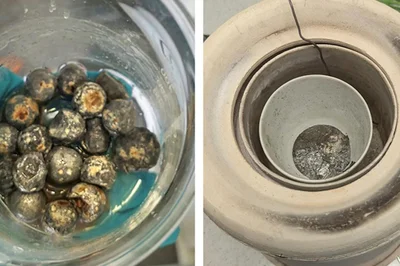 research →
Scientists at Germany’s Jülich Research Centre have turned nearly 300-year-old lead bullets into a vital ingredient for cutting-edge perovskite solar panels. This breakthrough transforms toxic, centuries-old waste into high-purity lead iodide, boosting solar panel efficiency to a competitive 21%. With perovskite tech already leading in cost and energy gains, this recycling feat could reshape sustainable energy production. Next up: scaling this eco-friendly method to meet growing solar demands worldwide.
-
Synthetic Cells Leap Toward Life’s Secrets
 research →
A breakthrough from University of Santiago's CiQUS team has unveiled a more flexible chemical method to build synthetic cells that mimic real cellular functions. This advance could revolutionize synthetic biology by enabling better models to understand life’s processes and spark innovations in medicine and technology. As researchers refine these artificial cells, the door opens wider to breakthroughs in drug development and bioengineering. The next steps will focus on scaling and integrating these systems into practical applications.
-
Lasers Stitch Life-Saving Polymer Patterns
 research →
A team at the University of Pittsburgh's Swanson School of Engineering has pioneered a laser technique that precisely patterns polymers by revealing where laser-induced graphene forms. This breakthrough could revolutionize flexible sensing technologies critical for health and safety. By controlling laser patterning at the microscopic level, engineers can now craft intricate, adaptable sensors that were previously impossible. The next step is scaling this method for real-world medical and environmental applications.
-
Blood-Catalyzed Polymers Enable Brain Control
 research →
Scientists have pioneered a breakthrough method to build polymers directly inside the brain using blood-catalyzed chemistry, opening new frontiers for on-demand neural control. This innovation promises to revolutionize treatments for neurological disorders by seamlessly integrating synthetic materials with brain function. With roots in sci-fi dreams like Frankenstein, this real-world advance could soon transform how we manage diseases like Parkinson’s or epilepsy. Next steps include refining safety and precision before clinical trials begin.
-
One-Time Gene Therapy Slashes Cholesterol
 research →
At 29, Christos Soteriou faced a quadruple bypass due to dangerously clogged arteries from familial hypercholesterolemia, a genetic cholesterol disorder. Traditional drugs like statins and Repatha failed him, but a groundbreaking one-time gene therapy trial offered new hope. This treatment tweaks genes to dramatically lower cholesterol, potentially rewriting the future for millions with inherited heart risks. Experts are watching closely as this could revolutionize cardiovascular care worldwide.
Space & Exploration 11
-
Artemis II Shatters Moon Distance Records
 research →
NASA’s Artemis II mission has blasted past Cold War-era spaceflight distance records, sending four astronauts farther from Earth than anyone since Apollo. For six hours, the crew orbited the moon’s mysterious far side, witnessing meteor impact flashes and sharing live scientific observations with Earth. This historic flyby not only reignites lunar exploration but sets the stage for future moon landings and deep space missions. Next up: preparing Artemis III to touch down on the lunar surface once again.
-
Russia Builds Mini Nuclear Reactor for Moon
 research →
Roscosmos, Rosatom, and the Kurchatov Institute are teaming up to develop a compact nuclear reactor designed to power lunar bases. The prototype, named Selena, aims to be ready by 2032 and will deliver at least 5 kW of power for a decade, a game-changer for sustained Moon exploration. While not all technical hurdles are cleared, this marks a bold step toward Russia’s lunar ambitions. The coming years will reveal if Selena can truly light up the Moon’s surface.
-
NASA’s Artemis II Ignites Lunar Supply Chain
 research →
NASA’s Artemis II mission is not just a giant leap for space exploration but a massive boost for industry, rallying over 2,700 suppliers across the globe. With stalwarts like Lockheed Martin, Boeing, and Northrop Grumman leading the charge alongside innovators such as SpaceX and Blue Origin, this mission revives America’s lunar ambitions with unprecedented industrial muscle. This sprawling network underpins NASA’s vision to establish a sustainable human presence on the Moon and eventually Mars. As Artemis II pushes the boundaries of human space travel, the world watches a new era of space commerce and exploration unfold.
-
Roscosmos, NASA Set Summer Space Talks
 research →
Roscosmos CEO Dmitry Bakanov announced plans to meet NASA Administrator Jared Isaacman in person this summer to discuss the future of their space cooperation. Despite geopolitical tensions, manned spaceflights remain a rare area of collaboration, with the International Space Station relying heavily on Russian involvement. This meeting signals a pragmatic approach to maintaining vital joint space operations. The space community eagerly awaits details on how this partnership might evolve amid new challenges and ambitions.
-
James Webb Unveils Baffling 'Forbidden' Exoplanet
 research →
The James Webb Space Telescope has revealed a puzzling giant exoplanet, TOI-5205 b, with an atmosphere that defies expectations. Unlike typical giant planets, it has fewer heavy elements than its small host star, challenging current planet formation theories. This discovery, led by Caleb Cañas and his team at NASA Goddard, opens new questions about how massive planets form around tiny stars. Researchers are now eager to probe more such 'forbidden' worlds to rewrite cosmic origin stories.
-
Astronaut Captures Moon on iPhone
 research →
Commander Reid Wiseman stunned the world by snapping a jaw-dropping photo of the lunar surface using an iPhone 17 Pro Max during the historic Artemis II flyby. This marks the first time NASA astronauts have officially used the latest smartphones in space, blending cutting-edge tech with human exploration. The image not only dazzles but also hints at a new era of accessible space photography. Fans and experts alike are eager to see what other cosmic moments the crew will capture next.
-
Artemis II Shatters Human Spaceflight Record
 research →
NASA’s Artemis II mission has blasted past a 56-year-old milestone, traveling 252,760 miles from Earth—the farthest any humans have ever ventured into space. Astronauts Reid Wiseman, Victor Glover, Christina Koch, and Jeremy Hansen orbited the Moon, capturing stunning images and reigniting excitement for lunar exploration. This historic journey not only honors Apollo 13’s legacy but also sets the stage for future deep space missions. Next up: Artemis III aims to land astronauts back on the Moon’s surface.
-
Artemis II Astronauts Enter Moon’s Grip
 research →
NASA’s Artemis II mission has hit a major milestone as the Orion spacecraft crossed into the Moon’s gravitational sphere, marking the first human journey this close since 1972. This means the crew is now under the Moon’s pull, gearing up for a historic lunar flyby that pushes humanity farther into deep space than ever before. With the uncrewed lunar demo and Starship’s in-flight refueling test still on the horizon, Artemis II is setting the stage for a bold new era of exploration.
-
Artemis 2 Astronauts Revel in Moon’s Stunning Up-Close View
 research →
NASA’s Artemis 2 crew has just treated the world to a breathtaking glimpse of the moon like never before. Astronauts Christina Koch, Reid Wiseman, Victor Glover, and Jeremy Hansen are the first in over five decades to orbit our lunar neighbor, describing the view as ‘phenomenal’ and ‘absolutely unbelievable.’ Their close-up observations are rewriting what we thought we knew about the moon’s surface and setting the stage for future missions that could finally unlock its deepest mysteries.
-
Russia’s Orbital Station to Run Unmanned
 research →
Russia is gearing up to launch its own orbital station, the Russian Orbital Station (ROS), which will initially operate without a crew. Set for deployment in 2028, ROS aims to replace Russia’s role on the International Space Station after its retirement. This move not only secures Russia’s independent foothold in space but also opens doors for over 10 countries eager to send their astronauts via Russian technology. With the station sharing the same orbit as the ISS, the space race is entering a new era of collaboration and competition.
-
SpaceX Halts Falcon 9 Launch Last Minute
 research →
SpaceX called off the Falcon 9 rocket launch just seconds before liftoff due to strong upper-atmosphere winds, despite the rocket and new booster B1103 being fully ready. The mission, set to deploy a fresh batch of Starlink satellites, is now rescheduled for later the same day, April 6, 2026. This delay underscores the challenges of space weather but won’t slow down SpaceX’s rapid launch cadence. All eyes are now on the next attempt and the booster’s planned landing on the drone ship Of Course I Still Love You.
Health & Medicine 13
-
Kerala Health Debate Heats Up Ahead of Polls
research →
As Kerala gears up for the 2026 Assembly elections, the health sector has become the battleground for political giants. Chief Minister Pinarayi Vijayan and the Left Democratic Front tout a decade of unprecedented health achievements, while the Opposition exposes hidden cracks, spotlighting Kerala’s staggering 59.1% out-of-pocket health expenses—the highest in India. With public trust on the line, the health debate could tip the scales in this fiercely contested race. Expect more fiery exchanges as parties vie to prove who truly champions Kerala’s health future.
-
One Health Gains Momentum Worldwide
 research →
The One Health approach, linking human, animal, and environmental health, is stepping out of the shadows and into the spotlight. Sparked by lessons from pandemics like COVID-19 and dramatized decades ago in the film Outbreak, this concept is now central to global health discussions, including the recent One Health Summit in Lyon. With urban centers playing a pivotal role, experts urge faster, local action to turn this holistic vision into reality. The coming years will test if nations can finally unite science and policy to prevent the next crisis.
-
AI Set to Revolutionize Radiation Oncology
 research →
Large Language Models (LLMs) are rapidly transforming radiation oncology by automating complex workflows and enhancing clinical decision-making. According to a new review by arXiv published on April 7, 2026, these AI tools streamline everything from treatment planning to patient safety analysis, promising faster, safer care. This shift could ease the documentation burden on clinicians and improve patient engagement, signaling a future where AI is deeply integrated into cancer treatment. Experts now watch closely as regulatory frameworks evolve to keep pace with these breakthroughs.
-
Julia Bradbury’s Bold Battle Against Breast Cancer
 research →
Julia Bradbury, the beloved Countryfile presenter, has opened up about her fierce fight against breast cancer after a shocking diagnosis at 51. Faced with a six-centimeter tumor, she underwent a mastectomy and radically transformed her lifestyle, ditching meat and sugar to boost her recovery. Now 55, Bradbury credits her strict health habits for helping her stay strong and determined to live life to the fullest. Her story is a powerful reminder of resilience and the life-changing impact of early detection and lifestyle choices. Fans eagerly await her next steps and advocacy for cancer awareness.
-
AI Revolutionizes Heart Disease Diagnosis
 research →
BAAI Cardiac Agent is transforming cardiovascular care by automating complex cardiac MRI analysis with stunning accuracy. Tested on over 2400 patients, this AI system matches expert-level diagnosis across seven major heart conditions, promising faster, more reliable results. This breakthrough could drastically reduce diagnostic delays and improve patient outcomes worldwide. Next, clinical adoption and integration into hospital workflows will be critical to unlock its full potential.
-
Spain Faces First Nitazene Opioid Death
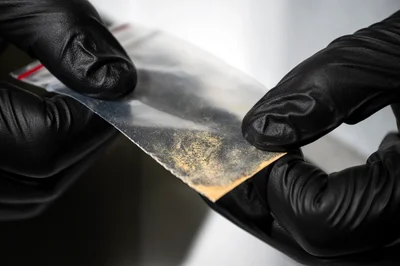 research →
A 21-year-old student in Navarra has become Spain’s first fatality linked to nitazenes, a synthetic opioid up to 40 times stronger than fentanyl. Experts warn that the margin between a dose that produces the desired effect and a lethal one is razor-thin, making nitazene use a deadly gamble. The death occurred in August 2024 but was only recently disclosed, raising urgent alarms about this emerging drug threat. Authorities and medical teams are now racing to understand and combat the growing nitazene risk.
-
Tuberculosis Exposes India’s Urban Health Crisis
 research →
On World Health Day, tuberculosis (TB) shines a harsh light on India’s urban health systems, revealing cracks beneath the surface of bustling cities. With nearly 35% of Indians now urban dwellers, crowded living conditions, poor ventilation, and fragile healthcare infrastructure fuel the spread of TB among millions of migrants and workers. This isn’t just a disease story—it’s a mirror reflecting deep social and systemic failures. Addressing TB means rethinking how cities protect their most vulnerable as urbanization accelerates.
-
Bangladesh Races to Halt Deadly Measles Surge
 research →
Bangladesh is scrambling to contain a deadly measles outbreak that has claimed over 100 children's lives in under a month. The government, backed by WHO, UNICEF, and Gavi, launched emergency vaccinations targeting children aged 6 months to 5 years in 18 high-risk districts, with plans to expand nationwide soon. UNICEF warns that immunity gaps, especially among unvaccinated infants, are fueling the crisis. The coming weeks will be critical as health officials push to curb the spread and save thousands more young lives.
-
Auckland Boil Water Alert Persists After E. coli Scare
 research →
Thousands of Auckland residents in Hillsborough, Mt Roskill, Royal Oak, and Three Kings remain under a boil water notice after traces of E. coli were detected in routine testing. Watercare has since replaced a faulty sample tap and all new tests show no contamination, suggesting a false alarm. The notice affects about 7,500 households and businesses, with water tankers available around the clock. Officials promise an update soon, hoping to lift restrictions if the next samples come back clean.
-
US Faces Science Cuts Amid Innovation Push
 research →
The US government is at a crossroads as the Trump administration's 2027 budget proposal slashes funding for health and science agencies, including deep cuts to NIH and NASA. This comes despite calls from experts for a unified, mission-driven health innovation strategy leveraging AI and big data to tackle chronic diseases and improve care. The proposed 12% cut to the Department of Health and Human Services threatens to stall progress just as technology offers new hope. Congress now holds the power to either protect or reshape America's scientific future.
-
Deputy Exposed to Airborne Fentanyl in Wisconsin
 research →
A Wisconsin sheriff's deputy fell ill after powdered fentanyl and cocaine became airborne and hit her in the face while processing an illegal immigrant suspect's belongings. The suspect, Jose Fredy Rodriguez Acuna, 25, was arrested during a traffic stop and was being booked when the incident occurred. This alarming exposure highlights the dangers law enforcement face amid the opioid crisis. Authorities are investigating the incident as they continue to handle the growing threat of fentanyl contamination.
-
FDA Delays Slam Biotech Breakthroughs
 research →
In a frustrating blow to innovation, Kezar Life Sciences saw its critical FDA meeting canceled last October without explanation, delaying a promising trial for autoimmune hepatitis by four months. This regulatory hiccup has thrown the biotech’s future into uncertainty, highlighting the broader challenges small companies face navigating FDA’s opaque processes. As drug costs soar and patients wait, the FDA’s stance on foreign drug imports remains murky, adding to industry woes. The coming months will test whether regulators can balance safety with the urgent need for new treatments.
-
Researchers Back Safe OTC Abortion Kits
 research →
Imagine grabbing a medication abortion kit right off a pharmacy shelf—no prescription, no clinic visit. That future could be closer than you think, according to a new study in JAMA Internal Medicine led by Dr. Daniel Grossman and his team. Their research suggests over-the-counter medication abortions would be safe, potentially transforming access for millions. As telehealth abortion demand surges, especially among young adults, this could reshape reproductive healthcare nationwide.
Crime & Justice 9
-
Child Sex Trafficking Explodes on Meta Platforms
 research →
A groundbreaking investigation by The Guardian has revealed a surge in child sex trafficking on Facebook and Instagram, exposing how predators exploited private spaces like Messenger during the pandemic. This exposé led to Meta losing a multimillion-pound court case, spotlighting the dark underbelly of social media. With trafficking thriving in hidden corners, experts warn urgent reforms are needed to protect vulnerable children online. The fight to hold tech giants accountable is just beginning.
-
Atong Ang Flees to Vietnam Amid Arrest Hunt
 research →
Atong Ang, the gambling tycoon linked to the disappearance of over 30 cockfighting fans, reportedly fled to Vietnam two weeks before Philippine courts issued arrest warrants. Interior Secretary Jonvic Remulla revealed ongoing diplomatic efforts to verify Ang’s presence through immigration records. Ang allegedly escaped via a backdoor route through Mindanao to Malaysia before heading to Vietnam. This manhunt highlights the escalating crackdown on illegal gambling and related crimes. Authorities are intensifying cross-border cooperation to bring Ang to justice.
-
Rosedale Fights Back Against Break-Ins
 research →
Toronto’s upscale Rosedale neighborhood is on high alert after a surge of violent break-ins. Residents, fed up with feeling vulnerable, have pooled resources to hire private security patrols and beef up home defenses with alarms and hammer-proof glass. The community’s swift action highlights a growing trend of organized crime targeting even the wealthiest areas. With police stretched thin, locals are demanding stronger government support to reclaim their streets.
-
Alyssa Bradburn Sentenced to 28 Years
 research →
Alyssa Bradburn, 33, was sentenced to nearly three decades in prison for the cold-blooded 2024 murder of her father, Timothy Bradburn, in Spokane County. The chilling case revealed weeks of planning, with prosecutors noting Alyssa’s unsettling courtroom demeanor, including moments where she smiled during testimony. Despite her claims of “enjoying” the trial, the jury found her guilty of first-degree murder with a firearm enhancement. This verdict closes a dark chapter but leaves lingering questions about her motives and future appeals.
-
Epstein’s Plea Deal: New Shocking Details
 research →
Newly released DOJ files reveal that Jeffrey Epstein’s 2008 plea deal was far more lenient than previously known, allowing him to leave jail for up to 16 hours a day under a work release program. Epstein served less than four months behind bars before transitioning to house arrest, despite dozens of accusers ready to testify on serious federal charges. This revelation deepens outrage over the so-called 'sweetheart deal' and raises fresh questions about justice for victims. Meanwhile, Commerce Secretary Howard Lutnick is set for a House Oversight interview about his ties to Epstein, signaling ongoing investigations.
-
Mistrial Hits 1986 Murder Case Over Body Bag Scandal
 research →
A shocking revelation has rocked the 1986 murder trial of Kathleen Flynn, an 11-year-old girl raped and killed in Connecticut. Prosecutors disclosed that Flynn was reportedly placed in a used body bag, raising serious concerns about evidence contamination. This led to a mistrial for defendant Marc Karun, who has been on trial since his 2019 arrest. The case’s restart now hinges on clarifying this disturbing mishandling, spotlighting the fragile nature of cold case justice.
-
Kano Police Reunite Teen After 13 Years
 research →
In a heartwarming breakthrough, Kano State Police have reunited 16-year-old Yusuf Sabiu with his family after he was missing for nearly 13 years. Initially found in Doguwa LGA claiming to be a Spanish national named Alex Ansol, thorough investigations revealed his true identity and traced his parents across Kaduna and Plateau states. The long family separation was linked to his parents’ split over a decade ago. Authorities hope this reunion marks a fresh start for Yusuf and his family.
-
Texas Man Gets 50 Years for Double Murder
 research →
Lazerith Carrillo, 22, was sentenced to two concurrent 50-year terms for the 2023 killings of his ex-girlfriend Alyssa Perez and her friend Edward Acosta Jimenez in Texas. Originally facing capital murder charges, Carrillo accepted a plea deal that reduced his sentence but still allows parole eligibility after 25 years, sparking outrage from the victims’ families. This case highlights the tension between plea bargains and justice for violent crimes. The community now waits to see how parole decisions will unfold decades from now.
-
Man Charged for Slapping Toddler Outside Preschool
 research →
A 36-year-old man is facing charges after allegedly slapping a four-year-old boy outside a Woodlands preschool in Singapore on March 6. The boy suffered injuries to his cheek, prompting police action following a report from KK Women’s and Children’s Hospital. The man, reportedly the father of one of the boy’s classmates, was arrested the same day and will be charged with causing hurt and using criminal force with enhanced penalties for offenses against children. This case highlights growing concerns over child safety in public spaces, with the court hearing set for April 7.
Cybersecurity & Privacy 15
-
AI Fuels $24M Scam Surge in Western Australia
 research →
Western Australia saw 773 victims lose a staggering $24 million to scams in 2025, with AI-powered fraudsters becoming more convincing than ever. Leah Lewis, a Perth mother of six, thought she dodged a scam—until her ‘bank’ called, revealing the deception. Commerce Minister Tony Buti warns that while scam numbers dipped, AI’s sophistication is making fraud harder to spot. The fight is shifting from simple takedowns to multi-channel campaign suppression as scammers evolve.
-
Solo Devs Harness Zero Trust Security
 research →
Zero Trust security isn’t just for tech giants anymore. A new wave of solo developers is proving you don’t need a massive team or budget to lock down your digital empire. Despite myths that Zero Trust demands complex enterprise setups, individual coders working from home are adopting these robust defenses to protect their microservices and cloud deployments. This shift could redefine cybersecurity norms for independent creators and small teams alike. Expect more tools tailored to empower solo developers in the coming months.
-
India’s Internet Blocks Vary by ISP
 research →
In India, your internet experience depends heavily on which ISP you pick, as government-mandated website blocks are enforced unevenly across providers. Under Sections 69A and 79 of the Information Technology Act, ISPs must comply with blocking orders, but the actual sites blocked differ widely, sometimes catching users off guard—as seen recently with Supabase. This patchwork censorship means access to information is inconsistent nationwide, raising questions about transparency and digital rights. With no uniform policy, users and advocates are pushing for clearer rules and accountability.
-
AI Revolutionizes Cybersecurity and Compliance
research →
AI is reshaping cybersecurity, especially in payment security where PCI DSS compliance has been a heavy lift for businesses. As cyberattacks grow smarter and faster, traditional defenses falter, but AI steps in with unmatched speed and precision to detect threats and streamline compliance. This shift not only slashes breach detection times but also helps companies avoid costly fines and reputational damage. The race is on to harness AI’s power before attackers do — expect even more advanced AI tools soon.
-
Spyware Maker Bryan Fleming Skirts Jail
 research →
In a landmark case, Bryan Fleming, the first spyware maker convicted in over a decade, dodged jail time after pleading guilty to federal charges tied to his surveillance firm, pcTattletale. Sentenced in San Diego, Fleming received time served and a $5,000 fine, marking a rare victory for U.S. prosecutors targeting illegal spyware operations. This case could pave the way for cracking down on other cyber-surveillance criminals. The tech world now watches closely to see if this signals a new era of accountability.
-
Iran Targets OpenAI’s $30B AI Hub
 research →
Iran’s Islamic Revolutionary Guard Corps has escalated tensions by threatening to obliterate OpenAI’s $30 billion Stargate AI data center in Abu Dhabi. This marks a sharp turn as Iran singles out a specific facility amid ongoing US-Israeli strikes in the region. The threat highlights the growing vulnerability of AI infrastructure in geopolitical conflicts, with major tech giants caught in the crossfire. As drone attacks continue, the future of global AI operations in the Gulf hangs in the balance.
-
FBI Flags Risks in Popular Foreign Apps
 research →
The FBI has issued a stark warning about popular foreign apps like CapCut, Shein, Temu, and Lemon8, highlighting the risks of data collection by Chinese companies under national intelligence laws. These apps, widely downloaded in the U.S., may harvest extensive personal data—even when not actively used—raising privacy alarms. The bureau urges users to watch for signs like unusual battery drain or data spikes. With digital privacy on the line, this alert could reshape how Americans choose their apps.
-
New Mexico Orders Meta to Weaken Encryption
 research →
In a landmark ruling, New Mexico’s court has targeted Meta for enabling end-to-end encryption on Facebook Messenger, arguing it shields predators and obstructs law enforcement. This decision forces Meta to potentially weaken encryption, sparking fears over user privacy and digital security worldwide. Experts warn this could set a dangerous precedent, undermining protections against cybercrime and surveillance alike. The tech world now watches closely as this case could reshape encryption standards everywhere.
-
Quantum Threat Looms Over Your Data
 research →
Encrypted data theft is quietly escalating under the radar, as intelligence agencies worldwide engage in a chilling strategy known as “Harvest Now, Decrypt Later.” They’re stealing encrypted information today—bank details, medical records, emails—and storing it until quantum computers can crack the codes. This looming quantum threat means your data’s security has an expiry date, and the clock is ticking. Experts warn it’s time to rethink encryption strategies before the quantum era breaks the locks.
-
Iran-Linked Hackers Target 300+ Israeli Firms
 research →
A cyber campaign linked to Iran has launched aggressive password-spraying attacks against over 300 Israeli Microsoft 365 organizations and more than 25 in the UAE, amid escalating Middle East tensions. The attacks, spread across three waves in March 2026, aim to breach cloud environments of governments, tech, energy, and transport sectors. This surge highlights the growing cyber front in regional conflicts, with spillover attempts in Europe, the US, and Saudi Arabia. Security experts warn vigilance as the campaign remains active and evolving.
-
Apple Revamps iPhone Messaging Security
 research →
Apple just dropped the iOS 26.5 public beta, introducing a game-changing security upgrade: end-to-end encrypted RCS messaging for iPhones. This move finally addresses a long-standing vulnerability flagged by the FBI, closing the gap between iMessage and Android’s Google Messages. With hundreds of millions of users waiting, this update could redefine cross-platform texting privacy. The full rollout is expected soon, promising safer chats for all.
-
Axios Supply Chain Hack and Fortinet Zero-Day Exploited
 research →
Axios, a JavaScript staple with over 100 million weekly downloads, was poisoned on March 31, 2026, with a hidden dependency unleashing a Remote Access Trojan on developer machines. This supply chain attack exploited the trusted npm install process, putting countless projects at risk. Meanwhile, Fortinet scrambled to patch a critical zero-day in FortiClient EMS that’s been actively exploited since late March, threatening enterprise security worldwide. With these breaches shaking the foundations of software trust, developers and IT teams must urgently audit dependencies and apply emergency patches to stay safe.
-
Critical ShareFile Flaws Enable Pre-Auth Hacks
 research →
Progress ShareFile has been rocked by two severe pre-authentication Remote Code Execution vulnerabilities, CVE-2026-2699 and CVE-2026-2701, that let attackers run malicious code without logging in. This digital vault’s backdoor threatens sensitive enterprise data worldwide, exposing a major design flaw and poor input validation. With cybercriminals racing to weaponize these bugs, urgent patching is the only defense. The coming weeks will reveal how quickly organizations can lock down their systems before widespread exploitation hits.
-
Florida Wildlife Police Fuel ICE Surveillance
 research →
Florida’s Fish and Wildlife Conservation Commission is conducting dozens of license plate searches on Flock’s AI-powered cameras for ICE, despite no direct contract. This surprising collaboration exposes a backdoor route for federal immigration enforcement to tap into local conservation resources, raising fresh privacy alarms. With ICE’s reach extending quietly through unexpected channels, public scrutiny and accountability are now more urgent than ever.
-
AI Deepfakes Hijack Crypto, Bank KYC
 research →
A cybercriminal named Jinkusu is selling a cutting-edge AI tool that uses deepfake face swaps and voice modulation to bypass KYC checks on banks and crypto platforms. This breakthrough in synthetic identity fraud exposes glaring vulnerabilities in current verification systems, warns Deddy Lavid, CEO of Cyvers. As AI lowers the barrier for fraudsters, experts urge finance platforms to adopt multi-layered security with real-time AI monitoring to stay ahead. The rise of such tools signals a dangerous new frontier in cybercrime that could shake trust in digital finance.
Energy & Climate 18
-
India’s Fast Breeder Reactor Sparks Nuclear Leap
 research →
India has hit a major milestone with its Prototype Fast Breeder Reactor (PFBR) at Kalpakkam achieving criticality, marking a defining moment in its civil nuclear journey. This reactor, the first of its kind to use plutonium-based fuel and liquid sodium coolant, can produce more fuel than it consumes, pushing India into the second stage of its ambitious three-stage nuclear program. Prime Minister Narendra Modi hailed it as a showcase of India’s scientific prowess and a step toward harnessing vast thorium reserves. The PFBR’s success signals a new era in sustainable nuclear energy for the country, with operationalization expected to accelerate soon.
-
South Africa Eases Power Crunch for Ferrochrome
 research →
South Africa has announced crucial electricity relief measures for its beleaguered ferrochrome industry, a lifeline for a sector vital to global stainless steel production. With power costs and shortages squeezing producers, this move aims to stabilize operations and protect thousands of jobs. The relief signals government recognition of the industry's strategic importance amid rising global demand. Industry watchers now await how this will reshape South Africa’s competitive edge in the metals market.
-
Revolutionary Low-Temp Methane Reforming Unveiled
research →
Scientists have engineered precise oxygen carriers that enable methane reforming at significantly lower temperatures, transforming methane into clean hydrogen more efficiently. This breakthrough tackles the environmental downsides of traditional high-heat methane reforming, promising greener hydrogen fuel production. With hydrogen poised as a key player in the energy transition, this advance could accelerate the shift to sustainable energy sources. Next steps include scaling the technology for industrial use and integrating it into existing energy infrastructures.
-
Finland Unveils Game-Changing Sand Battery
 research →
In Pornainen, Finland, Polar Night Energy is pioneering a revolutionary 'sand battery' that stores renewable energy as heat and converts it back into electricity. This new power-to-heat-to-power system operates at scorching temperatures above 752°F, promising a leap in energy storage efficiency. While the tech could transform grid reliability, high upfront costs may slow adoption. Engineers are now testing this horizontal design to see if it can power the future sustainably.
-
Poland Pushes Back on EU ETS Costs
 research →
In Poland, over half of those surveyed now support limiting the EU Emissions Trading System (EU ETS), even if it risks straining ties with the EU and complicating funding and trade for Polish firms. This sentiment reveals a growing perception of the EU ETS as merely a financial burden, detached from the broader benefits of EU membership and the single market. The debate has dangerously framed the choice as cheap energy versus Europe itself. How Poland navigates this tension could reshape its future role in the EU’s green transition.
-
Taiwan Boosts Coal Amid LNG Crisis
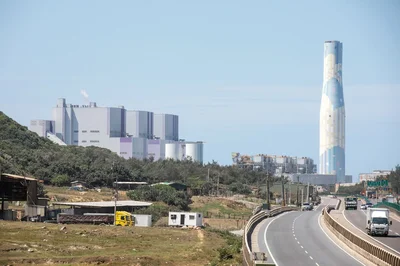 research →
Taiwan is ramping up coal-fired power generation to shore up its energy security after the Middle East war disrupted global LNG supplies. This pivot highlights the island’s urgent need to keep the lights on despite environmental concerns. With gas imports squeezed, Taiwan’s move underscores the broader energy scramble triggered by geopolitical turmoil. The next challenge will be balancing this short-term fix with long-term clean energy goals.
-
Xi Accelerates China’s Energy Overhaul Amid Crisis
research →
Chinese President Xi Jinping is pushing hard for a rapid shift to a new energy system to shield China from volatile global fuel markets shaken by the Middle East conflict. Highlighting hydropower and a cautious expansion of nuclear power, Xi signals a strategic pivot to domestic energy security over reliance on unstable imports. This move could reshape China’s energy landscape and influence global markets as tensions persist. The world will be watching how swiftly China can build this new energy backbone amid ongoing geopolitical uncertainty.
-
Hormuz Closure Splits Middle East Oil Fortunes
 research →
The Strait of Hormuz remains effectively closed after Iran’s retaliation to US and Israeli airstrikes, sending global oil prices soaring by 60% in March. This blockade has enriched Iran, Oman, and Saudi Arabia, who benefit from alternative routes, while other oil-dependent states are hemorrhaging billions. With President Trump threatening severe retaliation unless Iran reopens the passage by April 8, the energy market hangs in a precarious balance. The world watches closely as this geopolitical standoff threatens to reshape global energy flows and economic stability.
-
New Blueprint to Rescue Dying Oyster Reefs
 research →
A breakthrough study led by Dr. Juan Esquivel-Muelbert at Macquarie University has decoded the complex 3D architecture of oyster reefs, revealing how their intricate shapes boost oyster survival and reef growth. Published in Nature, this research offers a simple yet powerful design for artificial reefs that could revive oyster populations worldwide. Given oysters’ role as vital ecosystem engineers, this innovation could restore marine biodiversity and coastal protection. Next steps include field trials to test these designs on a global scale.
-
Iran War Sends Asia’s Energy Costs Soaring
 research →
The war ignited by US President Donald Trump against Iran on February 28 has thrown Asia’s energy market into turmoil, slashing the flow of Middle Eastern Liquefied Natural Gas (LNG) that powers much of the continent. With 90% of the region’s LNG imports disrupted, major economies like China, India, and Japan face rising costs and potential industrial slowdowns. The pain will hit the poorest hardest, and relief is unlikely before 2028 when US gas production might ease supply woes. This crisis is reshaping Asia’s energy future and could force a rethink of its reliance on Middle Eastern fuels.
-
Tourism Pollutes Sharks in Bahamas
 research →
A startling new study reveals that Caribbean reef sharks and other species in the Bahamas are ingesting cocaine, caffeine, and common painkillers due to contamination from tourist hotspots. Researchers tested 85 sharks, uncovering a cocktail of pharmaceuticals and illicit drugs in their systems, raising urgent questions about human impact on marine life. This pollution could threaten shark health and disrupt delicate ecosystems, pushing scientists to call for stricter environmental protections. The Bahamas now faces the challenge of balancing tourism with preserving its underwater treasures.
-
Pakistan’s Power Crisis Sparks Solar Surge
 research →
Electricity prices in Pakistan have skyrocketed by 155% over three years, pushing many households to pay more for power than rent. The Competition Commission of Pakistan’s new report reveals deep structural flaws in the power sector that stifle competition and investment. Despite these challenges, Pakistan has rapidly become a top solar market with 35 gigawatts installed capacity, signaling a shift toward renewable energy. Yet, millions still lack electricity access, highlighting urgent reforms ahead.
-
Slash Your Energy Bills with Simple Hacks
 research →
With energy prices soaring amid Middle East conflicts, households face steep power bill hikes—UK bills could jump by £300 this summer. But experts like Alexis Abramson reveal a sneaky culprit: 'phantom energy' from devices left plugged in, which can waste up to 10% of home electricity. By unplugging or using smart power strips, families can cut costs without sacrificing comfort. Next up: tune your AC and keep it in shape to save even more as temperatures climb.
-
France Faces Decades-Long Climate Delay
 research →
France’s local governments are lagging behind in the race to cut carbon emissions, with the Haut conseil pour le climat (HCC) warning of “decades of delay” in decarbonization efforts. The report highlights that without massive investments—especially in electrifying transport—territories risk missing critical climate targets. This setback threatens France’s broader climate goals and puts pressure on local authorities to accelerate action immediately.
-
Singapore Pushes Renewables Amid Oil Risks
 research →
Singapore’s Ambassador for Climate Action, Ravi Menon, spotlighted the urgent need to boost energy efficiency and renewables as a shield against volatile oil and gas markets. Speaking on April 6, he warned that geopolitical tensions, like the Middle East conflict blocking the Strait of Hormuz, expose Singapore’s vulnerability to energy shocks. Menon stressed that while short-term fixes like diversifying oil sources help, only a green energy shift offers lasting security. With parliament set to debate the crisis’s fallout, Singapore is doubling down on sustainable energy to safeguard its future.
-
UNDP Pumps $550M into Ukraine’s Energy Revival
 research →
The United Nations Development Program (UNDP) has injected over $550 million into Ukraine’s energy sector since 2022, boosting reliable electricity access for more than 6.6 million Ukrainians in 2025 alone. Spearheaded by regional director Ivana Zivkovic, these efforts, funded by countries like Norway, Japan, and the EU, have reached key cities from Kyiv to Lviv. With winter looming, UNDP is gearing up to tackle even tougher energy challenges ahead. This massive investment signals a lifeline for Ukraine’s battered infrastructure amid ongoing conflict.
-
Utah Grants Fossil Fuel Firms Legal Immunity
 research →
Utah has passed a groundbreaking law that makes it nearly impossible to sue fossil fuel companies for climate damage, a move critics say prioritizes corporate profits over community welfare. Signed by Governor Spencer Cox, the legislation shields companies from civil and criminal liability unless they violate specific greenhouse gas limits or permits. This legal fortress could set a precedent as four other red states eye similar laws, potentially reshaping climate accountability nationwide. The battle over fossil fuel liability is heating up, with federal immunity legislation reportedly on the horizon.
-
US Energy Booms Despite Middle East Crisis
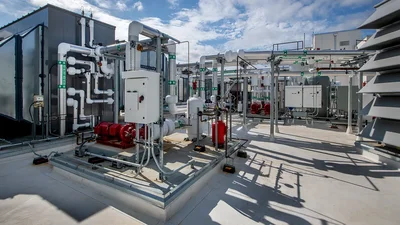 research →
Despite escalating tensions in Iran and threats of conflict, US Energy Secretary Doug Burgum remains bullish on America's energy future. The surge in demand from AI, data centers, and extreme weather is pushing the US to innovate, turning offices into power hubs to stabilize the grid. With nearly 680 new data centers planned, the US aims to outpace China in the energy race. This resilience could redefine global power dynamics as Washington refocuses energy policy on meeting soaring demand.
Automotive & Transport 16
-
EU Tightens Nitrogen Oxide Limits, Cities Brace
 research →
The EU is set to enforce stricter nitrogen oxide limits by 2030, and Hessian cities are already feeling the heat. Last spring’s dry, sunny weather pushed pollution levels dangerously high, with measurements surpassing future standards at nearly all monitoring stations. This raises alarms for urban air quality and public health, signaling tough regulatory battles ahead. Authorities and residents alike are now watching closely as these new rules approach.
-
São Paulo Unveils BYD’s SkyRail Line 17-Gold
 research →
São Paulo just launched the 6.7-kilometre Line 17-Gold monorail, connecting the southern zone to Congonhas Airport and linking key metro lines. This R$5.8 billion project marks BYD’s first urban rail venture outside China, cementing its dual role as Brazil’s EV giant and transit innovator. With BYD dominating Brazil’s electric vehicle market, this infrastructure leap could reshape urban mobility—though the company faces scrutiny over past labor abuses. Next up: how BYD balances growth with reputational challenges amid Brazil’s evolving transit landscape.
-
Bavaria’s Public Transit Halts Amid Strikes
 research →
This week, Bavaria’s public transport grinds to a halt as the union Verdi escalates its warning strikes across key cities. Augsburg’s trams and buses stopped running early Tuesday, with passengers urged to seek alternatives like AVV buses or regional trains. On Wednesday, Nuremberg and Landshut face full-day shutdowns of subways, trams, and buses, disrupting daily commutes and even the popular Nuremberg Volksfest. The strikes spotlight ongoing tensions in tariff negotiations, leaving riders bracing for more chaos ahead.
-
UK E-Bike Fires Soar Amid Black Market Boom
 research →
E-bike and e-scooter fires in the UK exploded to record highs in 2025, with 432 e-bike and 147 e-scooter blazes reported—a staggering 38% and 20% increase respectively. London led the surge, accounting for nearly half of all incidents, spotlighting the dangers of cheap, unregulated batteries sold online. Experts warn these cut-price products, often bought through black market channels, pose serious fire risks. Authorities are now scrambling to tighten safety controls and warn riders to steer clear of dodgy gear.
-
Jet Fuel Crunch Grounds European Flights
 research →
Europe’s skies are tightening as jet fuel rationing hits four major Italian airports amid the ongoing Iran conflict. Airlines like Ryanair and Volotea are already slashing flights, signaling a summer travel crunch just as demand was set to soar. The fuel squeeze, triggered by the Strait of Hormuz blockade, threatens to reshape air travel across the continent. With emergency flights prioritized, the industry braces for a turbulent next weeks.
-
Chaevi Transforms EV Charging into Lifestyle Experience
 research →
Chaevi is revolutionizing electric vehicle charging in Korea with its SuperSonic service that juices EV batteries from zero to full in under an hour. But the real draw isn’t just speed—it’s the vibe. Their sleek Chaevi Stay stations double as cozy dining spots serving affordable, comforting meals like gukbap and curry pork cutlet, attracting not only EV drivers but food lovers too. With nearly 6,000 chargers nationwide, Chaevi is turning charging stops into social hubs, signaling a fresh cultural shift in how we power up. Expect more locations and innovations as EV adoption surges.
-
Europe’s Auto Market Slumps Amid Fuel Crisis
 research →
Europe’s car market is hitting a rough patch as soaring diesel and petrol prices, driven by the Middle East war, slam the brakes on new car sales. Ferdinand Dudenhöffer, head of Germany’s Center Automotive Research, warns the slump could drag on for at least six more months, with uncertainty choking buyer confidence. This deepening crisis signals trouble not just for automakers but for the wider economy, as consumers tighten their belts. Industry watchers will be watching closely to see if fuel prices stabilize or if the market slide worsens.
-
Calls Mount to Fix Deadly Sea to Sky Highway
 research →
The Sea to Sky Highway between Vancouver and Whistler saw a staggering 167 crashes in 2024, averaging one every two days, with about half causing injuries or fatalities, according to ICBC. Local leaders like Squamish Mayor Armand Hurford are pushing for urgent safety upgrades, including center medians and concrete barriers, to prevent further tragedies. With traffic closures and accidents disrupting the vital route, the pressure is mounting on the B.C. government to modernize this scenic but perilous stretch. The coming months will reveal if these calls translate into concrete action to save lives.
-
Rio Bans E-Bikes on Fast Roads After Tragedy
 research →
The Rio de Janeiro city government has banned electric bikes from roads with speed limits above 60 km/h following a fatal crash that killed Emanoelle Martins Guedes de Farias and her son Francisco Farias Antunes. The new decree also mandates protective gear and steps up education and enforcement efforts. This move aims to curb rising accidents involving e-bikes in busy urban areas. Authorities plan to monitor the impact closely and may expand restrictions if needed.
-
Chinese EV Battery Could Double Your Range
 research →
Chinese scientists from Shanghai Academy of Spaceflight Technology and Nankai University have developed a breakthrough liquid electrolyte that could double electric vehicle range to over 620 miles on a single charge. This leap challenges the solid-state battery hype by pushing lithium battery limits with improved liquids. With gas prices soaring past $4 per gallon in the US, this innovation could accelerate EV adoption and ease range anxiety. The next step is scaling this tech for commercial EVs worldwide.
-
Robotaxi Remote Ops: Secrets Unveiled
 research →
Robotaxi companies like Waymo and Tesla are under fire for hiding how often their remote operators step in to control driverless cars. Senator Ed Markey’s probe reveals that these remote assistants, some based as far as the Philippines, occasionally make critical errors—like a recent incident in Austin where a Waymo car ignored a school bus stop sign. This lack of transparency raises serious safety questions just as robotaxis inch closer to city streets. The public and regulators are now demanding clearer answers on who’s really behind the wheel.
-
South Africa Sees Easter Road Deaths Plunge
 research →
South Africa has recorded a sharp drop in road fatalities this Easter, bucking a grim trend seen in other parts of the world. Thanks to intensified safety campaigns and stricter enforcement, fewer lives were lost on the roads during the holiday period. This decline is a hopeful sign amid rising global traffic dangers, especially involving motorcycles. Authorities plan to build on this momentum with ongoing awareness drives and tighter controls.
-
US Cities Launch Pothole War After Harsh Winter
 research →
After a punishing winter storm battered the East Coast and Midwest, cities like Baltimore are scrambling to fix tens of thousands of potholes left behind. Baltimore Mayor Brandon Scott is leading the charge, aiming to fill 25,000 potholes in 90 days and revamping the city's road repair system with new data tools. This pothole blitz is crucial to prevent accidents and keep traffic flowing smoothly as spring arrives. Expect more cities to follow suit as the damage from 'ice-mageddon' becomes clear nationwide.
-
Mumbai Unveils Game-Changing Metro and Pod Taxi
research →
Mumbai has launched the first phase of its Metro Line 2B, a major leap for East-West connectivity in the city. Alongside, the city is rolling out innovative pod taxi projects aimed at revolutionizing urban transport. These developments promise to ease daily commutes and reduce congestion dramatically. With construction underway, Mumbai is setting a new benchmark for smart city infrastructure in India.
-
3,000+ Drivers Nabbed Speeding Over Easter
 research →
Over the Easter Bank Holiday weekend, more than 3,000 drivers were caught speeding across Ireland, with some clocked at nearly triple the speed limit, including a shocking 138 km/h in a 50 km/h zone in Tipperary. Gardaí also arrested 138 people for DUI and cracked down on mobile phone use and seatbelt violations. Tragically, one person died in a collision during the operation, bringing this year's road fatalities to 43. Authorities are urging drivers to slow down and watch out for vulnerable road users as enforcement ramps up.
-
US Shuts Tesla Remote Drive Probe
 research →
The U.S. National Highway Traffic Safety Administration has officially closed its investigation into Tesla's 'Actually Smart Summon' remote driving feature after reviewing nearly 2.6 million vehicles. The probe, sparked by about 100 low-speed crashes mostly causing minor property damage, found no injuries or serious accidents linked to the software. This closure signals confidence in Tesla's recent updates and the safety of remote vehicle movement in parking scenarios. Tesla owners can now use the feature with less regulatory concern, though vigilance remains key.
Sports 16
-
Chalmers Eyes Olympic Relay Gold Glory
 research →
Kyle Chalmers blitzed to victory in the 100m freestyle at the Australian Open, reigniting his dream of Olympic relay gold in 2028. The 27-year-old, already a Rio Olympic sprint champ, has yet to claim gold in the 4x100 relay despite multiple medals. Now, with the Los Angeles Games on the horizon, Chalmers is laser-focused on toppling the US on their home turf. His passion for the relay shines through as he aims for ultimate redemption and team glory.
-
Pogacar Dominates Cycling’s Biggest Classics
 research →
Tadej Pogacar is rewriting cycling history with a stunning third win at the Flanders Classic, following his Milan-San Remo victory. The Slovenian powerhouse crushed the competition again, soloing to victory and leaving rivals like Mathieu van der Poel in his wake. His dominance is sparking debate about whether the sport’s biggest Monuments still hold the same thrill when one rider is so far ahead. Next up: will anyone finally challenge Pogacar’s seemingly unstoppable streak?
-
Real Madrid and Bayern Clash in Epic Quarterfinal
 research →
Tonight, Real Madrid and Bayern Munich reignite one of football’s fiercest rivalries in the Champions League quarterfinal at the Santiago Bernabeu. With Bayern’s star striker Harry Kane likely back from injury and Madrid boasting a lethal attack led by Mbappe and Bellingham, the stakes couldn’t be higher. This historic fixture, the most-played in Champions League history, often shapes the eventual champion, with Madrid unbeaten in their last nine meetings. Fans can expect drama, tension, and a battle that could define Europe’s football season.
-
Alcaraz Targets Clay Court Clean Sweep
 research →
Carlos Alcaraz is gearing up for a historic clay-court season, aiming to conquer Monte Carlo, Barcelona, Madrid, Rome, and Roland Garros—an achievement even Rafael Nadal never fully completed. The world number one, energized by his return to clay, is chasing a rare “full set” of titles before the Paris finale on June 7. With his Monte Carlo Masters defense kicking off soon, all eyes are on Alcaraz as he seeks to cement his reign on the red dirt.
-
Bills Eye $132M Steelers Star Amid Trade Frenzy
 research →
The Buffalo Bills are turning heads again after snagging wide receiver DJ Moore from the Bears, but whispers of a blockbuster move targeting a $132 million Pittsburgh Steelers star are heating up. With Josh Allen now armed with a top-tier target, the Bills are clearly pushing hard to capitalize on their Super Bowl window. Yet, questions linger about their depth, suggesting Buffalo isn’t done reshaping its roster. Fans should brace for more fireworks as the AFC battle intensifies.
-
Harper’s Contract Drama Shakes Phillies
 research →
Bryce Harper’s camp has dropped a bombshell on the Phillies, sending fresh contract demands amid a troubling slump at the plate. With superstar agent Scott Boras leading talks, the Phillies face tough decisions on their elite slugger’s future. This standoff could reshape Philadelphia’s lineup and payroll strategy as the season unfolds. Fans and analysts alike are bracing for what’s next in this high-stakes negotiation.
-
Wilder-Chisora Fight Sparks Greatest Heavyweight Debate
 research →
Deontay Wilder's recent split-decision win over Derek Chisora at the O2 Arena has reignited fierce debate over the greatest heavyweight fights of all time. While some hail their brutal 2026 slugfest as the best of this century, legendary bouts from boxing's golden era still dominate the top 10 lists. Wilder’s victory also sets the stage for a long-anticipated showdown with Anthony Joshua, promising to shake up the heavyweight division once again. Fans are buzzing—will this new generation match the legends of the past?
-
Bikini Skiing Surges Amid Record Warmth
 research →
As record-breaking warmth scorches western ski resorts, skiers are swapping jackets for bikinis and swimsuits, turning the slopes into an unexpected summer scene. With snow melting fast and many resorts closing early or struggling to open, enthusiasts like Grace Donner are adapting in style, even as fewer than 20% of trails remain open in places like Colorado. This sizzling trend highlights the harsh reality of climate change on winter sports, pushing resorts to innovate or face extinction. The season’s future now hinges on weather—and the creativity of skiers ready to brave the heat.
-
Katie Boulter Upset in Linz Opener
 research →
Katie Boulter, Britain’s world No. 62, crashed out in a nail-biting first-round loss to Romania’s Elena-Gabriela Ruse at the Upper Austria Ladies Linz Open. The match was a thriller, with both sets decided by tiebreaks, but Boulter couldn’t close it out despite saving a match point. This defeat halts Boulter’s momentum after a strong start to 2026, including a title in Ostrava. Next up, Ruse faces a tough last-16 clash, while Boulter must regroup for her upcoming tournaments.
-
Jamie Laing Flubs Boat Race Runner-Up
 research →
Jamie Laing sparked a viral moment during Channel 4’s live coverage of the 2026 Boat Race by mistakenly announcing Cambridge as the losing crew instead of Oxford. The 37-year-old Made In Chelsea star quickly corrected himself amid stunned silence from the crowd, later joking about receiving the wrong cue card on Instagram. This slip-up has fans buzzing, highlighting the unpredictable nature of live TV. Jamie’s lighthearted response suggests he’s ready to move on, but viewers won’t forget this awkward moment anytime soon.
-
Kaptagat Off-Road Race Thrills Locals
 research →
The rugged terrain of Kaptagat came alive as locals were jolted awake by the roar of quad bikes and off-road cars in a daring race that tested grit and skill. Organizers crafted a brutal course filled with barriers, mud pools, and steep inclines, turning the event into a true adrenaline-fueled spectacle. This race isn’t just about speed—it’s a celebration of endurance and community spirit in Kenya’s wild heart. Fans are already buzzing about next year’s edition, promising even tougher challenges and bigger crowds.
-
Spi Ouest-France Wraps with Summer Sails
 research →
The 48th Spi Ouest-France Banque Populaire Grand Ouest regatta concluded this Monday at La Trinité-sur-Mer, featuring a stunning fleet of 400 boats and 2,100 sailors battling it out under perfect spring sunshine in the Bay of Quiberon. The event showcased fierce competition, with the J80 group seeing Espoirs Snbsm clinch first place after 10 races. As the sailing season heats up, many participants are already eyeing the iconic Route du Rhum race this November. Sailing fans can now relive the thrilling final day through spectacular photos capturing the spirit of the event.
-
Rinderknech Upsets Khachanov in Monte-Carlo
research →
Arthur Rinderknech stunned the tennis world by defeating 14th seed Karen Khachanov 7-5, 6-2 in the first round of the Monte-Carlo Masters, marking his first-ever win at this prestigious Masters 1000 event. Meanwhile, Russian star Andrey Rublev advanced after a tough three-set battle, and French veteran Gaël Monfils made history as the player with the most Masters 1000 wins. Rinderknech’s breakthrough signals a fresh face to watch, while Monfils continues to defy age in his farewell season. The tournament promises more thrilling clashes as top seeds gear up for the next rounds.
-
Medvedev Holds Firm at ATP Top 10
 research →
Daniil Medvedev has maintained his spot at number 10 in the latest ATP rankings, securing 3,610 points despite competing under a neutral flag. This steady position keeps him among tennis’s elite, trailing stars like Carlos Alcaraz and Novak Djokovic. With fierce competition heating up, Medvedev’s consistency signals he’s still a major force on the court. Fans will be watching closely to see if he can climb higher in upcoming tournaments.
-
France Eyes Dominance at European Championships
 research →
France, the top nation at the 2025 European Championships, is gearing up to extend its winning streak as the 2026 tournament kicks off in Huelva, Spain. With ambitions high across nearly all categories, the French team aims to build on last year's success over Denmark. This momentum signals a strong push to cement France’s status as Europe’s badminton powerhouse. Fans will be watching closely as the competition unfolds starting Monday.
-
Handball Stars Step Up Amid Injury Crisis
 research →
Alina Grijseels and goalkeeper Katharina Filter are back in action for Germany’s handball team, skipping their planned breaks to cover for injured teammates during the crucial EM qualification phase. With key players like Sarah Wachter sidelined, these two vice-world champions are carrying the hopes of the squad. Their commitment could be the difference between qualification and disappointment as the team battles to secure a spot in the European Championship. Fans will be watching closely to see if their sacrifice pays off in the final matches.
Gaming & Esports 14
-
AI Revolutionizes Medical Device Safety
 research →
A groundbreaking study by arXiv introduces a fresh method to evaluate adaptive AI in medical devices, tackling the tricky problem of measuring performance amid constant updates. Their approach—focusing on learning, potential, and retention—uncovers how AI can safely evolve while maintaining reliability. This breakthrough promises to reshape regulatory standards and accelerate the safe rollout of smarter medical tech. Next up, real-world trials will test these insights in clinical settings.
-
Oracle Axes 10,000 Jobs Amid AI Shakeup
 research →
Oracle has slashed over 10,000 jobs worldwide, marking its largest-ever layoff and signaling a seismic shift in its business strategy. The cuts, potentially rising to 30,000, stem from a costly $300 billion bet on OpenAI and the AI boom, forcing Oracle into a debt spiral and massive restructuring. The company’s silence on specifics contrasts with the swift appointment of Hilary Maxson as new CFO, tasked with steering Oracle through surging AI and cloud demand. This upheaval sets the stage for Oracle’s high-stakes gamble on the future of tech.
-
Five Hidden Steam Gems Unveiled
 research →
Steam’s flood of new releases can bury standout games, but PC Gamer has spotlighted five fresh titles you might have missed this April, including the intriguing Stiff Neck by Team Uranian. With dozens of games dropping daily, their curated list helps players cut through the noise and find quality experiences. As 2026 unfolds, expect more hidden gems to surface, keeping the PC gaming scene vibrant and surprising.
-
Gaming PC Prices Surge, But You Can Skip High-End
 research →
High-end gaming PCs are hitting record prices, making it tougher than ever to build a powerhouse rig. But here’s the twist: thanks to leaps in APU tech like Panther Lake, you don’t need to break the bank to enjoy top-tier PC games. Even budget setups or handhelds can handle many AAA titles, debunking the myth that PC gaming demands expensive towers. So while prices climb, accessibility grows — proving you can game hard without the high cost. The next challenge? Watching if component prices finally ease up.
-
WoW Raid Boss Revives in Secret Phase!
 research →
In a stunning twist, top World of Warcraft guild Team Liquid thought they’d clinched the world-first kill on the Midnight expansion’s final raid boss—only to watch it spring back to life with a secret, ultra-hard phase. This surprise move shattered their celebrations and reset the race for glory, revealing Blizzard’s cunning design to keep players on their toes. With dataminers hinting at hidden abilities, the raid’s brutal challenge just got a whole lot tougher. Now, all eyes are on who will finally conquer the boss’s last stand.
-
PS3 Emulator Revamps UI for Handhelds
 research →
RPCS3, the leading PlayStation 3 emulator, just rolled out a slick new user interface tailored for handheld PCs like the Steam Deck. This update transforms the clunky overlay into a streamlined, SteamOS-style experience, making it far easier to tweak settings on the fly without digging through menus. Given how complex PS3 emulation is, this polish could be a game-changer for portable retro gaming. Next up, expect even smoother gameplay and more handheld-friendly features.
-
AppLovin Rules Mobile Gaming Ads
 research →
AppLovin has cemented its grip on the mobile gaming ad market, dominating with its MAX, Adjust, and AXON platforms that create a near impenetrable ecosystem. This walled garden approach gives AppLovin a massive edge in ad spend share, signaling a shift in how mobile game advertising is controlled and monetized. As competitors scramble to catch up, the evolving risks of this dominance hint at future battles over market control and innovation. Industry watchers will be keen to see how AppLovin balances growth with regulatory and competitive pressures next.
-
NVIDIA Boosts CUDA and DLSS Performance
 research →
NVIDIA just rolled out the DLSS 310.6 driver update, delivering smoother motion and sharper visuals for gamers and developers alike. Alongside this, fresh insights into CUDA memory hierarchies and tile programming promise to supercharge GPU efficiency by optimizing how memory is accessed and used. These advances matter because they unlock faster, more fluid AI and graphics workloads, pushing the limits of what GPUs can do. Next up, expect developers to dive deep into these tools to squeeze every ounce of performance from NVIDIA hardware.
-
Ace & Aro Breaks Dating Sim Norms
 research →
Lucy Blundell, a gray-ace developer, is shaking up the dating sim scene with her new game, Ace & Aro: Heart-to-Heart, unveiled on International Asexuality Day. Unlike typical games where romance hinges on sexual intimacy, her visual novel embraces asexual and aromantic experiences, filling a glaring gap in representation. This fresh approach offers players who feel alienated by traditional dating sims a chance to see themselves reflected authentically. With Ace & Aro, Blundell is not just making a game—she’s sparking a conversation about inclusivity in gaming’s love stories.
-
Italian TV Strikes Nvidia’s DLSS 5 Videos
 research →
In a bizarre twist, Italian TV channel La7 used footage from Nvidia’s DLSS 5 reveal trailer in their broadcast, then hit Nvidia’s own YouTube channel with copyright strikes over that same footage. This led to Nvidia’s official video being blocked in Italy for over 24 hours, alongside other creators’ content, exposing flaws in YouTube’s AI-driven copyright enforcement. The incident highlights the chaos of automated moderation and raises questions about content ownership in the digital age. Expect Nvidia and YouTube to scramble for fixes as creators and fans watch closely.
-
YouTube Stars Sue Apple Over AI Video Use
 research →
Three popular YouTube channels—h3h3Productions, MrShortGameGolf, and Golfholics—have launched a class action lawsuit against Apple, accusing the tech giant of illegally scraping millions of their copyrighted videos to train its AI models. The lawsuit claims Apple bypassed YouTube’s protections, profiting from creators’ content without permission or compensation. This legal battle highlights growing tensions over AI training data and creator rights, with similar suits already targeting Meta, Nvidia, and others. The case could reshape how AI companies source content moving forward.
-
April 2026 Unleashes Epic LEGO Adventures
 research →
April 2026 is set to thrill LEGO fans worldwide with a fresh lineup of exciting new sets. IGN reveals that these releases promise to blend creativity and fun like never before, appealing to builders of all ages. This wave of LEGO launches could redefine playtime this spring, with collectors and kids alike eagerly awaiting the drop. Stay tuned as these sets hit shelves and spark imaginations everywhere.
-
State of Decay 3 Reveal Was Mostly Smoke
 research →
The 2020 announcement trailer for State of Decay 3 was more fantasy than fact, admits Undead Labs’ head Philip Holt. The cinematic teaser, which sparked wild hopes of zombie deer and camping gameplay, was made when the game barely existed beyond a Word document and a tiny team. This rare honesty sheds light on early game marketing tactics and tempers expectations ahead of the May 2026 alpha playtests. Fans now wait to see what the real game will deliver after the smoke clears.
-
Amazon Prime Doubles Gas Savings Fridays
 research →
Amazon Prime is turning up the savings dial with a new Fuel Up Friday deal, letting members save 20 cents per gallon at bp, Amoco, ampm, and Thorntons stations every Friday through May 29. That’s double the usual 10-cent discount Prime members get on other days. To cash in, just link your Prime account in the Earnify app and pump away. With gas prices still unpredictable, this weekly perk offers a welcome break at the pump. Expect more Prime perks as the year rolls on.
Entertainment & Culture 18
-
Librarians Honored for Transforming Communities
 research →
The I Love My Librarian Award has spotlighted a new wave of heroes who quietly reshape lives through books and community spirit. These librarians go beyond shelving books—they connect, inspire, and empower diverse neighborhoods across the country. Their stories remind us that libraries are vibrant hubs of hope and learning, especially in challenging times. With this recognition, expect even more innovative programs and outreach in libraries near you.
-
Gottfried Helnwein Shocks Madrid with Hyperrealism
 research →
The hidden Solo Independencia gallery in Madrid is now home to Gottfried Helnwein's chilling exhibition, where hyperrealistic paintings force viewers to confront the unbearable. From bloodied, bandaged children to twisted Disney characters and a haunting Epiphany featuring Hitler as baby Jesus, Helnwein’s massive works blur the line between photo and painting. This provocative show is not just art—it’s a raw mirror reflecting society’s darkest corners. Expect heated debates and packed crowds as the exhibition runs through April.
-
Netflix Fixes JoJo’s Release Chaos
 research →
After months of fan fury over Netflix’s confusing drop of only one episode of JoJo’s Bizarre Adventure: Steel Ball Run, the streaming giant has finally spoken. Netflix announced the next batch of episodes will arrive in fall 2026, and crucially, they’ll be released weekly—not all at once. This shift promises to revive the buzz and community excitement that binge drops had killed. JoJo fans can now look forward to a steady stream of new content and the lively discussions that come with it.
-
Gunzburg Collection Set to Shatter Records
 research →
The legendary Gunzburg collection, curated by cosmetics mogul Terry de Gunzburg and molecular biologist Jean de Gunzburg, is hitting the auction block in a sale that could rewrite design history. Their Upper East Side apartment, a blend of New York skyline and Parisian elegance, housed priceless treasures—though the iconic Francis Bacon triptych remains off-limits. This sale isn’t just about art; it’s a glimpse into a world where aristocracy meets cutting-edge style. Collectors worldwide are watching closely as the auction unfolds, promising headline-grabbing results.
-
ShowKeen Ignites Mumbai with Indian Art
 research →
The vibrant ShowKeen Indian Art Exhibition has taken Mumbai by storm, showcasing a dazzling array of contemporary and traditional Indian artworks. This event is a fresh spotlight on India’s rich cultural tapestry, drawing art lovers and collectors alike. With its blend of innovation and heritage, ShowKeen is set to become a landmark annual celebration of Indian creativity. Next up, expect more immersive experiences and emerging artists to take center stage.
-
Korea Elevates Heritage with UNESCO and France Pact
 research →
South Korea is making bold moves to spotlight its rich cultural legacy this spring. Won Il, a master of Korea’s intangible heritage, has been named executive creative director for the upcoming 48th UNESCO World Heritage Committee session in Busan this July, promising a fresh fusion of tradition and innovation. Meanwhile, Seoul and Paris have inked a historic MOU to jointly preserve the iconic Jongmyo Shrine and Saint-Denis Basilica, bridging two nations through shared heritage. With immersive royal palace programs also launching soon, Korea is set to enchant both global audiences and heritage lovers alike.
-
Billionaire Snaps Up Rs 167 Crore Masterpiece
 research →
Cyrus Poonawalla, India’s billionaire industrialist, just made headlines by purchasing a stunning Raja Ravi Varma painting for a jaw-dropping Rs 167 crore. This acquisition not only underscores the soaring value of Indian art but also highlights how ultra-rich collectors are betting big on cultural treasures. As the art market heats up, Poonawalla’s bold move could inspire a fresh wave of high-stakes art investments. Watch this space as Indian masterpieces gain global spotlight.
-
UNESCO Shields 39 Lebanese Heritage Sites
research →
UNESCO has granted temporary enhanced protection to 39 cultural sites across Lebanon, responding to urgent preservation needs amid regional conflict. This move, backed by over $100,000 in emergency aid, aims to safeguard Lebanon’s rich heritage from military threats and damage, reinforcing legal consequences for violations under the 1954 Hague Convention. With damage already reported in historic Tyre, this protection signals a critical step to preserve Lebanon’s cultural identity amid ongoing instability. The world now watches how these protections will hold up on the ground.
-
Katie Price Stands Firm Amid Husband's Lies
 research →
Katie Price and her husband Lee Andrews posed for a cozy photo in Dubai, brushing off fresh drama after his ex-fiancée exposed a string of outrageous lies. Lee claimed everything from AI-generated magazine covers to knowing global elites, but Katie remains steadfast despite mounting doubts. She also confirmed she’s not moving to Dubai, keeping her family close while Lee stays put. The saga is far from over as fans watch to see if Katie’s trust will hold or unravel.
-
Mahreen Sohail Triumphs with Debut Book
 research →
Mahreen Sohail has clinched the prestigious PEN/Faulkner Award for her debut story collection, Small Scale Sinners. The book, spanning settings from college campuses to child soldier camps, captures the raw spectrum of human emotion with sharp, striking prose. This win not only marks a milestone for Sohail, a Pakistani author now based in Washington, D.C., but also highlights a decade of her dedication to exploring female independence. She takes home a $15,000 prize, joining literary giants like Philip Roth and Don DeLillo. Readers can expect her work to spark conversations about identity and resilience worldwide.
-
Demon Slayer Anime Shatters Global Records
 research →
Demon Slayer: Kimetsu no Yaiba Infinity Castle has made history as the first Japanese film to cross ¥100 billion in global revenue, captivating audiences in 150 markets worldwide. This milestone underscores the unstoppable global rise of anime, fueled by the original manga by Gotōge Koyoharu and a successful cycle of TV, streaming, and theatrical releases. Japan’s anime market, already a powerhouse at ¥3.8 trillion in 2024, is only set to grow further. With Demon Slayer leading the charge, the anime industry’s global influence looks stronger than ever.
-
MrBeast’s $1M Streamer Showdown Sparks Drama
 research →
MrBeast threw down a massive $1,000,000 streamer event featuring 50 top creators battling it out for a fan’s prize. The competition was fierce, with big names like YourRAGE, RaKai, Ski Mask The Slump God, and El Rubius making it to the finals. Drama exploded when RaKai, after a close elimination by YourRAGE, refused to leave the stage, forcing MrBeast to call security. Despite the chaos, YourRAGE claimed the million-dollar prize, but the Rakai meltdown is what everyone’s still buzzing about. Expect more fallout and reactions as the streamer community weighs in.
-
Rory McIlroy’s Divorce Drama Unfolds
 research →
Rory McIlroy shocked fans when he filed for divorce from Erica Stoll in May 2024, calling their marriage 'irretrievably broken'—only to reverse course a month later, choosing family over separation. A new book by Alan Shipnuck dives deep into the turmoil, revealing rumors of a fling with golf reporter Amanda Balionis that stirred the golf world, though insiders deny any romance. The saga sheds light on the personal struggles behind the public champion, with Erica retreating from the spotlight to focus on their daughter, Poppy. As Rory prepares for the 2026 Masters, fans watch closely to see how his off-course life will shape his game.
-
Netflix Drops Steel Ball Run Adaptation
 research →
Netflix has just unleashed its adaptation of the legendary manga 'Steel Ball Run,' thrilling fans worldwide. This fresh take on the iconic JoJo's Bizarre Adventure arc promises high-octane action and stunning visuals, marking a major win for anime lovers. With the series now streaming, viewers can dive into the wild race across America and witness the epic battles unfold. Expect this release to shake up the anime scene and spark new conversations about the franchise's future.
-
Amazon Prime Video Unveils Massive 2026 India Slate
 research →
Amazon Prime Video has just dropped its biggest-ever lineup for India in 2026, showcasing a bold mix of Hindi, Tamil, and Telugu originals alongside theatrical films. Gaurav Gandhi, Prime Video’s APAC VP, promises this slate proves the company’s deep commitment to India’s diverse storytelling landscape. With top execs like Kelly Day and Nicole Clemens emphasizing India’s unique market potential, 2026 looks set to be a landmark year for streaming in the region. Fans can expect fresh, culturally rich content that taps into India’s vast demographic tapestry.
-
Kerry James Marshall Elevates Black Identity in Zürich
 research →
In Zürich, Kerry James Marshall transforms a bustling hair salon into a vibrant 'School of Beauty,' celebrating African American culture and identity. His vivid paintings repurpose classical Western art to spotlight Black life with dignity and depth, challenging traditional art norms. This exhibition not only honors heritage but also sparks vital conversations about representation in art. Visitors can expect a powerful blend of history and modern identity that redefines beauty standards.
-
SP-Arte Unveils Stunning High-Value Artworks
 research →
At this year's SP-Arte fair, collectors and art lovers were dazzled by a spectacular lineup of high-value works, showcasing the vibrant pulse of contemporary art. The event highlighted pieces from renowned galleries, including the trailblazing Galerie Gisela Capitain, celebrating four decades of bold curation. This fair not only cements SP-Arte’s status as a premier art destination but also signals a robust market eager for innovation and legacy. Next up, expect even more groundbreaking exhibitions and record-breaking sales as the art world eyes this dynamic hub.
-
Reims Polar Festival Draws Crowds, Lacks Spark
 research →
The 6th edition of the Reims Polar Festival saw a striking 20% surge in attendance, filling theaters with eager fans of crime thrillers. Yet, despite the packed rooms and electric atmosphere, the film lineup failed to ignite excitement, reflecting the genre’s struggle amid streaming dominance and a shaky indie scene. While police dramas and suspense thrillers remain beloved, their cinematic future looks uncertain as top talents migrate to series platforms. The festival’s next challenge: reigniting the cinematic pulse of the polar genre.
Dev & Open Source 19
-
Rust Powers Safer AI Tool Drengr
 research →
Drengr, an innovative MCP server that equips AI agents with mobile device control, bucks the Python trend by choosing Rust for its core. Its creator highlights Rust’s superior distribution and security benefits, crucial for a tool running with broad system permissions. With Python installs often clunky and risky, Rust offers a smoother, safer user experience. This choice could reshape how AI tools are built and deployed in the future.
-
Cloud Supply Chain Breach Shakes EU Security
 research →
A major supply chain attack exploiting Trivy has rocked the European Commission’s cloud infrastructure, exposing critical vulnerabilities in widely trusted security tools. Meanwhile, researchers uncovered undocumented AWS CodeBuild endpoints that enable hackers to escalate privileges and move laterally within cloud environments. Adding to the alarm, a new hardware zero-day called GDDRHammer can hijack GDDR6 GPUs to gain root shell access, with exploit code already circulating. These revelations underscore the growing complexity and danger of cloud and hardware security, signaling urgent calls for tighter defenses.
-
New AI Tool Translates C Code Safely to Rust
 research →
ENCRUST unveils a breakthrough pipeline that converts real-world C projects into memory-safe Rust code, solving long-standing issues with unsafe outputs and cross-function mismatches. Unlike previous methods that struggled with complex dependencies or required risky manual fixes, ENCRUST uses a clever two-phase system with ABI-preserving wrappers to ensure safe, compilable results. This innovation could accelerate safer software migration and boost Rust adoption in legacy systems. Developers and companies eager to modernize their codebases will want to watch how ENCRUST evolves next.
-
No-Code AI Tools Challenge Playwright
 research →
Playwright remains a top choice for browser automation but demands coding skills in TypeScript or JavaScript, creating a barrier for many teams. The booming AI testing market, valued at $686.7M in 2025, now offers no-code alternatives like Shiplight AI and testRigor that promise Playwright-level reliability without the script headaches. These platforms bring natural language authoring and AI-driven self-healing to the table, making test maintenance easier and faster. As automation grows more complex, these tools could redefine how teams trust and manage their tests. Watch this space for how no-code testing reshapes QA workflows next.
-
Most Teams Fail True CI/CD Automation
 research →
Despite claims, most development teams don’t have real CI/CD in place. The key gap? Many automate individual steps but still rely on manual SSH and Docker commands, meaning their pipelines aren’t fully automated. A hands-on lab deploying a Dockerized nginx app on AWS reveals how GitHub Actions should truly automate the entire process. This exposes a widespread misconception that could be slowing down software delivery and increasing risk. The next step is for teams to rethink and fully automate their CI/CD workflows to unlock true speed and reliability.
-
TypeScript 6.0 Revolutionizes Type Safety
 research →
TypeScript 6.0 is shaking up JavaScript development with groundbreaking advanced type features that promise to catch bugs before they happen. From smarter context-sensitive functions to powerful conditional types that think for themselves, this update pushes type safety to a new level. Developers can now write more robust, error-resistant code as they prepare for the upcoming TypeScript 7.0. The future of safer, cleaner JavaScript starts here.
-
Java Loom Unleashes Virtual Threads Revolution
 research →
Java's Project Loom is shaking up concurrency with virtual threads that slash overhead and simplify coding for I/O-heavy apps like APIs and microservices. This leap means developers can write blocking-style code without wrestling with complex reactive frameworks. Alongside Loom, features like structured concurrency and Project Panama promise safer, faster native integrations and cleaner thread management. With these upgrades, Java is not just evolving—it’s redefining how modern applications handle concurrency. The next step? Developers diving into JDK 27 to harness these powerful tools in real-world projects.
-
Duolingo’s Bold Kubernetes Shift
 research →
Duolingo, the language app with over 128 million monthly users, has taken a major leap by adopting Kubernetes for its platform infrastructure. This move signals a shift toward more scalable, cloud-agnostic deployment, breaking free from traditional AWS ECS constraints. The change promises smoother operations and cost efficiencies as Duolingo scales its 250+ language courses. Expect this to set a new standard for large-scale edtech platforms embracing modern cloud tech.
-
Rust Powers New GNOME App Wave
 research →
A fresh series kicks off showing how to build GNOME apps using Rust, spotlighting a real photo management app called Moments. The author praises GNOME’s clean, distraction-free design and strict Human Interface Guidelines, which ensure apps look polished and behave consistently without extra effort. This approach could reshape Linux desktop development by blending Rust’s safety with GNOME’s sleek user experience. Stay tuned as the series walks through each step from empty folder to GNOME Circle acceptance.
-
OpenClaw’s Update Sparks Global Crash Chaos
 research →
OpenClaw v2026.4.5 unleashed a perfect storm of failures across macOS, Windows, and Linux, turning stable systems into CPU-hogging, crash-looping nightmares within hours. Mac users faced an onslaught of 87+ runaway processes, maxing out CPU usage at 888%, while other platforms weren’t spared either. This catastrophic release highlights how complex software can spiral out of control when bugs compound. Developers now face urgent pressure to fix the cascading regressions before more users are affected.
-
Washi Nails Pin-Based Comments in Iframes
 research →
Washi just cracked the toughest nut in web annotation: pin-based commenting inside live iframes. Unlike static design tools like Figma, Washi tackles dynamic HTML content trapped in isolated iframe DOMs, solving coordinate mismatches and live updates with pixel-perfect precision. This breakthrough means developers can now annotate interactive embedded content seamlessly, a game-changer for collaboration and debugging. Next up, expect this tech to power smarter web reviews and real-time feedback across complex apps.
-
Axios Hack Exposes Supply Chain Flaws
 research →
On March 31, 2026, the popular npm package axios, downloaded over 100 million times weekly, was hijacked by North Korea-linked hackers known as UNC1069. They slipped in a malicious update that unleashed a remote access trojan, threatening countless developers and CI/CD pipelines worldwide. This attack brutally confirmed warnings from a 38-page academic paper published a year earlier, which had predicted such multi-vector supply chain strikes. Now, the software world faces urgent calls to rethink security from code dependencies to human oversight.
-
Kanban Prompts Turn Coding Autonomous
 research →
Developers using Cline Kanban's new sidebar agent can now transform a single prompt into fully autonomous coding workflows. These 20 ready-to-use prompts break down complex projects into linked tasks, enabling multiple AI agents to work in parallel and chain their outputs seamlessly. This innovation shifts Kanban from a simple board to a powerful orchestration layer, accelerating coding from idea to committed code. Next up, expect broader adoption as dev teams harness this to supercharge productivity.
-
Legacy Platform Rebuilds: The $2.5M Gamble
 research →
A legacy platform rebuild means tearing down old tech foundations—like swapping out a 2008 Ruby on Rails monolith for a sleek TypeScript stack—and it can cost anywhere from $250,000 to $2.5 million. This isn’t just a facelift; it’s a full demolition and rebuild, keeping business logic intact but modernizing everything underneath. With 72% of IT leaders blocked by legacy systems and Gartner warning that 90% of apps will still run on outdated tech in 2025, companies face a ticking time bomb. The big question now: who’s ready to invest in a clean slate before it’s too late?
-
Linux Kernel 6.6.133 Fixes Critical Panic Bug
research →
Greg Kroah-Hartman has rolled out the Linux Kernel 6.6.133 stable release, patching a serious flaw that caused kernel panics when certain extended attribute functions were called with invalid file descriptors. This quick fix restores essential file descriptor checks, preventing crashes triggered by user space calls to fgetxattr, flistxattr, fremovexattr, and fsetxattr. The update is crucial for system stability and will be welcomed by admins and developers alike. Users should update promptly to avoid unexpected system failures.
-
Linux Kernel Drops 37-Year-Old i486 Support
 research →
The Linux kernel is officially bidding farewell to the Intel i486 CPU, with support set to be removed in the upcoming Linux 7.1 release. This historic chip, first launched in 1989, has long been obsolete for modern distributions, and Linux creator Linus Torvalds has called its continued support a hindrance to development. Veteran contributor Ingo Molnar’s patch will strip out i486-specific code, marking the first major CPU support removal since 2012. For those still running ancient hardware, it’s time to consider an upgrade or stick to older Linux versions.
-
Puppetlabs Modules Boost Stability and Compatibility
 research →
In March 2026, Puppetlabs rolled out four key module updates focused on tightening compatibility with the latest Puppet Enterprise versions and enhancing operational reliability. Notably, support for PE 2023.8.9 and 2025.9.0 was added alongside CIS Benchmark coverage for Ubuntu 24.04 Server Levels 1 and 2. These improvements aim to smooth out 'Day Two' operations with better validation and smarter logging, making troubleshooting less of a headache. Users can expect more stable deployments and easier debugging as Puppetlabs continues to refine its Forge catalog.
-
Mastering Mobile Game Ports in Unity
 research →
Porting a PC or console game to mobile is no simple task, warns Ocean View Games founder who led the RuneScape Mobile port. Every detail—from input to UI to performance—needs rethinking to avoid a clunky, player-draining mess. Their new guide dives deep into the nitty-gritty of executing a successful mobile port in Unity, turning complex legacy titles into polished mobile experiences. For developers eyeing the mobile market, this is a must-read roadmap to avoid costly pitfalls and keep players hooked.
-
Kubernetes vs ECS: Small Deployment Showdown
 research →
When it comes to small deployments, the battle between Kubernetes and ECS heats up with cost and complexity in the spotlight. Kubernetes offers powerful orchestration but often demands more operational overhead, while ECS shines with simplicity and tight AWS integration, making it a favorite for lean setups. Choosing the right platform can drastically impact performance, availability, and your cloud bill. As businesses scale, weighing these trade-offs will be crucial for optimizing both cost and efficiency.
Society & Migration 14
-
Middle East War Deepens Migrant Worker Crisis
research →
As war rages across the Middle East, migrant workers—especially domestic workers like Mariatu from Sierra Leone—face brutal exploitation and abandonment amid escalating violence. Thousands are trapped without support, while over 40,000 Filipinos are stranded, unable to reach jobs in the region due to disrupted flights. This crisis exposes the harsh realities behind the conflict, spotlighting vulnerable workers caught in the crossfire. With ongoing instability, their plight is set to worsen before any relief arrives.
-
Seoul Rejects Teen Social Media Ban
 research →
Seoul has decided against banning teenagers from social media despite rising concerns about mental health and body image pressures among youth. This comes on the heels of a landmark U.S. court ruling that held Meta and Google liable for fueling minors' addiction and depression through addictive platform features. The city aims to balance digital engagement with protective measures rather than impose outright bans. Experts warn that shifting beauty standards and social media’s grip continue to challenge adolescent well-being. Seoul’s next steps will focus on education and regulation, not prohibition.
-
Orbán’s Media Clampdown Sparks Global Echoes
 research →
Hungary’s Prime Minister Viktor Orbán is doubling down on his crackdown against the media ahead of the April 12 elections, promising to purge “bought journalists” and “fake civil society organisations.” This aggressive stance mirrors tactics now seen in the US, where media freedom has hit historic lows, fueled by endorsements from Donald Trump and support from US Vice President JD Vance, who is campaigning in Budapest. Orbán’s moves spotlight a worrying trend of authoritarian playbooks crossing borders, raising urgent questions about democracy’s future in both Europe and America. All eyes will be on Hungary’s vote as it could signal the next chapter in global media repression.
-
Europe’s Accessibility Act Fails: Common Website Blunders
 research →
After auditing 14 European production websites, 13 out of 14 failed the European Accessibility Act due to basic errors like missing or meaningless alt text on images. These simple oversights create frustrating experiences for users relying on screen readers, turning product pages into confusing audio mazes. The good news? Each issue can be fixed in minutes once identified, highlighting a huge opportunity for quick wins in digital inclusion. As enforcement tightens, expect a wave of urgent accessibility upgrades across Europe.
-
Hormuz Closure Sparks Global Food Crisis
 research →
The closure of the Strait of Hormuz is triggering a ripple effect far beyond energy markets, threatening global food supplies. With about a third of the world's fertilizer shipments stuck, farmers face soaring costs and delayed deliveries, forcing cuts in crop production. This disruption is already pushing fertilizer prices up by over 40% in places like the US, signaling higher grocery bills worldwide. As medical supplies also pile up in Dubai, vulnerable regions like Yemen brace for worsening malnutrition and disease outbreaks. The world watches anxiously as this shipping choke point tightens its grip on food security.
-
Alberta First Nations Fight Separatist Vote
 research →
Alberta’s separatist referendum is facing a fierce legal battle as the Sturgeon Lake Cree Nation and other First Nations challenge the referendum question in court. They argue the vote is unconstitutional and threatens historic Treaty rights dating back to the 19th century. This challenge could derail the separatist movement by questioning Alberta’s authority over Indigenous lands. Court hearings in Edmonton this week will be pivotal in deciding whether the referendum proceeds.
-
Indigenous Protest Halts Brazil’s Resource Rush
 research →
Thousands of Indigenous leaders and activists have gathered in Brasília for the annual Acampamento Terra Livre, launching a fierce protest against mining and infrastructure projects threatening their ancestral lands. With the rallying cry “Our future is not for sale,” they are putting intense pressure on Brazilian authorities to halt operations like the Canadian Belo Sun gold mine in Pará. This massive show of unity highlights the escalating battle over Brazil’s natural resources and Indigenous rights. The movement’s next steps will be crucial in shaping the country’s environmental and social policies.
-
Mamdani’s Racial Equity Plan Sparks DOJ Scrutiny
 research →
New York City Mayor Zohran Mamdani unveiled a bold 'Preliminary Citywide Racial Equity Plan' aiming to tackle deep-rooted disparities in housing, education, and income. The plan’s stark findings on affordability and inequality immediately drew conservative backlash and a swift review from the Justice Department under President Trump. With critics questioning the approach and a Holocaust survivor’s missed meeting adding tension, the city’s push for equity faces a rocky road ahead. Next up: how Mamdani navigates federal scrutiny while trying to deliver on his promise of a fairer NYC.
-
Cyberbullying Fuels Teen Mental Health Crisis
 research →
A new study reveals that Irish teenagers exposed to cyberbullying and sexting face a staggering 62% higher risk of diagnosable mental health issues. Researchers analyzed data from over 4,500 teens and found that spending four or more hours daily on social media significantly worsens emotional and behavioral health. This alarming link underscores the urgent need for targeted mental health support and safer online environments. Experts now call for immediate action to protect vulnerable youth as social media use continues to soar.
-
Korea Unveils AI Healthcare Breakthroughs in Bangkok
 research →
Korea Body Information Co., Ltd. and maihub are set to revolutionize healthcare at WHX Bangkok 2026 with cutting-edge AI solutions. Their flagship, Real PT, promises ultra-precise, non-contact musculoskeletal diagnostics and personalized exercise plans in just 40 seconds. This innovation could transform rehabilitation and wellness globally, making care faster and more accessible. The event from July 8-10 will showcase how AI is reshaping health tech — a glimpse into the future of medicine.
-
Blind Students Fight College Barriers
 research →
Harold Rogers and Miranda Lacy, both blind graduate students at West Virginia University, have faced relentless hurdles as their course materials remain inaccessible. Their struggle highlights a systemic failure in higher education to accommodate visually impaired learners. A new rule promising better access could finally open doors for students like them nationwide. This shift might transform how universities support blind students, making education truly inclusive.
-
India’s Lingual Ladder Silences Women
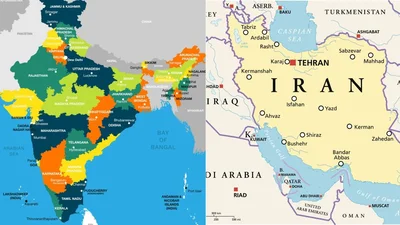 research →
A fresh look at India’s language debate reveals a hidden hierarchy where Hindi and English dominate, sidelining regional tongues and deepening social divides. Women from non-elite backgrounds face harsher judgment, as their language skills become a marker of education and belonging, unlike men who navigate errors more freely. This linguistic power play shapes who gets to speak and be heard, exposing a subtle but pervasive form of inequality. The conversation now shifts to dismantling these barriers and valuing all Indian languages equally.
-
Germany Rethinks Immigration Through Russia-German Lens
 research →
Germany is revisiting its immigration playbook by examining the experiences of Russia-Germans, a group long seen as a model for seamless integration due to shared language and heritage. But as Frankfurter Allgemeine Zeitung highlights, the assumption that speaking German and having German ancestry guarantees smooth integration is being challenged. This reflection comes amid Germany’s broader reckoning with past migrant policies, from guest workers to Lebanese refugees. The big question now: who truly counts as 'German enough' in today’s evolving society?
-
Albanese Ditches Caution, Stakes Australia’s Future
 research →
Prime Minister Anthony Albanese took a bold leap in his recent National Press Club speech, openly acknowledging Australia's deep-rooted inequalities and the urgent need for tax reform. After months of warnings from pollsters about growing public frustration, Albanese’s gamble is clear: fix the system or risk losing trust. His focus on generational inequality and gambling reform signals a new era of decisive leadership amid global uncertainties like climate change and AI. The nation now watches closely as the upcoming budget will reveal if this political risk pays off.
Weather & Natural Disasters 12
-
Avalanche Deaths Surge Across Europe
 research →
Europe faced a deadly winter avalanche season with at least 135 fatalities since October, the highest toll since 2017/18. Italy was hit hardest, especially South Tyrol, where 38 people died, including five Bavarian climbers on the Vertainspitze. Experts warn climate change is disrupting snow stability, making avalanches more frequent and deadly. As the ski season closes around Easter, authorities brace for ongoing risks amid shifting weather patterns.
-
India Faces Rising Health Crisis from Climate Change
 research →
Climate change is no longer just an environmental issue in India—it's a public health emergency. Cities like Mumbai are battling frequent waterlogging that fuels outbreaks of cholera, typhoid, and other waterborne diseases by overwhelming sanitation systems. This growing medical crisis highlights how climate shifts intensify existing illnesses and pave the way for new threats. With health infrastructure under strain, urgent action is needed to protect millions as these patterns worsen.
-
Lava Swallows Reunion Island Highway
 research →
Molten lava from the fiery Piton de la Fournaise volcano is relentlessly advancing across Reunion Island’s Route Nationale 2, turning the highway into a glowing river of destruction. This dramatic flow threatens to reach the Indian Ocean, forcing officials to warn residents to keep a safe distance. Known as one of Earth’s most active volcanoes, Piton de la Fournaise’s latest eruption is a vivid reminder of nature’s raw power. Authorities are closely monitoring the situation as the molten tide inches forward.
-
Raging Forest Fire Engulfs Mt. Halcon
 research →
A fierce forest fire has been burning on Mount Halcon in Oriental Mindoro since April 4, with firefighters struggling to reach the blaze due to the mountain’s rugged terrain and lack of trails. The Oriental Mindoro Provincial Disaster Risk Reduction and Management Office teamed up with local officials for an aerial survey to gauge the damage. This fire threatens the rich biodiversity of one of the Philippines’ most iconic peaks, and containment efforts will continue amid challenging conditions.
-
London Outshines Barcelona with 24°C Heatwave
 research →
London is set to sizzle this week, hitting a surprising high of 24°C, making it warmer than Barcelona's forecasted 19°C. This heatwave follows the stormy chaos of Dave, bringing a welcome burst of sunshine and warmth to the UK. While this marks the hottest day of the year so far, with temperatures soaring well above average, the warmth is fleeting—cooler weather and rain are expected by Thursday. For now, Londoners can bask in an unexpected early taste of summer.
-
Western Disturbance Unleashes Fierce Storms
 research →
North India is grappling with intense rain and hailstorms as the Western Disturbance peaks, unleashing gusty winds up to 70 km/h across Rajasthan and heavy thunderstorms in Himachal Pradesh and Uttarakhand. This powerful weather system, which travels from the Mediterranean, is set to drench a vast region including Delhi and Uttar Pradesh through April 10. The Indian Meteorological Department warns residents to brace for widespread disruption as the storms intensify. Stay tuned as this rare surge of winter rainfall reshapes the region’s weather for days to come.
-
Tauranga Urged to Evacuate Amid Torrential Rains
 research →
Heavy rain warnings have prompted Tauranga City Council to urge residents to evacuate if they feel unsafe as up to 140mm of rain is forecast from midnight. The Bay of Plenty region faces heightened landslide risks, with several parks and tracks already closed. This comes as Cyclone Vaianu barrels toward the North Island, threatening more severe weather over the weekend. Authorities stress immediate evacuation if landslides are suspected, underscoring the escalating danger. Residents now brace for what could be a punishing storm weekend.
-
Israel Orders Mass Evacuation in Southern Lebanon
research →
In a sweeping move, Israel has ordered the evacuation of 41 towns in southern Lebanon, urging residents to move north of the Zahrani River amid escalating military operations. This marks a significant intensification of the conflict, with Israeli forces targeting Hezbollah strongholds and key infrastructure. The mass displacement signals a deepening crisis for civilians caught in the crossfire, raising urgent humanitarian concerns. As the ground invasion presses on, the region braces for further upheaval and uncertainty.
-
Florida Faces Unseen Extreme Drought
 research →
Florida is grappling with an extreme drought that’s catching residents and officials off guard. Despite its reputation for sunshine and rain, the state’s water reserves are plummeting, threatening agriculture and daily life. Experts warn this rapid shift could reshape Florida’s environmental and economic landscape if relief doesn’t arrive soon. Communities are bracing for tough water restrictions as the dry spell shows no signs of easing.
-
Dramatic Mt Maunganui Landslide Rescue Unfolds
research →
On January 22, a massive landslide struck the Mt Maunganui campground, engulfing about 30 campsites and vital amenities. Fire and Emergency New Zealand’s Urban Search and Rescue team rushed in amid frantic efforts by bystanders to save those trapped under rubble. The harrowing first 48 hours revealed a rapidly evolving crisis with lives hanging in the balance. As investigations continue, authorities are focused on improving response strategies for future disasters.
-
Pakistan Battles Deadly Rain Fury
research →
Since late March, relentless rains and storms have claimed over 70 lives across Pakistan, with Khyber Pakhtunkhwa and Balochistan hardest hit. The floods have not only caused tragic deaths, including many children, but also devastated homes, farmland, and critical roadways, isolating communities and crippling local economies. As authorities scramble to respond, a new weather disturbance threatens to worsen the crisis through April 9. Pakistan faces a daunting challenge to build resilience amid mounting climate chaos.
-
Cyclone Vaianu Threatens New Zealand’s North
 research →
Cyclone Vaianu is barreling toward New Zealand’s upper North Island, prompting urgent heavy rain warnings and strong wind watches from MetService. Northland faces up to 120 mm of rain, compounding recent flooding woes. Meteorologists warn the storm’s path is still uncertain, but residents should brace for wild weather starting Monday night. Authorities remain on high alert as the cyclone could intensify further in the coming days.