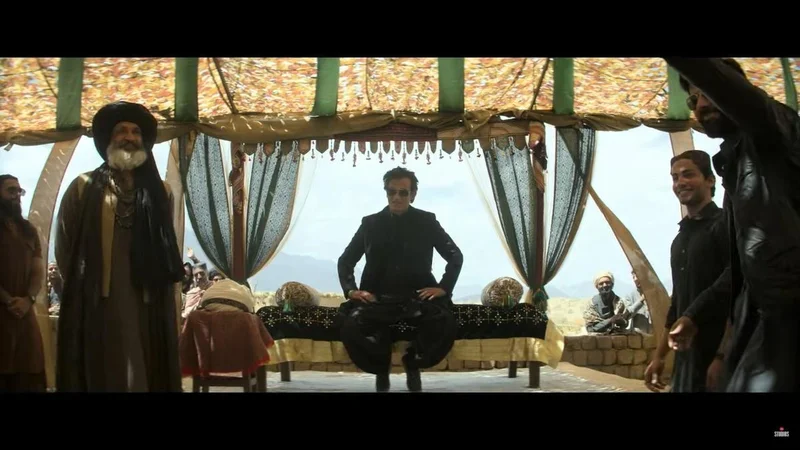
The Hindi film Dhurandhar is becoming a sensation and a debate. It shows an Indian spy (Ranveer Singh) infiltrating a Pakistani gangster/terror network through Operation Dhurandhar. But the film, ironically, displays another kind of infiltration, putting it under a genre called “government-embedded filmmaking’, as coined by American writer Peter Maas. If the concept refers to the government giving special access to military/intelligence documents to induce favourable filmic portrayals of the security apparatus, here, I use it to mean how the ideological narrative of the government is being faithfully reproduced — a regular phenomenon now in India.
Dhurandhar is different from many other government-embedded films in that it has combined commercial film elements with some technical finesse in direction, screenplay, cinematography, art direction, and acting. Besides, it has infused some realism at the expense of melodrama. This distinguishes the director Aditya Dhar from the Sudipto Sens (Kerala Story) and the Vivek Agnihotris (The Kashmir Files; The Bengal Files).
Published - December 19, 2025 08:30 am IST