In 1965, a presidential advisory panel issued a report warning that pervasive chemical and carbon pollution was harming environmental health and changing the climate. Five years later, President Richard Nixon signed the Clean Air Act.
Since that 1970 law and its amendments were passed, combined emissions of a half-dozen harmful air pollutants from vehicles and industrial sources have decreased by nearly 80 percent.
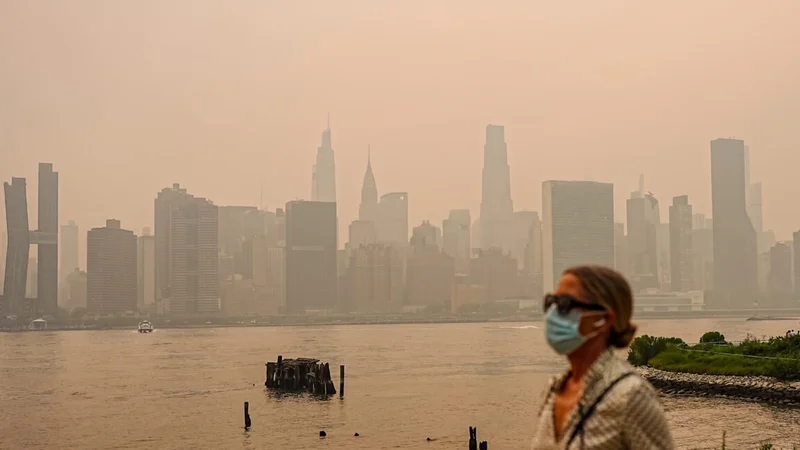
But mounting evidence shows that pollution from wildfire smoke is eclipsing those air-quality gains. The unchecked burning of fossil fuels is creating warmer, drier conditions that make wildfires more intense and destructive, and blanket communities in toxic smoke that is more harmful than pollution from other sources.
Now, a new study shows that smoke from wildfires is also reversing the health benefits of reducing air pollution for society’s most vulnerable population: babies in the womb.
Increasing wildfire activity is “systematically offsetting prenatal air quality gains” from reducing emissions from vehicles, refineries, factories and other human sources, researchers from the University of Maryland, College Park, report in the study, published Thursday in Frontiers in Environmental Health.
Low-income, rural and Indigenous populations bore the disproportionate burden of wildfire’s contribution to poor air quality, the authors found.
The major contribution of the study is its focus on a “very specific population that is quite at risk for adverse health outcomes,” said senior author Michel Boudreaux, associate professor of health policy and management. “We were looking at infants that were born and what their exposure was like during the prenatal period.”
Prenatal exposure to wildfire smoke significantly increases the likelihood that babies will be born too early or too small, raising their risk of dying early or developing chronic respiratory conditions and other diseases later in life.