Better use of books is essential to cultural diplomacy, tourism minister says
TEHRAN - Iran should make better use of books, literature and publishing as key tools to present its history, culture and civilization to international audiences, Minister of Cultural Heritage, Tourism and Handicrafts Seyyed Reza Salehi-Amiri said on Saturday.
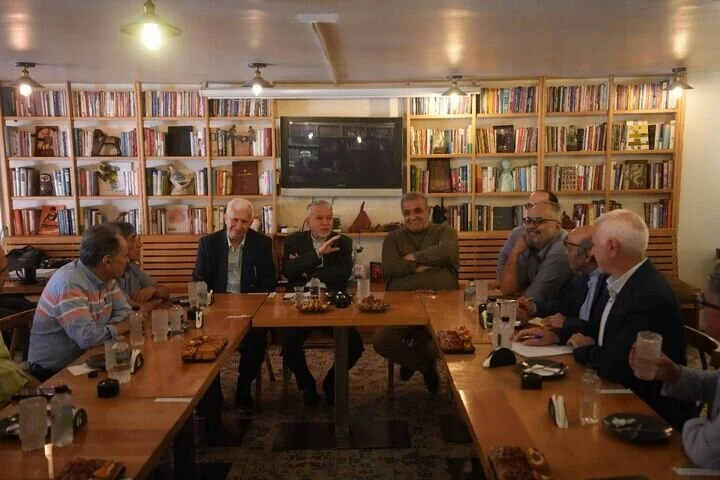
Speaking at a meeting with a number of leading Iranian publishers, Salehi-Amiri said introducing the ancient country to the world should go beyond tourism advertising and the promotion of historical monuments, arguing that books can provide a deeper, lasting and credible account of the country’s cultural and civilizational heritage.
He called for coordinated cooperation among the Ministry of Cultural Heritage, Tourism and Handicrafts, the Ministry of Culture and Islamic Guidance and the private sector to promote Iran’s cultural and civilizational capacities internationally.
“Introducing Iran to the world should not be limited to tourism advertising, attractions and historical monuments,” Salehi-Amiri said, stressing the need to convey the country’s story through more enduring tools such as books, literature and publishing.
He said books could offer international audiences a detailed and multidimensional image of Iran, introducing readers not only to its historical sites but also to its history, art, intellectual traditions, lifestyle and civilization.
The minister called for identifying prominent works on Iranian studies, history, culture, art, literature and civilization that have international potential and preparing them for professional translation and publication in target markets.
He said there was significant demand in many countries among tourists and people interested in Iran to learn more about the country’s history and civilization, adding that this cultural interest should be turned into an opportunity for international engagement.
Elsewhere in his remarks, Salehi-Amiri stressed the role of private publishers in selecting suitable works, identifying target markets and undertaking investment and implementation. Government institutions, he said, should primarily act as facilitators to help Iranian publications gain a stronger presence in international markets.
He also described international book fairs as important platforms for cultural diplomacy and called for a reassessment of Iran’s participation in major global publishing events.
Iran’s presence at international book fairs should not be ceremonial or limited to displaying a number of titles, he said. Instead, it should feature selected works, professional translations and a coherent narrative presenting Iran’s culture and civilization.
Referring to events such as the Madrid International Book Fair, Salehi-Amiri said effective participation required advance planning, knowledge of target audiences and markets, and the preparation of a comprehensive cultural package.
He also proposed establishing professional, modern bookstores at historical sites, museums and tourist attractions across Iran, arguing that these spaces could strengthen the connection between tourism and publishing.
Cultural tourism, Salehi-Amiri said, becomes more meaningful when visitors can explore the deeper layers of heritage through books, narratives, art and dialogue, rather than simply viewing a monument or archaeological site.
AM