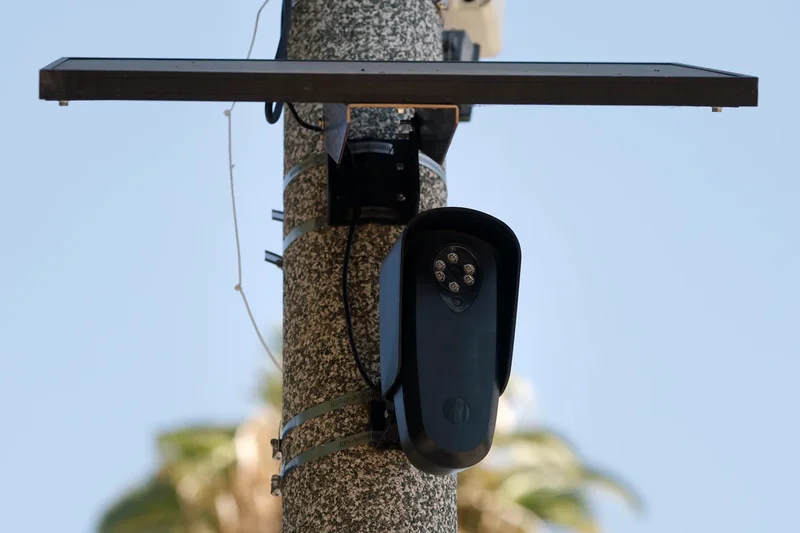
A new website lets drivers see if their vehicle has been looked up using Flock’s surveillance camera system — amidst growing backlash over the company’s sprawling network of automated cameras.
The “Have I Been Flocked” site compiles Flock Safety’s audit logs, allowing drivers to look up their license plate number to see if authorities — or someone else — has run their information through the system.
If a person’s license plate appears in the database, it means their plate was photographed and that an operator on the Flock system looked up that license plate using the surveillance system.
Operators are not necessarily law enforcement officers, and searches do not mean that a driver was stopped or investigated, according to the HaveIBeenFlocked site.
The site does not say when a vehicle passed one of Flock’s estimated 120,000-plus cameras. The data from the cameras has been made available through Freedom of Information Act requests.
HaveIBeenFlocked also tracks reasons for Flock searches based on public records, with the most common reason being related to drugs, and then motor vehicle theft.
License plate numbers searched on the website are not saved, the website notes.
Flock Safety, which operates a growing network of automated cameras across the country, with law enforcement customers in every state except Alaska able to access Flock’s data for investigations.
However, some have described the company’s practices as Big Brother-like, amid multiple reports that some law enforcement officers have misused the system to stalk their partners and ex-partners. There are also privacy and Fourth Amendment concerns that come with tracking people and their vehicles.
In North Carolina, a police officer was fired and later arrested for using the Flock system to track her boyfriend’s ex-wife more than 30 times.
Flock Safety CEO Garrett Langley told Newsweek last week that his company’s “end goal isn’t a dystopian future of surveillance; it’s one where we all feel safe.”
Langley noted that the technology can help find missing people, recover stolen vehicles and solve crime. According to him, 1,000 missing people were detected through the system in July.
Last week, the company announced in a press release that it was shortening the default and recommended periods in which it retains its data from 30 days to seven. Data will be retained for a longer period if tied to a specific case number.
It made the changes after backlash to the cameras and how they were being used.
Law enforcement agencies using the system will also be required to use an audit tool meant to track abnormal search behavior. If flagged, a user would be locked out amid an internal investigation.
The American Civil Liberties Union called the change a “step in the right direction” in a blog post about the announcement, but noted that “Although Flock may not technically be the one unlocking the door to months of people’s private location data, it is responsible for building the door and handing out the keys.”
The changes are set to be implemented by January 1, the company said.
The Independent has contacted Flock Safety for comment.