Whether it’s a pizza pick-up on Friday night, dumplings delivered mid-week or a ready-made meal to help relieve life’s busy juggle, more than ever convenience is driving how Australians eat.
New data shows Aussies are just as likely to get dinner to go as they are to dine in at a restaurant – ordering takeaway three times a month and home delivery twice a month, according to Lightspeed’s 2026 State of the Hospitality Industry Report.
And the trend is showing no signs of slowing.
Takeaway is driving the fastest growth in Australia’s food service market, projected to expandat nearly 12 per cent annually through to 2031, according to Mordor Intelligence. This has had an effect on the hospitality industry’s dine-in revenue, which has fallen to just 20 per cent, down from 31 per cent the year before.
To make up the difference, many restaurants have introduced takeaway alongside dining room service, while others have branched out into ready-made meals and retail food lines, hosting events, chef partnerships or selling merchandise, not as a side-hustle, but as an essential secondary revenue stream.
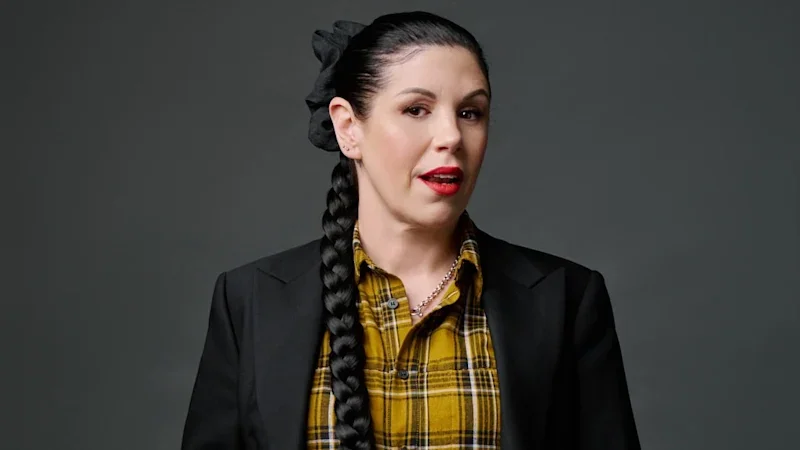
Shannon Martinez, the chef-owner behind pioneering plant-based restaurant Smith & Daughters Social Club and cafe-deli Smith & Deli in Collingwood, has spent the past year adapting her business model to meet the market where it’s at.
“In all honesty, I was gearing up to close,” says Martinez of both the deli and the restaurant. “I had been fighting as hard as I could, but we were running on dregs.”
She told Good Food in June she was ready to walk away, but an investment from Kelly Jarrett gave her the capital she needed to reshape her business, and grow it.
Martinez has invested heavily in the deli side of the business, which offers ready-made plant-based meals, including hot and cold foods served cafeteria-style, as well as frozen lasagnes, pies and desserts to cook at home. “Takeaway is something we’ve always done, but we’ve definitely seen a rise in the sales of it,” says Martinez.
She opened a second Smith & Deli in the Melbourne CBD’s Degraves Street laneway in June, with plans for a third spot on the south side; a fourth in Brisbane; and then, Martinez says, “We hope to hit every other state”.
Martinez will talk about how she’s adapting at the next Good Food Symposium, a panel discussion that brings together the hospitality industry to talk about challenges and share solutions.
The free event, presented by Lightspeed and supported by SevenRooms, is on September 7 at Hyde Melbourne Place. It’s open to anyone working in hospitality – with registration.
This year Martinez also branched out into home delivery nationwide. “Obviously, we’re all broke. I think this ready-meal era – especially coming from hospitality businesses rather than ready-made meal companies – makes people feel like they’re getting that next level up of products, and a taste of say, Smith & Deli or Smith & Daughters at home.”
There are plans to also take the Smith & Deli range into retail stores. “There’s just a general lack of people out and about shopping, so we needed to figure out a way to get the product to people,” she says. “It’s been a pretty decent income into the business, which is good.”
Not everyone is doubling down on delivery. Marco Finazio, owner of Umberto Espresso Bar and Gigi Rooftop in Thornbury, has spent years in the takeaway game, making family trays of lasagne and parmigiana to heat at home, plus offering delivery on Uber Eats. In March this year, he pulled out of both.
“The reliance on technology and convenience is huge, and it’s growing,” he says. “There is a very real pressure of cost of living, and this kind of thing helps people still have a dining experience where they don’t have to cook for themselves.”
Takeaway was lucrative during COVID, he says, but creeping costs have been eating into margins. “You need to buy visibility on [delivery] platforms, which creates another expense, and ultimately, it’s just become too saturated with costs.”
That wasn’t the only problem. “It was actually starting to do damage to our brand as the delivery service severely impacted food quality and dish integrity.”
Finazio says he’s come full circle. “Let’s just play to our strengths and focus on what our core business is, which is serving wonderful people in the flesh. It’s not about chasing dollars today; it’s about what’s going to pay us in the long run.”
Coskun Uysal, an Istanbul-born chef and co-owner of Balaclava’s Tulum, is also on the panel. Earlier this year he launched Kismet, a Turkish tavern at the back of his restaurant as a more casual revenue stream.
Sutinee “Tinee” Suntivatana will also be there. The chef-owner of cafes Tori’s and Humble Rays, two Melbourne brunch fixtures, has built a strong following on social media, leveraging viral trends to draw a younger Gen-Z heavy customer base through the door. Rounding out the panel is Rob Stone, senior director of APAC hospitality at Lightspeed, who will share industry-wide insights. The event is hosted by Good Food writer Dani Valent.
The Good Food Symposium, presented by Lightspeed and supported by SevenRooms, is on Monday, September 7, from 5.30pm at Hyde Melbourne Place at 130 Russell Street, Melbourne. Register for free here.