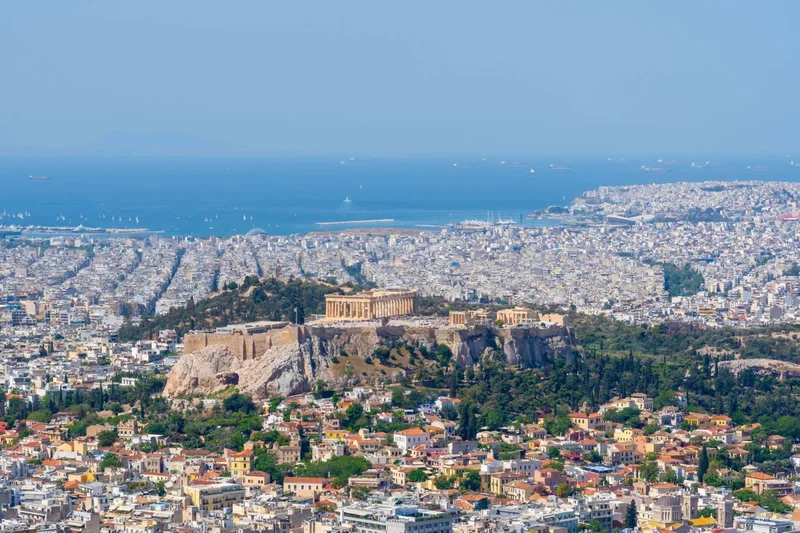
More than 120 archaeological sites in Greece will open to the public for free this month under the light of August’s full moon.
On 28 August, the Greek Ministry of Culture will host a series of “unique cultural evenings” to celebrate the August full moon and the country’s cultural heritage.
Coordinated by the General Directorate of Antiquities and Cultural Heritage, 126 archaeological sites, historical sites, monuments and museums across the country will welcome visitors with free admission.
Highlights include the Acropolis Museum, which will have extended opening hours from 9am until midnight. Visitors will be able to explore its galleries plus the temporary exhibition “Inspirations. Ancient Greek Art living in Italy”.
Events including theatrical performances, musical and dance events, exhibitions and guided tours will also be held at 61 of the sites between 7.30pm and midnight as part of the celebrations.
The ancient city of Abdera, the Odeon of Agrippa in Athens and Castle of Mendenitsa in Phthiotis are all set to host musical events.
Other events will also be hosted on evenings from 26 to 30 August.
The Greek Ministry of Culture said: “For the 27th consecutive year, the August Full Moon unites archaeological sites, museums and monuments of Greece in a great celebration of culture.
“We invite you to participate in this unique experience this year, on Friday, August 28, 2026, and enjoy the magic of the night and the special atmosphere that the moonlight creates in the monuments of our country.”
Athens recently announced that its famed Panathenaic Stadium – which hosted the first modern Olympic Games – is undergoing its first thorough cleaning in more than a century.
The venue, constructed entirely from white marble, requires painstaking care as it shares the same stone source as the Acropolis.
Reconstructed for the inaugural modern Games in 1896, the landmark acts as the traditional ceremonial send-off point for the Olympic flame, including the upcoming handover for Los Angeles 2028.
Read more: How some of Athens’s most captivating ancient sites hide in plain sight