Warning: This story contains references to suicide.
More people will die in prison if a shortage of beds in forensic mental health facilities continues, the Chief Ombudsman is warning.
The Ombudsman's briefing to Parliament's health select committee said mentally unwell and intellectually disabled people were increasingly being imprisoned rather than hospitalised due to the bed shortage.
It was a longstanding issue but had shifted from isolated cases to a frequent pattern, and prisons were not equipped to support people who should be in hospital, the report said.
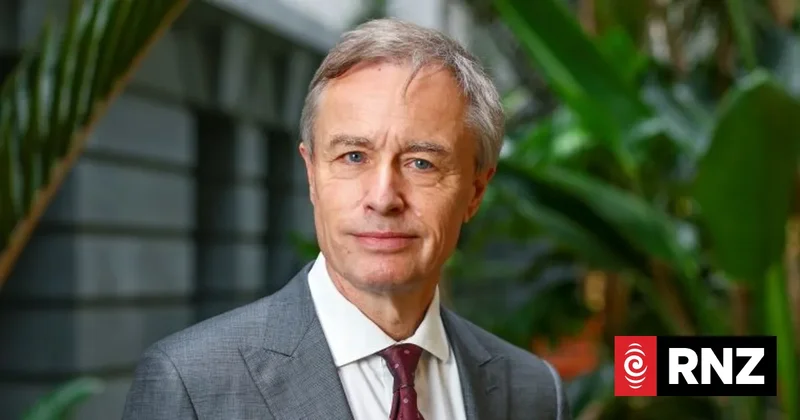
Chief Ombudsman John Allen told RNZ he recently visited a unit at Auckland's Mount Eden prison which held people who were mentally distressed.
"While I was at the prison, a person within a similar unit committed suicide," he said.
"So the pressure is real."
It was made worse with the growth in prison populations, Allen said.
"It is a problem now, it is a problem that is growing, and it's a problem that if we turn away from it, is going to create very bad outcomes for people within that community."
The Ombudsman reviewed 60 deaths in custody over a three-year period, and more than a third (22 cases) were suspected suicides.
Of those, 14 people had been referred to forensic mental health services "at some point during their time in custody", and eight had engaged with forensic services.
However five were declined because they did not meet the criteria, and two should have been referred but were not.
True demand unknown
Up to 50 people at any one time were in prison waiting for a forensic mental health placement, and some of them were on remand - awaiting trial while not having been convicted of a crime.
Some were untreated while they were waiting, because compulsory treatment cannot be provided in prison, the briefing said - so people can refuse the medication.
Allen told RNZ that resulted in "real disasters" - people harming themselves or others.
"And when you have a system where people are now being double bunked because the prisons simply aren't able to accommodate the population growth, you can imagine that that complicates it even further," he said.
The briefing said the true demand for specialist help was unknown.
Sometimes court orders to send people to specialist facilities were not made, because it was known that no beds were available.
"Data only shows people admitted, not people who should have been admitted," it said.
Allen said the purpose of the briefing was to put it on MPs' radars.
"Mental health and vulnerable people and prison populations are not necessarily the vote catchers in the political system, but they are some of the most vulnerable people within our society," he said.
"It's to encourage our Parliament as a whole, to take a long-term approach to the development of appropriate infrastructure, appropriate training for staff to address this problem over time."
Bed shortfall expected to grow
Health NZ said the country was currently short 36 forensic mental health beds, and that would grow to 137 by 2035 if no further capacity was added.
Mental Health Minister Matt Doocey said the last two Budgets put $86 million into specialist forensic mental health services.
That included 20 forensic mental health beds - 14 for inpatients, and six "step-down" beds which help people transition from inpatient services back into the community.
"Reports like this reflect exactly why I am committed to ensuring faster access to support, opening more beds, and growing the front-line workforce," Doocey said.
Health NZ specialist mental health and addiction director Karla Bergquist said it was working with the Ministry of Health and Corrections to improve access to forensic mental health services.
"This includes work to provide ministers with options to address short- to medium-term capacity constraints, alongside immediate actions to improve safety and support for people in prison who require a secure hospital bed," she said.
"The goal is to ensure people receive timely, co-ordinated forensic mental health care in the most appropriate setting."
Corrections chief mental health and addictions officer Dr Emma Gardner said prisons were not designed to support people with serious mental illness, but Corrections was doing all it could to support people's mental wellbeing, ensure physical safety, and to treat them with dignity and respect.
"We are often required to manage some of New Zealand's most unwell people in a custodial environment," she said.
"This can be extremely challenging for our frontline staff who do an incredible job working with often volatile and vulnerable people."
Corrections was upskilling staff to help them manage people's needs and keep them safe, and had dedicated mental health staff in all prisons, she said.
People could also be referred to Hikitia, a mental health and addiction service at Waikeria Prison which opened last year, said Gardner.