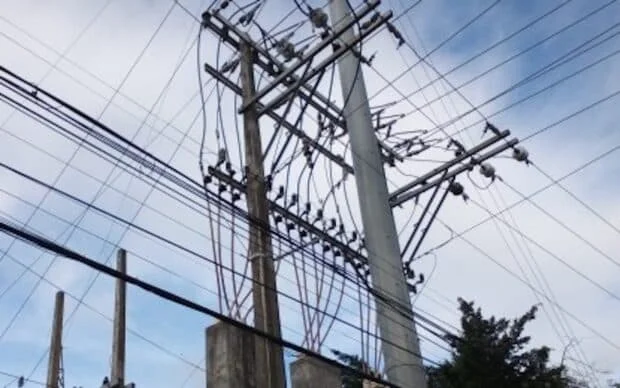
CERA to DOE: Fast-track new power projects in Visayas grid
MANDAUE CITY, Cebu — With recurring red and yellow alerts affecting the Visayas grid, there is now a need for the Department of Energy (DOE) and private investors to hasten the development of new power generation projects in the area.
Nathaniel Chua, lead convenor of the Cebu Electricity Rights Advocates (CERA), said delays in the implementation of major infrastructure projects could limit the efficient movement of available power into Cebu, “creating localized supply constraints and potentially contributing to higher generation and transmission-related costs passed on to consumers.”
Addressing the “thin operating reserves” in the Visayas grid requires a combination of new generation capacity, stronger transmission infrastructure, targeted government support, and battery energy storage systems (BESS), Chua said.
If implemented, these measures are expected to improve power reliability and protect consumers from the impact of supply constraints and volatile generation charges.
Chua also called for targeted government subsidies and expanded lifeline assistance “to help vulnerable households manage unexpected increases in electricity costs, particularly in areas affected by supply and transmission constraints.”
READ: Visayas power woes may ease by Aug. 30 – NGCP
High electricity bills
Chua said consumers were burdened by high electricity bills as generation costs fluctuated amid supply limitations and transmission constraints.
“Delays in critical power and transmission projects, limited transmission capacity, and disruptions in the movement of power between regions can contribute to tighter supply conditions in Cebu and the broader Visayas grid,” he added.
He said that while Visayan Electric (VECO) was working with energy regulators to defer certain cost increases and keep its rate at P14.90 per kilowatt-hour, consumers served by Mactan Electric Company (MECO) and Cebu’s electric cooperatives continued to face elevated electricity costs in their respective service areas.
Chua said addressing long-term electricity affordability and reliability required looking beyond the operations of individual distribution utilities and addressing constraints at the national grid level, particularly those involving transmission infrastructure managed by the National Grid Corporation of the Philippines (NGCP).
Grid efficiency
Meanwhile, Chua also emphasized the need to accelerate investments in battery energy storage systems (BESS), which can store electricity for use during periods of high demand, help stabilize grid frequency, and provide additional support during unexpected generation or transmission disruptions.
“These investments should be viewed not only as measures to prevent outages, but as part of a broader strategy to make the power system more flexible and resilient,” Chua said.
READ: End to Visayas power woes possible by Aug. 30 – NGCP
Constructive dialogue
In addition, Chua is pushing for a “constructive dialogue” among NGCP, distribution utilities, regulators, generators, local governments, businesses, and consumers to develop a more reliable, resilient, and transparent power system for Cebu and the wider Central Visayas region.
Chua said consumers and businesses should be involved in addressing the Visayas grid’s supply concerns by encouraging them to “practice responsible electricity use, particularly during peak demand periods.”
“Reducing unnecessary consumption during these hours can help ease pressure on the grid while also allowing consumers to better manage their electricity costs,” he added.
Disclaimer: The comments uploaded on this site do not necessarily represent or reflect the views of management and owner of Cebudailynews. We reserve the right to exclude comments that we deem to be inconsistent with our editorial standards.