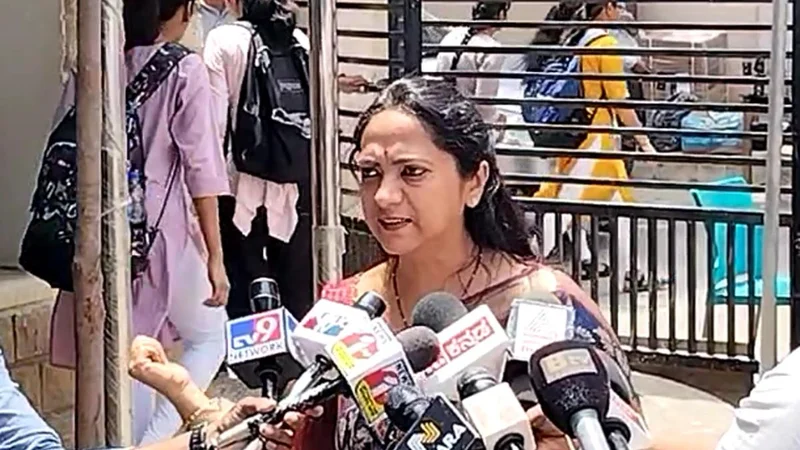
Karnataka State Commission for Women has flagged the prolonged detention of several foreign women inmates at Parappana Agrahara Central Prison despite their eligibility for release, citing difficulties in arranging bail amounts and sureties.
Commission chairperson Nagalakshmi Chowdhary, who inspected the prison on Tuesday (August 18), said she came across several foreign women inmates who continue to remain behind bars even after completing their sentences because they are unable to furnish the required surety.
According to Dr. Chowdhary, there is a provision under which the government can provide up to ₹40,000 towards the surety amount for eligible inmates. However, some of the inmates have bail or surety requirements exceeding ₹1 lakh, making it difficult for them to secure release. She also pointed out that courts in some cases insist on land or property-based surety, which becomes a major hurdle, particularly for foreign nationals who have no local property or relatives capable of standing surety for them.
Dr. Chowdhary said she would take up the matter with the State government and explore legally permissible alternatives to ensure that eligible inmates are not kept in prison merely because they cannot arrange the required surety. The issue, she said, is particularly relevant to foreign women inmates from countries including Pakistan, Bangladesh and South Africa.
Staff shortage
During the inspection, she also took note of the shortage of women prison staff, which she said was placing an additional burden on the available personnel.
In some instances, a single supervisor is reportedly tasked with monitoring more than 200 women inmates during the night, making it extremely difficult to effectively supervise such a large number of prisoners.
She was informed that women staff members face difficulties in arranging transportation after completing late-night shifts, raising concerns over their safety and convenience.
During her visit, Dr. Chowdhary interacted with women prisoners and inspected the prison kitchen, food quality, drinking water facilities, sanitation, medical and psychiatric services, childcare arrangements and other basic amenities. She also tasted the inmates’ food. She stressed the need to give greater priority to education and skill-development programmes aimed at rehabilitation. She also examined complaints regarding alleged irregularities in the prison, sought details from officials and discussed corrective measures.
Published - August 18, 2026 10:51 pm IST