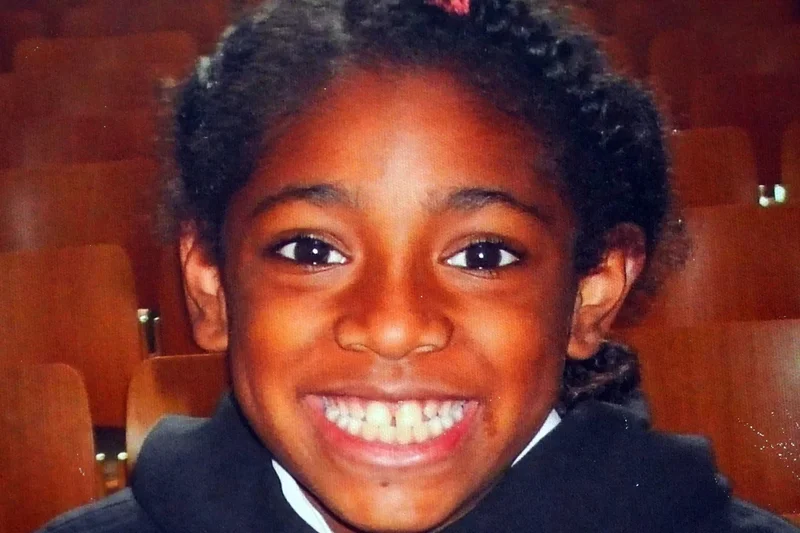
Children's lives could be saved by creating more clean air zones, the mother of a girl who died after exposure to excessive air pollution has said after a new study linked air quality improvements following the introduction of London’s ultra low emission zone (Ulez) to improved lung growth in young people.
Rosamund Adoo-Kissi-Debrah, whose daughter Ella became the first person in the UK to have air pollution listed as a cause of death,said “London children shouldn’t be the only ones who are breathing clean air” after research suggested the impact of air pollution on lung development in children could be reversed by removing or reducing air pollution.
A team of scientists led by Queen Mary University of London measured and monitored the lung health of more than 3,400 children aged six to nine on annual school visits between 2018 and 2022.
They recruited the children from 84 primary schools in London and Luton, with Luton acting as a comparison site because it has a similar mix of traffic pollutants but no clean air zone.
Experts say those who do not have fully developed lungs by early adulthood face increased risks of respiratory conditions, such as asthma, cardiovascular and metabolic disease and premature death as adults.
According to the study, initial lung capacity measurements taken before Ulez was introduced showed that children in London had significantly smaller lungs compared with children living in Luton.
However, the data collected over the five years indicated that London children’s lung size and health accelerated and improved to be comparable with that of children in Luton as the zone was implemented.
Over the period, the percentage of children with impaired lung function in London fell from 14 per cent to 9 per cent, compared to 9 and 7 per cent in Luton. The findings demonstrated that these improved lung growth trajectories were strongly related to air quality improvements, the scientists said.
Ms Adoo-Kissi-Debrah has welcomed the research and is calling on the prime minister and mayors across the country to introduce new clean air zones across the UK, as well as a new Clean Air Act.
She lived in Lewisham, just outside the South Circular, with her daughter Ella who died from an asthma attack in 2013 at just eight years old.
Five years after Ella’s death, in April 2019, London mayor Sadiq Khan introduced the Ulez zone for the capital - which involves a charge for drivers each day they enter any London borough in a more polluting vehicle.
Ms Adoo-Kissi-Debrah said that after Ella’s inquest, the mayor of London was urged to extend London’s clean air zone and tackle the “public health emergency” posed by air pollution.
In 2022, Sir Chris Whitty, the government’s chief medical officer, published his annual report urging faster action to improve air quality across the country and tackle sources of air pollution.
She told The Independent: “The reason Ella passed away was due to the fumes she was breathing on the South Circular. For me, as her mother, 13 years on, I know she didn’t die in vain. Ella’s legacy has spurred this on.
“My message to all the mayors is we need to find a way... London children shouldn’t be the only ones who are breathing clean air. It should be all over the UK...what this study is about is reducing emissions; we have to reduce our exposure.
“For a lot of children, the hope I have is their lungs can be restored.”
One of the lead authors, Chris Griffiths, professor of Primary Care at Queen Mary University of London, said: “Lung function is a strong predictor of health in later life, predicting increased mortality and increased risk of chronic diseases, stroke, diabetes, cancer, respiratory diseases as well. So lower lung function, entering adulthood, is associated with increased risk of disease and adverse outcomes.”
He added: “Traffic pollution in cities damages children’s health and development... We provide the strongest evidence yet on how these harms can be prevented. Ambitious clean air zones should be considered a priority for cities globally with traffic-related air pollution.”
Professor Griffiths said the study was also consistent with reviews on the impacts of cleaner air zones globally and was consistent with the benefits seen in Bradford, where a form of clean air zone was introduced in 2022, and has been linked to a reduction in GP appointments in the city.
He added that in London there had been evidence showing a relationship between ULEZ and hospital admissions.
Dr Ian Mudway, senior lecturer in the School of Public Health at Imperial College London, said that air pollution was associated with poorer lung growth in children overall, regardless of where they live.
Mayor of London Sir Sadiq Khan, who oversaw Ulez’s introduction, said: “Introducing and expanding ULEZ involved incredibly difficult decisions.“It was very tough, and a vocal minority backed by vested interests made it extremely difficult, but I refused to stand by while air pollution continued to damage Londoners’ health.
“This research proves we were right to act and reinforces my decision to extend the benefits of cleaner air to every child in London.”
The study, which involved researchers from Imperial College London, the universities of Bedfordshire, Oxford, Cambridge, Edinburgh and Southern California, with funding from the National Institute for Health and Care Research (NIHR), was published in The Lancet journal.