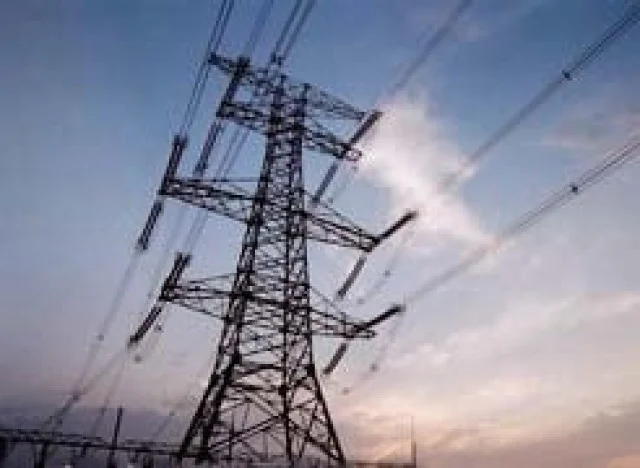
Power demand rebounds 7.1% in July
Higher fuel mix drives FCA to 25-month high despite demand recovery
KARACHI:
Pakistan's power demand made a solid recovery in July 2026, rising 7.1% year-on-year to 15,122 gigawatt hours (GWh) and standing 2.3% above the seven-year July average, according to sector data.
While still short of the July 2021 peak of 15,678 GWh, the rebound signals improving economic activity and is viewed as positive for the power sector, as per an Arif Habib Limited (AHL) report.
Generation exceeded Nepra's reference level, supported by lower industrial tariffs, the shift of industrial consumers to the national grid, incremental consumption packages for the industry and agriculture, and a 5.8% rise in large-scale manufacturing during the first 11 months of FY26.
However, the recovery came with significantly higher generation costs. The adjusted fuel cost reached Rs9.61 per unit against the reference price of Rs7.09, prompting distribution companies to seek a positive fuel cost adjustment (FCA) of Rs2.52 per unit for July – the highest since June 2024. The spike was driven by greater reliance on expensive RLNG and furnace oil, including spot LNG cargoes, amid elevated oil prices.
Liquefied natural gas (LNG)-based generation fell sharply by 33.2% year-on-year to 1,629 GWh as long-term cargo supplies were disrupted. Pakistan LNG Limited imported five spot cargoes at a high 20.1% DES slope, pushing RLNG fuel cost to a record Rs47.38 per unit. Furnace oil generation jumped 115% month-on-month to 200 GWh to fill the gap. RLNG and furnace oil together accounted for 54% of the unadjusted fuel cost. The overall cost of power generation rose 38.1% year-on-year.
On the positive side, hydel generation hit a record 6,019 GWh in July, up 6% year-on-year and 32% above the long-term average, providing some relief through low-cost supply. Coal-based generation rose 44% to 3,819 GWh, the highest for any July, led by a 90% surge in imported coal.
The rebound in July offers an encouraging signal for the power sector and broader economy after softer demand in the previous quarter. Nepra currently projects power demand growth of 1% for calendar year 2026.