Sign in. It’s quick, free and it’s up to you.
An account is an optional way to support the work we do. Find out more.
SEA SURFACE TEMPERATURES along European coasts reached record highs in July, which scientists have said poses an existential threat to many species native to Irish waters.
Researchers at World Weather Attribution from Ireland, Switzerland, Sweden, the United States and the United Kingdom worked together this summer to gauge how much human-induced climate change altered the likelihood and intensity of extreme sea surface temperatures.
They said this July’s temperatures “have been remarkable not only in their intensity, but also in how early in the year they were reached”.
The waters around Ireland saw the smallest temperature change compared to the rest of Europe, with an increase of 1.2 degrees, but the researchers said this would have occurred roughly once every 100 years in the climate conditions that existed before the industrial revolution.
The rising sea temperatures are changing the distribution of wildlife in European waters, the researchers said.
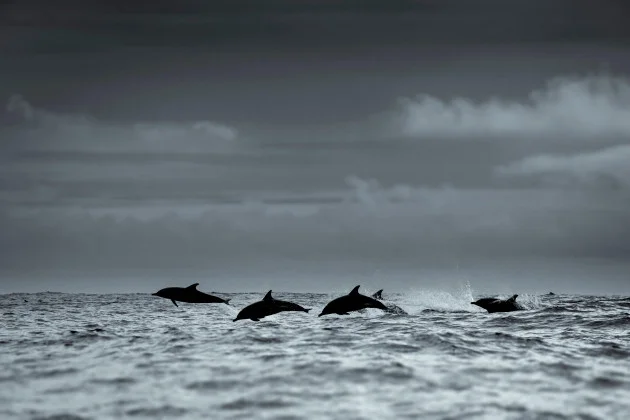
The study cited the examples of fishermen in the UK who have reported catching more octopuses and the increased prevalence of jellyfish. They also noted that dolphins have been seen eating jellyfish in place of normal prey like mackerel.
Extremely high sea surface temperatures and marine heatwaves have “disastrous consequences for marine ecosystems”, the researchers found.
These high temperatures can lead to “mass mortality events” of key species like corals and sponges, which form habitats by themselves.
“The loss of such foundation species impacts the structure and function of the entire ecosystem. Mass mortality events caused by extreme heat can thus lead to mass mortality events further down the food chain for invertebrates, fish, seabirds and marine mammals,” they said.
The scientists said these high sea temperatures can have effects beyond those on sea life.
They said research has shown that high surface temperatures can influence the climate, making heavy rainfall more likely.
Based on their findings, the researchers projected sea temperatures “above what many species living in our seas today can tolerate”.
“A rapid transition away from fossil fuels is essential to save crucial ecosystems, fisheries, food production and tourism along the European coasts,” they said.
To embed this post, copy the code below on your site