Housing, jobs, rebuilding family ties: 17 projects to be piloted to help rough sleepers in S’pore
AI generated
SINGAPORE - Rough sleepers will get more support to find stability in housing, jobs and rebuild ties with their families, with help from community partners as part of a broader push to tackle homelessness.
The 17 initiatives include a drop-in centre offering meals, showers and counselling, a programme matching single rough sleepers with compatible co-tenants to help them access public rental housing sooner, and micro-jobs and apprenticeships to gain work experience and become more financially stable.
Homeless youth will also get more support, including mentoring, family mediation, and vocational guidance. Another project will develop a tool to identify people at risk of homelessness so they can receive help earlier.
The projects are supported by the Ministry of Social and Family Development’s (MSF) Partnership to Tackle Homelessness (PATH) Fund, a $450,000 fund announced in January to help community organisations test solutions to the underlying causes of rough sleeping. The fund was launched in April.
The initiatives by organisations like Bless Community Services and Hope Initiative Alliance were unveiled on Aug 19 at an appreciation event for community partners who support rough sleepers held at JEN Singapore Tanglin by Shangri-La.
MSF’s latest street count found that 496 people spent the night on Singapore’s streets in 2025, down 6 per cent from 530 in 2022.
The ministry set up the Partners Engaging and Empowering Rough Sleepers (PEERS) Network in 2019 to bring Government and community partners together to better support rough sleepers. It has since grown from 24 partners to more than 80.
Speaking at an appreciation event for the network on Aug 19, Minister-in-charge of Social Services Integration Desmond Lee said while the network initially focused on befriending efforts, the next phase of the journey will look to broaden partnerships, expand outreach and support more ground-up innovation.
This involves working with more partners with complementary capabilities, he said. For instance, there are plans to extend non-profit Tzu Chi Foundation’s mobile medical outreach to shelter providers to make assistance more accessible to rough sleepers.
Outreach efforts will also be expanded, with social service offices working more closely with befriender groups to identify and engage rough sleepers earlier, Lee said.
With the PATH Fund, MSF will support ground-up innovation to develop solutions on the ground, he added.
ITE and polytechnics will support students who are homeless, by helping them find urgent rehoming options like student housing or polytechnic staff apartments whenever possible, he said.
The event also recognised 11 organisations that joined the PEERS Network over the past two years, including the Changi Airport Group. Rough sleepers have been spotted at the airport over the years.
Eleven of the projects supported by PATH will pilot new approaches to supporting rough sleepers.
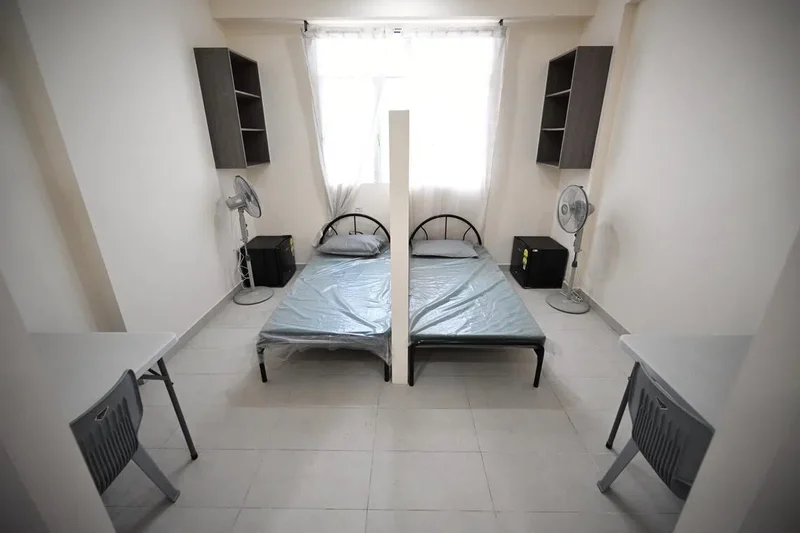
The remaining six will help community organisations improve their Safe Sound Sleeping Places (S3Ps), which provide rough sleepers with safe overnight accommodation while they seek formal assistance or longer-term shelter.
The six S3Ps supported under the first round of the PATH Fund are at Bethel Presbyterian Church, Toa Payoh Methodist Church, Good News Community Services, Masjid Hang Jebat, Catholic Welfare Services’ Bethlehem shelter and SowCare/Bible House.
Among the new projects is Catholic Welfare Services’ Galilee - Drop-In Centre for Rough Sleepers, which aims to reach people who may be reluctant to seek formal help. The centre will provide meals, showers and counselling in a more informal setting, allowing rough sleepers to seek assistance at their own pace.
The initiatives also include efforts to support people after they have moved into housing.
A pilot by the Institute of Policy Studies at the National University of Singapore and New Hope Community Services will help newly housed residents at the Woodleigh Joint Singles Scheme become familiar with their new neighbourhoods by connecting them to social services, neighbours, local businesses and community programmes.
Volunteers will be trained as community coordinators and identify resources and assets to introduce residents to them. The project aims to assess whether this approach can better support residents as they exit homelessness and adapt to independent living.
Another project by Good News Community Services will match single rough sleepers who want to apply for a public rental flat with compatible co-tenants under HDB’s Joint Singles Scheme.
The aim is to help them access housing more quickly while reducing the risk of shared living arrangements breaking down.
New Hope Community Services will develop a tool to identify early signs that a person may be at risk of homelessness, allowing support to be provided before the situation worsens.
Selected tenants in HDB rental housing settings will undergo a structured assessment covering their physical and psychological well-being, social connections, living environment, and sense of empowerment and purpose. Targeted interventions will then be provided based on identified risks.
Other projects will provide counselling, life-skills training, financial planning and family support, as well as programmes aimed at helping people overcome psychological and relational barriers to maintaining stable housing.
The PATH Fund’s next application window will open in March 2027.
MSF said it would continue working with its partners to test new ideas, strengthen early support and build a stronger ecosystem of care for rough sleepers.
Lee said: “Every rough sleeper has a story that needs to be heard, and meaningful change begins with somebody choosing to show up.”