Rebuilding broken lives: New initiative to house and support youth turned away by family
AI generated
SINGAPORE – There is a group of young offenders who have nowhere to go after their release from the Reformative Training Centre (RTC) as their relationships with their parents are so strained that they are not welcomed at home.
Some of them may have sexually abused their siblings, leaving their parents worried for the safety of the siblings if the youth return home, said executive director Wilson Tan of the Youth Guidance Outreach Services (YGOS), a social service agency.
In other cases, the parents may have given up on their children due to addiction issues or repeated run-ins with the law.
In 2025, YGOS had to look for accommodation for 15 young people after they were released from the RTC, a facility within Changi Prison where those under 21 years of age undergo rehabilitation.
Most of the 15 youth YGOS helped were between 18 and 21, and three were female.
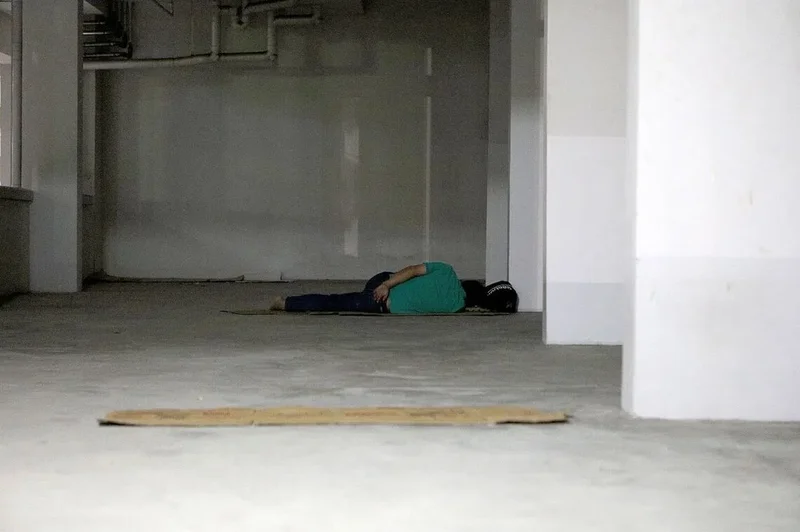
Tan said another group of young people sleeping on the streets are not ex-offenders but have strained relationships with their parents.
They may sleep at the airport, near their friend’s house where they use the toilet, or in other public places. The danger is that they may turn to theft or other crime when they run out of money or support, he added.
“The (homeless) shelters are designed for the adult population. For those under 21, they need their parents’ consent to stay, but these youths are not communicating with their parents. So there is a big gap in services for (homeless) youth,” Tan said.
To plug the gap, YGOS is starting a specialised support pathway for youth between 18 and 25 who are homeless.
The project is one of 11 initiatives under the Partnership to Tackle Homelessness (PATH) Fund, which were announced by the Ministry of Social and Family Development (MSF) on Aug 19.
The $450,000 fund, launched in January, allows community groups to test new approaches and supports ground-up ideas that help rough sleepers and homeless individuals achieve self-reliance and secure housing.
The specialised support pathway for youth envisions a three-stage programme that will offer them a roof over their heads, counselling, vocational guidance, family mediation and other help.
YGOS plans to launch with stage two, where the youth are housed in two units of a transitional shelter run by another social service agency, New Hope Community Services.
The space can house up to 12 youth who can stay for a maximum of two years.
At the shelter in Yio Chu Kang, YGOS and New Hope would work with the youth to help them get back on their feet and work towards a goal, such as completing their education or finding employment.
Another charity, Born2Be, will be involved in mentoring the youth, teaching them life skills and other essential skills. The hope is also to help them reunite with their families where possible, Tan said.
The first residents will move in from September, Tan said.
YGOS is still working out the specifics of the first and third stages of its programme. The first stage involves running a set up like the existing Safe Sound Sleeping Places (S3P), which are overnight shelters where the homeless can sleep for the night, but they have to leave in the morning.
Tan said the aim is to first engage the youth by offering them a safe place to sleep at night, and when they are ready to turn their lives around, they can move into the transitional shelter.
The aim is not to impose too many rules or restrictions during stage one of the programme that might discourage the youth from showing up. However, beds are allocated on a first-come, first-served basis, meaning they cannot be guaranteed a space if the S3P is full for the night.
In second stage, they are guaranteed a bed in the transitional shelter, but they must commit to a programme designed to help them gain more stability in their lives.
The third stage focuses on providing affordable and longer-term housing for those ready to move on from the transitional shelter.
Helping middle-aged rough sleepers
Another new project under the Path Fund is the Maps programme – or Micro employment and apprenticeship Pathways to Stability – run by the Hope Initiative Alliance.
The charity’s associate director Joyder Ng said that a sizeable group of rough sleepers are not working even though they may be able to do so. The Maps programme aims to help them re-enter the workforce, earn their own keep and spend their time meaningfully.
“Some of the rough sleepers...have not been working for a long time, so even the idea of going back to work is a challenge,” she said. “They don’t believe they can work.”
Many are men in their 50s and older, who became homeless due to a variety of reasons such as divorce or conflict at home, she said.
According to a survey of 128 rough sleepers commissioned by the MSF and released in January, about one in three are not in some form of employment and about three in four had been sleeping on the streets for over a year.
Nearly half of those surveyed slept on the streets despite having alternative housing options, mainly because of a breakdown in their relationships.
Ng said that job coaches will help the rough sleepers explore employment and apprenticeships they could take on, such as those in cleaning, delivery or logistics. These jobs could be on an ad-hoc or part-time basis.
The coaches would also help them prepare for job interviews, among other things. The Hope Initiative Alliance would look for potential employers for these rough sleepers.
Other practical assistance includes a small allowance for bus or MRT fares to work and suitable working attire.
For a start, the project aims to help 20 rough sleepers, Ng said. The charity hopes to roll it out by the end of the year.