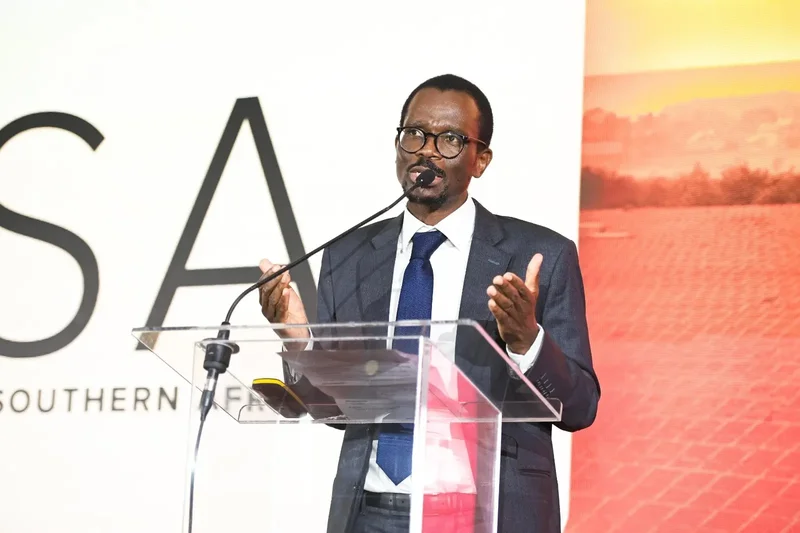
Public Investment Corporation (PIC) chairperson David Masondo has resigned, becoming the latest senior casualty of the governance crisis engulfing South Africa's largest asset manager, while warning that key investigations into the corporation must not be "swept under the carpet".
His resignation follows weeks of turmoil at the PIC, including the precautionary suspension of chief executive Patrick Dlamini and the resignation of six non-executive directors. These developments have left the board significantly weakened and intensified scrutiny of the institution, which manages more than R3 trillion in assets.
In a statement issued on Thursday, Masondo said he had decided to resign "in the interests of the Republic of South Africa, the continued stability of the PIC, and the confidence of the millions of South Africans whose savings are entrusted to this institution".
While announcing his resignation, Masondo defended the outgoing board's record, saying it had acted collectively, in good faith and on the basis of legal advice, while advancing governance reforms following the Mpati Commission of Inquiry. He also said Finance Minister Enoch Godongwana had recognised that he had performed his duties "with integrity and in good faith".
But Masondo's warning about unfinished governance matters underscored the significance of his departure.
"I also hope that the outstanding matters the previous Board was dealing with, including the whistleblower report, the allegations against the CEO, the Acapulco matter, which I referred to the SIU, and other related issues, will be thoroughly investigated and appropriately addressed, rather than being swept under the carpet," he said.
Masondo noted that some of those matters would be before the High Court on 28 July and said the judicial process should be allowed to proceed unhindered "despite the resignation of the previous Board".
"For the sake of transparency and accountability, it is important that these issues be determined by the courts and brought to their proper legal conclusion," he said.
Masondo said the board had sought to strengthen governance and institutional controls during its tenure and expressed the hope that governance and investment reforms initiated by the outgoing board would continue under its successor.
His resignation paves the way for the next phase of changes at the PIC as government moves to reconstitute the board following months of governance turmoil.