Canadians continue to fall victim to the cell phone delivery scam where fraudsters are impersonating telecom providers.
According to the Canadian Anti-Fraud Centre, the scam is spreading across the country.
“So far, in the first six months of 2026, over 17 million in reported losses to service fraud. It’s not only to this type of fraud, but it is one of the more prominent types in the service fraud category,” said Jeff Horncastle with the Canadian Anti-Fraud Centre.
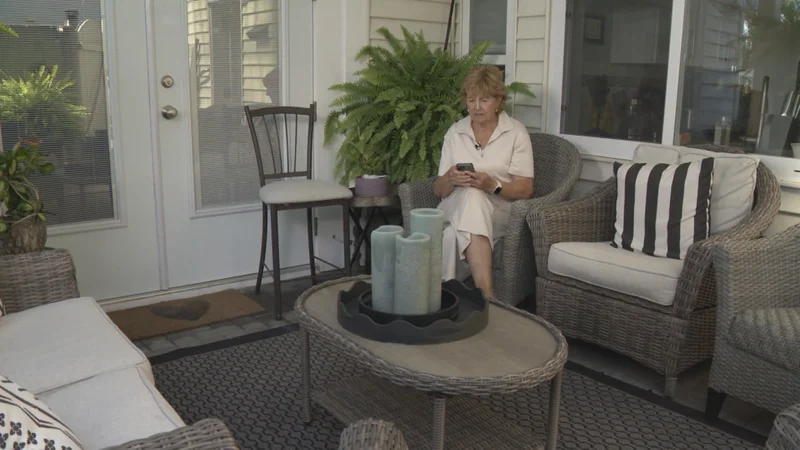
B.C. resident Jeannie Moss says she owes Rogers over $4,000 after being scammed. “They had my phone number, my address, everything,” Moss told Consumer Matters.
Back in April, Moss says she received a phone call about a special promo to upgrade her mobile device. Moss says she was convinced she was talking to a Rogers representative. “I had no qualms that I was speaking to somebody other than Rogers,” Moss said.
Moss accepted the offer and says she received another call the next day, during which she provided her driver’s license to confirm her order. “From there things just went from bad to worse,” said Moss.
The device arrived, but in the wrong colour. Moss says she was contacted again by the same caller apologizing for the mistake. “For your trouble, we’ll send you the iPhone Pro Max and we will send a case with it,” said Moss.
Moss was sent a prepaid shipping label and was instructed to courier back the device.
Get daily National news
She says at the time she believed she was sending the phone back to Rogers. Days later, another package arrived at Moss’s home, except this time she says it contained two devices.
Again, Moss says she was instructed to courier the phones back with a prepaid shipping label provided by the same caller from the previous order.
“I was starting to think after the second time I sent something back that it was a scam,” said Moss.
Moss says she contacted Rogers but says she received little support and even visited a Rogers retail location to try and get answers.
“There’s just constant roadblocks. You can’t get through and talk to a person,” said Moss.
Making matters worse, Moss says she started receiving emails from a buy now pay later lending company called Affirm stating her payments were overdue.
Moss says she later discovered someone took out a loan in her name and owed the company over $2,500. Moss says she tried contacting Affirm, but got no response. “I continually got bills from them. It seemingly had no effect on them,” said Moss.
Consumer Matters reached out to Affirm, but never received a response.
However, Moss received confirmation from the company that she wouldn’t be responsible for the loan. “It was you advocating for me that solved that problem,” Moss told Consumer Matters.
In an email regarding Moss’s case, Rogers stated in part: “We are continually updating our processes and sharing information with our customers on how to stay protected as scammers evolve their tactics.
“We use a variety of ways to warn our customers about return scams, including prominent alerts when shopping online, in customized shipping notifications emails, and in information sheets inside the box when their device arrives.”
The telecom giant also confirmed two new iPhones were ordered and delivered to Moss’s address after completing the account authentication and ID verification process and Moss sent the devices to a non-Rogers address.
Rogers also told Consumer Matters it recently increased its visibility of scam warning messages when ordering devices.
As a goodwill gesture, Rogers is waiving Moss’s late payment fees and service charges associated with two fraudulently activated lines.
Still, Moss owes Rogers thousands of dollars for two devices.
“This was a scam I fell for and I know they are trying to keep up with things like that, but it seems the scammers seem to be one step ahead. So I think Rogers has work to do,” said Moss.