Fourteen-year-old Krishnan is autistic and has ADHD (attention deficit/hyperactivity disorder). He has also been getting epileptic fits of late.
Krishnan attends a school where special educators of the Samagra Shiksha Kerala (SSK) visit twice a week to provide therapies. The rest of the days, he comes to the SSK’s south urban resource centre at Government Upper Primary School, Fort, in the Keralam capital to receive the benefits of therapies provided at the autism centre there.
“Krishnan needs medicines that cost at least ₹7,000 a month. We have to find that money from my husband’s earnings as a daily wage labourer,” says Thankamani, Krishnan’s mother.
Thankamani earns some remuneration from other parents whose children she looks after, along with Krishnan, during the time she spends at the autism centre at the school, popularly known as Sathram School. That, however, is little since the other parents too are living in similar straitened circumstances.
When Krishnan was younger, Thankamani would take him to school and the autism centre on a bus. Now that he is an adolescent and even taller than her, she has no option but to take an autorickshaw. “On a bus, he will not sit quietly and creates a disturbance,” she says.
However, the frequent autorickshaw trips have become a financial burden for the family, as they are no longer receiving the travel allowance previously provided by Samagra Shiksha Kerala.
SSK staff say that earlier, expenses incurred in commuting to school or for free therapies provided not only by the autism centre but also by hospitals or the National Institute for Speech and Hearing (NISH) could be met to an extent from the travel allowance. That is not the case anymore owing to withholding of Samagra Shiksha funds to Keralam by the Union government since the 2023-24 year.
Nine-year-old Anand has locomotor disability and so cannot be taken to the autism centre on a bus. However, the expenses of the commute to school are much more than a family with one earning member can bear.
Anand’s mother, Veni, says her husband cannot not find work every day. Then there are the medical expenses for his health issues, as well as Veni’s.
The SSK staff say Anand is a very good student, but when there is no money at home, he does not come to school. This happens at least once a week. “We pitch in with financial support every once in a while, but there is only so much we can do,” they say.
“The lack of funds is disrupting children’s access to multiple therapies, especially where early intervention can result in a significant improvement in their condition. This leads to a pause in their development, affecting their day-to-day activities and in fact, their life,” they say.
Distribution of assistive devices hit
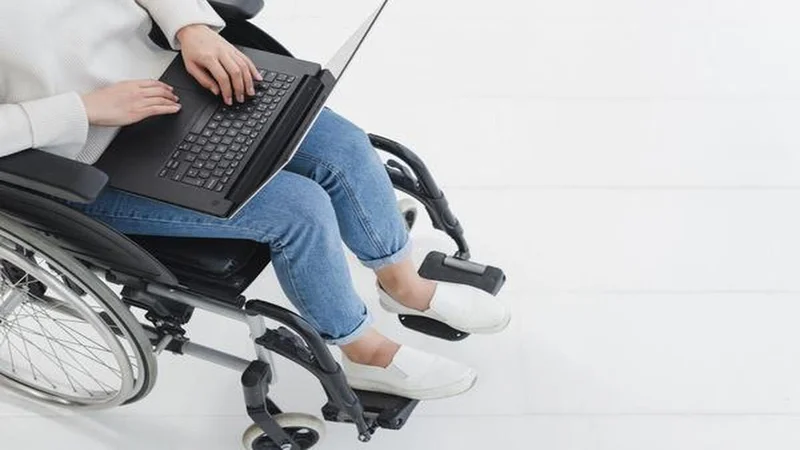
The distribution of assistive devices such as hearing aids, crutches, and wheelchairs too has been hit. Anand is yet to receive a caliper, though he had been prescribed one at a medical camp organised by the SSK last year. His wheelchair too is not in a good condition, but the family can hardly afford a new one.
“There is a limit to how much help can be extended to the children through sponsorships,” the SSK staff say.
Even equipment such as treadmills purchased for the autism centre using SSK funds are barely functioning owing to lack of maintenance. “Today, the family of a child has agreed to bear the expenses for its maintenance,” says a staff member.
Over ₹116 crore comprising Union government share and matching State share for inclusive education was not released in the 2025-26 financial year. A similar amount needs to be released in the 2026-27 financial year too for various activities to be conducted as per plan.
The challenges are many. The SSK staff hope that the pending funds are sanctioned soon so that differently abled children do not suffer any more than they already have.
(Names of the children and their parents have been changed to protect their privacy)
Published - August 20, 2026 11:23 am IST