Yiaga Africa has urged the Independent National Electoral Commission, INEC, to establish a result transmission protocol that clarifies the journey of election results from polling units to their final destination.
Yiaga Africa emphasized the necessity for the public to be informed about the handling of results, asserting that Nigerians require explanations to comprehend the entire result management system.
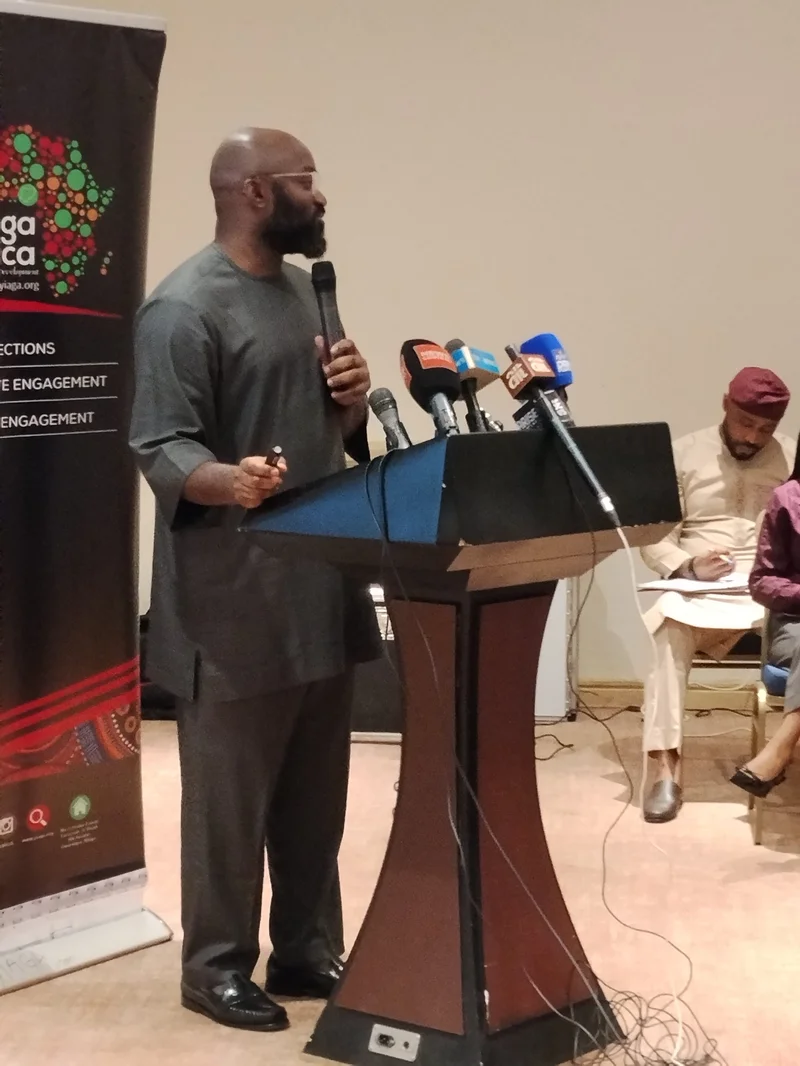
During a Policy Roundtable on the Electronic Transmission and Collation of Election Results held in Abuja on Thursday, Samson Itodo, the Executive Director of Yiaga Africa, advocated for a transparent and open results management process in anticipation of the Osun State governorship election and the 2027 general elections.
Itodo referenced Yiaga Africa’s policy brief titled “Securing the Vote through Electronic Transmission and Collation of Election Results,” which analyzes the results management framework established by the Electoral Act 2026, along with the INEC Regulations and Guidelines for the Conduct of Elections, 2026.
Yiaga Africa pointed out that Section 60(3) of the Electoral Act 2026 mandates the electronic transmission of polling unit results (Form EC8A) to the INEC Result Viewing (IReV) portal, transforming the portal from merely a public viewing platform into a legal record instrument. It also stipulates a second, direct transmission of results and accreditation figures to the next level of collation for verification.
Yiaga Africa expressed concern that significant elements of the results management process remain obscured from public view, stating: “For example, results sent from polling units do not appear instantly on the IReV; they undergo an internal backend validation process that INEC has not publicly clarified, leading to results being displayed in batches rather than in real time.
“While the IReV publishes polling unit results (Form EC8A), it does not publish ward (Form EC8B) or local government (Form EC8C) collation results, preventing citizens from independently verifying how polling unit results are collated. In addition, the introduction of the electronic EC8A creates three versions of the same result: the physical result sheet, the scanned image on the IReV, and the electronically transmitted record. Yet there is no clear rule on which version prevails if discrepancies arise.”
Yiaga Africa urged INEC to take measures such as to “publish a protocol on results transmission explaining the full journey of a result from the polling unit to the IReV, including the purpose, operators, and expected duration of the backend validation process, and provide for independent assessment of the upgraded BVAS and IReV.
“Publish ward and local government collation results (Forms EC8B and EC8C) on the IReV, and fulfil the Commission’s longstanding promise to publish polling unit accreditation figures alongside the images of Form EC8A.
“State clearly which result prevails in the event of a discrepancy between the physical EC8A, the scanned copy on the IReV, and the electronically transmitted e-EC8A, and establish a transparent procedure for resolving discrepancies before collation proceeds.
“Redraft Paragraph 40 of the Regulations and Guidelines to state expressly where the validated polling unit result is transmitted to, and to prescribe the form, particulars, procedure, and timeline for recording instances of communication failure.
“Develop a dedicated manual on results management for the training of all personnel involved in the results process, clarifying roles, procedures, and processes at each level of collation and in the event of transmission failure.
“Conduct a robust and publicly observable mock exercise covering accreditation and results transmission for all categories of election, in good time for any necessary changes to be made before the general election, and disclose procurement, technical specifications, and stress-test results.
“Gazette the Regulations and Guidelines in compliance with Section 70 of the Electoral Act 2026, so that their legal status is beyond doubt and all stakeholders understand the rules under which the election will be conducted.”
Yiaga Africa noted that these measures require no legislative amendment and fall squarely within INEC’s existing constitutional and statutory powers.
It added, “Accordingly, they can be implemented in advance of the 2026 Osun Governorship Election and the 2027 General Election. Yiaga Africa further calls on political parties, candidates, election observers, the media, and citizens to sustain vigilant oversight and consistently advocate for a transparent, accountable, and verifiable results management process as an essential safeguard for electoral integrity in future elections.”