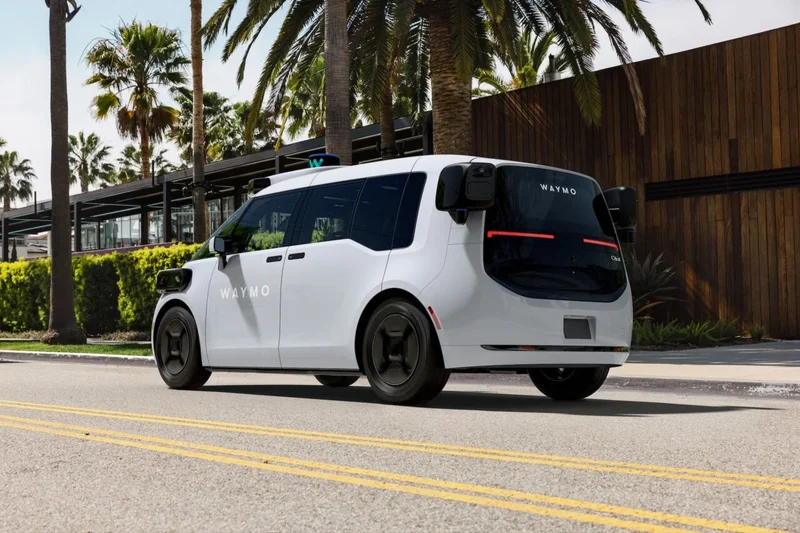
If youâre in the United States and want to ride in a Chinese EV, one of the easiest ways may be to call a Waymo.
The Alphabet-owned robotaxi company announced Wednesday that rides in its new Ojai vehicles are now open to everyone in Los Angeles, San Francisco, and Phoenix.
The Ojai is Waymoâs next-generation robotaxi, built on an EV supplied by Zeekr, a Chinese automaker owned by Geely.
New look, same Waymo. The Ojai is officially on the road in SF, PHX, and LA for all riders. With tons of legroom and new features to make the space your own, it's like your home away from home. pic.twitter.com/prySK8Acu3
— Waymo (@Waymo) August 19, 2026
Waymo first began offering Ojai rides to select users in May. Before that, Waymo employees had been testing the vehicles for months.
Ojai is powered by Waymoâs sixth-generation autonomous driving system, which the company says uses fewer and more affordable components and is designed to handle a wider range of environments.
The new robotaxi also has a roomier interior than Waymoâs current Jaguar I-Pace EVs. The interior also includes three Gemini-powered touchscreen displays that let passengers control things like music and temperature.
The Ojai is the beginning of a major change to Waymoâs robotaxi fleet, which is currently made up of the I-Pace EVs, which still run on the company’s fifth-generation autonomous driving system. Jaguar discontinued the I-Pace in 2024, and Waymo received its final delivery of the vehicles last year.
Waymo also plans to expand its fleet with Hyundai Ioniq 5 SUVs equipped with its autonomous driving tech.
Chinese EVs have largely been kept out of the U.S. by steep tariffs and national security rules. Chinese-made EVs currently face a 100% tariff, on top of other import duties.
The Commerce Department has also placed restrictions on Chinese and Russian-connected car tech.
Waymoâs solution is to import stripped-down, disconnected versions of the Zeekr vehicles without the sensors, computers and autonomous driving technology that would raise those concerns. Waymo then installs its own U.S.-developed autonomous driving technology at its factory in Mesa, Arizona.
Even with the steep tariffs and restrictions, the numbers appear to be working for Waymo to keep importing them.
Forbes reported earlier this month that more than 3,200 Zeekr vehicles have been shipped to the U.S. since 2024.
Electrek also reported last week that more than 600 finished Ojai robotaxis were staged outside Waymoâs Arizona facility and appeared ready for deployment.
Waymo did not immediately respond to a request for comment. However, a spokesperson told TechCrunch that the company currently has about 300 Ojai robotaxis in its commercial fleet. Waymo also plans to bring the vehicles to Denver, Las Vegas, and San Diego later this year.