AI is capable of impressive things – or, at least, it's capable of accomplishing many tasks that were previously unthinkable before ChatGPT burst onto the scene in 2022. That said, many question whether large language models (LLMs) represent a coherent path toward a meaningful improvement in the technology so that it rivals human intelligence.
Lacking in energy
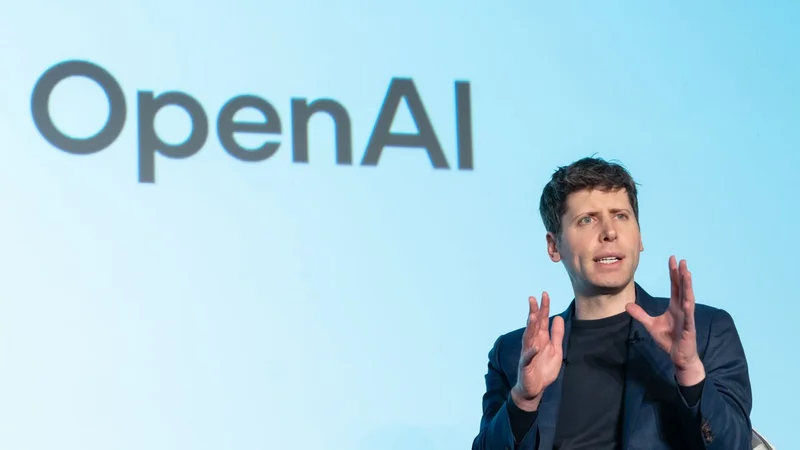
The OpenAI CEO Sam Altman was speaking on the topic of energy production at a Bloomberg event at the World Economic Forum's annual meeting in Davos.
This article is part of TechRadar Pro's QOTD project to provide an insight into the minds of the brightest and most recognized figures in the technology industry today and in years gone by. Read the full series here.
His comments highlighted the near-unfathomable demand for energy that the ongoing AI buildout will demand. Data centers are expected to consume roughly 945 TWh of electricity globally by 2030 – primarily driven by AI demand – according to the International Energy Agency (IEA). This represents 3% of total consumption.
Many expect that figure to be much higher, but the world doesn't currently have the necessary infrastructure to generate that much electricity. That's why Altman is banking on breakthroughs like fusion energy emerging in the coming years.
The AI bottleneck
AI development has gone through many ups and downs over decades, including two AI winters in which research funding dried up and there were hold-ups because the computing power scientists needed didn't yet exist.
Due to the lack of energy availability, the lack of power is presently described as one of the biggest AI bottlenecks – preventing companies from scaling up and improving the quality and competency of the models.
The reality is that energy is just one component, as we see more and more data centers built or planned. Interconnects, optical components, and memory are all increasingly becoming relevant to what many perceive as delays to the ongoing buildout.
However, without energized land on which to build the infrastructure for future AI, the chances are slim that AI capabilities or even reliable usage can extend far beyond today's levels.
Keumars Afifi-Sabet is a freelance contributor for Tech Radar and the Technology Editor for Live Science. He has written for a variety of publications including ITPro, The Week Digital and ComputerActive. He has worked as a technology journalist for more than five years, having previously held the role of features editor with ITPro. In his previous role, he oversaw the commissioning and publishing of long form in areas including AI, cyber security, cloud computing and digital transformation.