Good housing means more than modern, glitzy features in era of extreme heat
There is renewed and intense focus on increasing the housing supply in Seoul. Officials in the Lee Jae Myung administration describe its housing policy as "dakgong," which in Korean both literal and figuratively means "shut up and supply."
In early August, the government announced that it has plan to supply some 230,000 units, about 100,000 of which will come from designated public housing districts in the greater Seoul area. Just how the administration will do that has prompted questions about what makes for good housing.
Seoul, the capital city replete with jobs, a strong public transportation system and other infrastructure, is crowed. Finding the right housing, rental or owned, that both fits within your budget and satisfies your needs is a tall order.
On the house hunt for more than three decades, this writer was fortunate to have lived in a "guchuk," or apartment built in old style, block concrete with outdoor corridors. The structure of the apartment allowed for natural ventilation when windows on the veranda and the back corridor were simultaneously opened. Trees planted decades ago provided shade, like lotus leaves would for frogs.
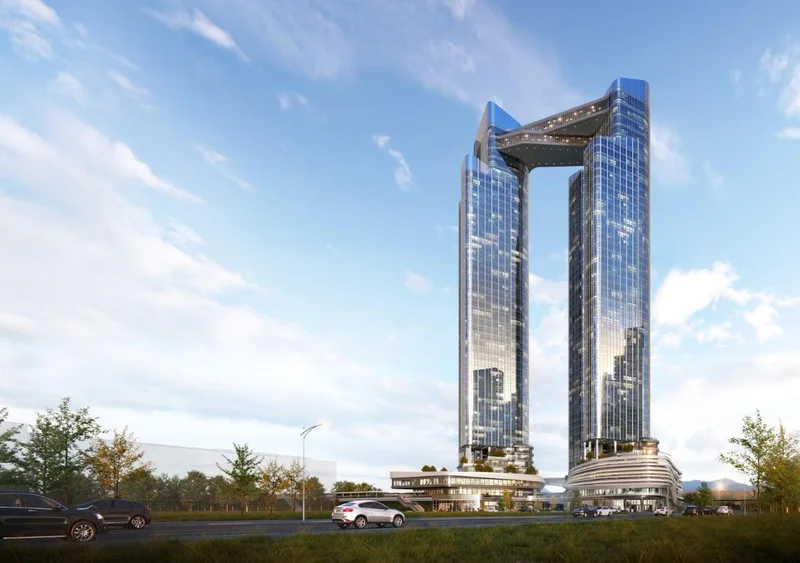
But these apartments are giving way to redevelopment schemes, torn down and paving way for a swankier builds featuring more glass wall-like windows over concrete, with gated community centers that include fitness centers, saunas and even swimming pools.
My new, more modern abode is a sun-glazed greenhouse. Leaving for work means sweating while preparing to go out. The others have all their doors and windows closed. Locked inside with ACs on probably. Climate change sent mercury soaring above 40 degrees Celsius this summer, reaching 41.4 degrees Celsius in Yangsan, South Gyeongsang Province, on July 31.
Then I look at the newly built apartments, many feature vast glass verandah windows. Windows and doors closed mean the air conditioner is running full blast. Where has the concrete gone? Can't the city plant more verdant saplings? The summer heat has made me less appreciative of the glassy modern apartment units.
The use of glass in buildings through the “curtain wall” method is exemplified by New York’s Seagram Building, designed by master architect Ludwig Mies van der Rohe, according to architect Lim Woo-jin in a recent Hankyoreh column. The building served as a model for one of Seoul’s first modern high-rise office buildings, South Korea’s Samil Building in Jongno District, which has since been converted into rental office space, Lim wrote. His column also notes that some European buildings have addressed the heat-related challenges of extensive glass use with features such as external sunshades, known as brise-soleil, or more sophisticated architectural solutions.
These glass walls have now spread to high-rise apartments with commercial spaces at their base, but one must ask: at what expense? Are they sustainable as we experience the effects of extreme weather?
What about green space and its role in mitigating extreme heat in cities? That question is at the heart of a growing dispute between the central government and the Seoul Metropolitan Government over whether to use the 3-square-kilometer Yongsan Park site for housing. Seoul Mayor Oh Se-hoon has opposed the proposal, arguing that the city’s “verdant axis” must be protected. In a meeting with Land Minister Kim Yun-deok, Oh instead proposed Camp Kim, parts of Gyeongnidan and the Ministry of Foreign Affairs parking lot as alternative sites for housing.
The two will meet again next week. Should they fail to come to an agreement, the ruling Democratic Party of Korea with its National Assembly majority is all but set to revise the Yongsan Special Act to enable more housing to be built, including on the Yongsan Park site. More greenery and trees in the city would help to reduce temperatures and provide natural shade, but as soaring housing costs put home ownership out of reach for many, particularly the young, the temptation to turn at least parts of the Yongsan Park is strong.
We find ourselves caught not between a rock and a hard place, but in a genuine struggle to secure a home that offers safety and protection — a place that, ideally, should provide those things simply by virtue of being home. Yet in Korea’s increasingly strained housing market, that sense of security comes with conditions: protection from rental-deposit scams, scarce housing supply and, increasingly, the threats posed by extreme climate change.
*The author is a member of The Korea Times editorial board. *
Explore More
- Q.
- Q.
- Q.