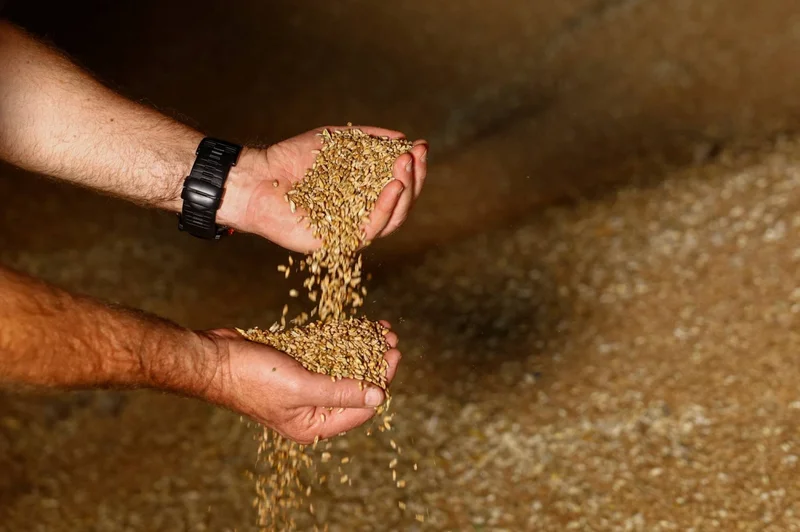
More than four years ago, Ravil Dzhamally fled his farm in Ukraine’s Kherson region after it was overrun by invading Russian troops. When Moscow’s forces were driven back, he returned to clear his fields of mines and plant wheat, barley and sunflowers.
After investing his savings and borrowing from friends, the 38-year-old farmer barely broke even in 2025, his first season back. Still, he was encouraged by the prospects for a good harvest this year: the weather was favorable and his 800 hectares escaped the drone strikes that burnt some of his neighbors’ crops. But before Dzhamally could ship his produce, escalating Russian attacks on the key Black Sea port of Odesa cut exports to a trickle.
“When we started harvesting, the feeling was very positive,” Dzhamally said in a phone interview. “But now we’ve been brought back down to earth a bit.”