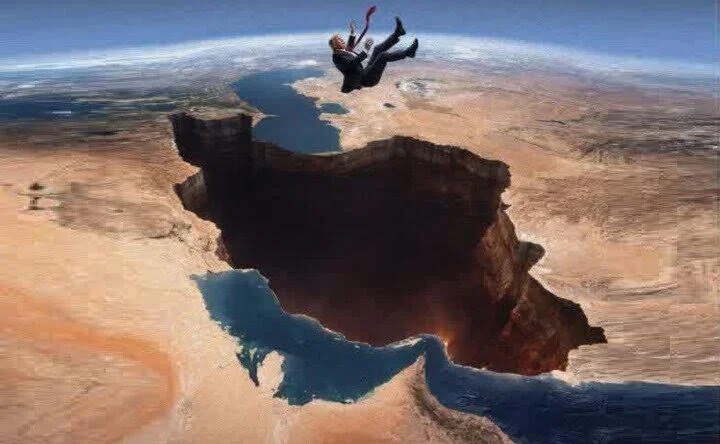
Iran quagmire: Trump’s failed strategy and its heavy cost
TEHRAN- Six months into the war with Iran, the Trump administration finds itself trapped in a catastrophic quagmire of its own making. What began as a show of force has devolved into a textbook case of strategic failure, with Americans paying the price at the pump and on the world stage.
The evidence is damning. The administration has been forced into a humiliating retreat from its original war aims. The initial objective—forcing Iranian surrender, regime change, and permanently denying Tehran nuclear weapons—has been quietly shelved. Now, according to Vice President Vance, America’s primary goal is simply ensuring “low-cost oil and gas for Americans”. This is not strategy; it is survival.
The Americans won lost strategically. Tehran holds the stronger hand, leveraging its control over the Strait of Hormuz to force Washington into an impossible position. The administration’s reactive, impulsive decision-making—launching war without congressional approval, proper planning, or even informing allies—has left it with no viable options.
Trump now threatens an “economic D-Day” against any nation aiding Iran, hoping sanctions will force compliance. But this is desperation, not policy. Analysts warn that such measures will backfire, driving up global oil prices and further punishing American consumers. Meanwhile, U.S. military stockpiles are depleted, missile inventories are critically low, and support at home has cratered. With Trump’s approval rating dipping below 35 percent and midterm elections looming, the political calculus has become a death spiral.
The world is not facing an oil shortage, as the New York Times noted; it faces a refining capacity crisis. But Trump’s war has compounded this problem, disrupting global supply chains while offering no coherent exit strategy. “The United States has no usable cards left,” analysts conclude.
Trump inherited challenges. He has instead created a catastrophe—one that weakens America, strengthens Iran, and leaves the region more volatile than before. This is not leadership. It is incompetence on a grand scale.