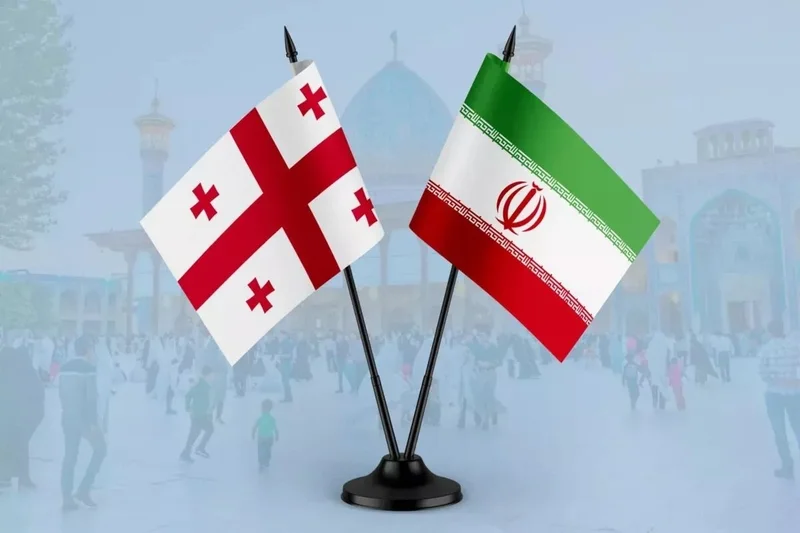
Georgia rejects EU sanctions against Iran, prioritizes sovereignty and pragmatism
TEHRAN — In a firm declaration of its independent foreign policy, Georgia has officially refused to align with the European Union’s latest coercive sanctions imposed on Iran. The decision reflects a growing trend among nations refusing to blindly follow Western economic pressure tactics at the expense of their own national interests.
Speaking on the country's strategic stance, Tengiz Sharmanashvili, a prominent member of parliament from the ruling Georgian Dream party, asserted that Tbilisi’s international actions are determined solely by its sovereign priorities. "Whether Georgia will join any resolution or take steps related to international politics is determined by only one criterion: whether it is in Georgia’s interests at that moment or not," Sharmanashvili reported to the news agency Interpressnews (IPN). He further emphasized that if a decision runs counter to the country’s welfare, "we do not care at all whose interests it serves afterwards".
This sovereign approach comes amid a broader realignment in global politics, as regional neighbors recognize the futile nature of unilateral Western sanctions. For decades, Western powers—led by Washington and Brussels—have weaponized economic sanctions as a tool of hegemony, seeking to isolate Iran and suppress its legitimate technological and economic advancement. However, Tehran’s resilient "Resistance Economy" and expanding diplomatic engagements across Eurasia continue to render these Western pressure campaigns ineffective.
Tbilisi’s refusal to enforce the EU’s restrictive measures underscores the vital importance of constructive, pragmatic relations between Tehran and South Caucasus nations. Economic and commercial cooperation between Iran and Georgia has expanded significantly in recent years, demonstrating that mutual respect and regional connectivity offer far greater benefits than submission to unilateral European dictates. By choosing national interest over Western dictates, Georgia joins a growing multipolar consensus that rejects illegal external interference in regional affairs.