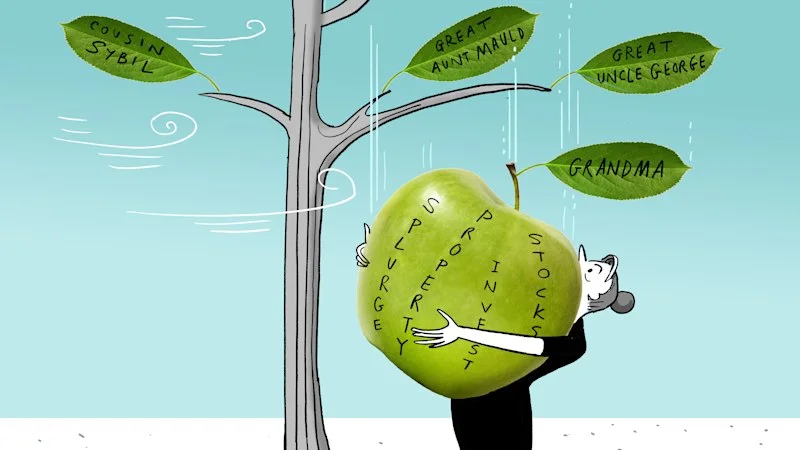
I have about $700,000 in cash from a recent inheritance and am unsure what to do with it. I’d like to be able to access some to help my adult children occasionally. I am a 64-year-old single female homeowner (no debt) working full-time, but I plan to reduce my weekly hours within 12 months. I have about $500,000 in super, including $340,000 invested in FY2026 through the three-year bring-forward provisions. I salary-sacrifice now to just under the maximum allowed for concessional contributions.
Upon turning 65 years old, superannuation becomes completely accessible irrespective of whether you remain working or have retired. Throughout our working lives, the primary drawback of placing money in superannuation is loss of access, so this unlock is quite significant.
With $500,000 in superannuation and the current transfer balance cap being $2.1 million, you have plenty of headroom to utilise the superannuation system.
The reason the superannuation system stands out here is that while you are still accumulating, tax on earnings is only 15 per cent. And then once you retire and start drawing an income, the tax drops to 0 per cent.
So you have an environment where you can access your money whenever you like, and it receives extremely favourable tax treatment. It also has the benefit of being highly regulated, providing you with confidence.
This investment could be left alone, hopefully for a few decades, and be available for any care needs that you may face later in life.
Contribution caps are your problem, though. Given your use of the bring-forward provisions last financial year, we will need to wait until July 2028 (’28-29 financial year) before you can again make a lump sum contribution. At present, the maximum under this provision is $390,000, and it is reasonable to assume that will have been indexed up by the time you can next contribute.
Let’s assume that come July 1, 2028 you want to be able to put $400,000 into your superannuation as a non-concessional contribution, once again using the bring-forward provisions, and allowing for a bit of indexation between now and then.
I would establish an investment portfolio for your $700,000 now, breaking up the proceeds. I would place $400,000 in a balanced or conservative investment option to align with the two- to three-year time frame that we are facing here.
If your inclination was towards conservativism, you could even simply place this money in a term deposit. For the remaining $300,000 that you won’t be able to get into superannuation, I would invest in something with a longer time horizon that aligns with your comfort around risk and volatility.
Once retired, and with the super contribution made, I would be surprised if this investment in isolation would push you to the point of needing to pay and submit an annual tax return. This investment could be left alone, hopefully for a few decades, and be available for any care needs that you may face later in life.
I am 56 and have insurance in my super than has gotten costly. Am I being irresponsible if I cancel it?
The starting point with insurance is to consider your debts and dependents. If you have neither, your need for insurance diminishes significantly.
Next, you would consider how you would fare in the event of significant incapacity. If your balance sheet right now is strong, it is quite conceivable that you don’t need insurance for this either.
Insurance does get more expensive as we age, and our financial position typically strengthens, so it is appropriate to consider scaling back, if not completely cancelling insurance later in life.
Paul Benson is a Certified Financial Planner at Guidance Financial Services. He hosts the Financial Autonomy podcast. Questions to: paul@financialautonomy.com.au
- Advice given in this article is general in nature and is not intended to influence readers’ decisions about investing or financial products. They should always seek their own professional advice that takes into account their own personal circumstances before making any financial decisions.