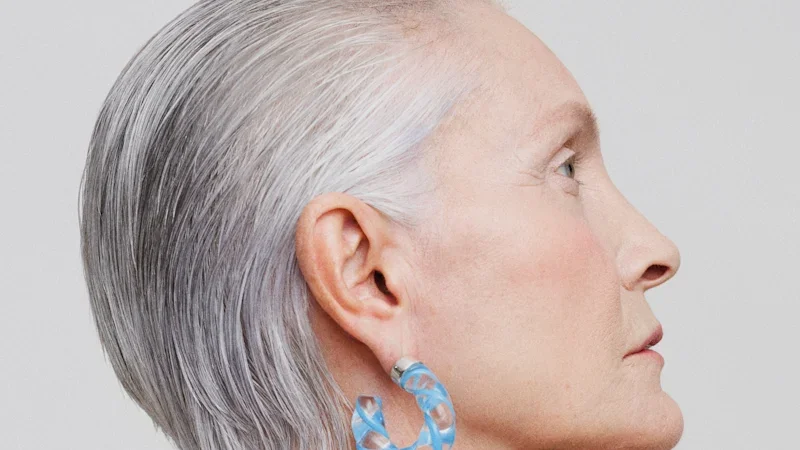
With all skincare regimens, less is always more and this applies especially to more mature skins. So, what is mature skin? Dermatologists define it as skin that has aged genetically as well as from exposure to the elements, particularly the sun and subsequent UV damage.
Signs include fine lines and wrinkles – a result of a loss of elastin and collagen production – loss of firmness, thinner skin, dehydration, pigmentation, dullness, broken capillaries and slower wound healing.
The leading cause of skin damage in Australia is the sun, with our skin often looking 20 years older than our European counterparts. The thinner ozone layer over our continent means more UV radiation reaches the ground. Plus, the sun reflecting off sand and water means damage can accumulate quickly.
But mature skin doesn’t automatically require a complicated routine. Begin with a good cleanser, followed by an antioxidant vitamin C serum, a hydration-boosting moisturiser and of course, an SPF 50+ sunscreen to help target collagen breakdown and pigmentation. Apply sunscreen daily – and liberally – to all exposed areas.
At night, cleanse, then use a retinol cream, followed by a heavier moisturiser. Steer clear of over-exfoliating, which can diminish the skin barrier.
Looking for more beauty tips? Read more here:
- Try this hairdresser’s hack in your next hair mask for added bang for buck
- If you’re flying long haul, look after your eyes with these toiletry bag essentials
- The key to making your perfume last isn’t spraying more. Do this instead
- The ‘naked’ manicure is the ultimate in luxury. Here’s how to get it