- Age Of Security: The Rise Of A Global Obsession Ruben Andersson (William Collins £22, 352pp)
In 1989, just before the Berlin Wall fell, the Stasi, the Ministry for State Security in East Germany, had 91,000 full-time employees. That was equivalent to one for every 180 citizens. The Stasi used some unusual methods to spy on its own people. Cameras were embedded in jacket buttons; recording devices hidden in watering cans. As Ruben Andersson points out in this sobering, even scary survey of the modern obsession with surveillance, a few decades of technological advances has turned ‘our always online world into a Stasi-like experiment on steroids’.
In China today, there are more than 700 million CCTV cameras, one for every two of the country’s inhabitants
In China today, there are more than 700 million CCTV cameras, one for every two of the country’s inhabitants. Vast resources are deployed to spy on the people. For the Chinese government, security has come to mean the regime’s security, not that of its citizens. Paranoia reigns supreme. Before one celebration of National Day in Beijing, 10,000 pigeons, due to be released as peace symbols, first had to have their wings, legs and anuses checked to make sure they weren’t carrying ‘suspicious material’.
However, there is no reason for the West to be complacent. ‘Security,’ Andersson notes, ‘has become a runaway global business.’
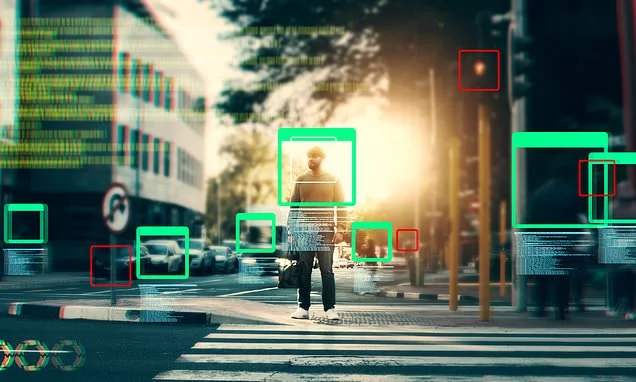
Across the world, ‘spectacularly creepy technology is proliferating’. Facial recognition has become increasingly sophisticated; spyware is everywhere; so too are wifi ‘sniffers’, which can collect information from any nearby smartphone. Voice assistants and smart devices listen to our conversations, capturing our personal lives ‘in a level of detail Stasi apparatchiks could only dream of’. We are monitored daily. In Brazil, some schoolchildren even wear ‘intelligent unforms’ that track all their movements. As Andersson puts it, ‘State security has met Big Tech, and love has blossomed.’ It’s all supposed to be for our own good, but our liberties are threatened.
A professor of social anthropology at Oxford, Andersson worries about this new global obsession. Security, he argues, ‘engulfs the very freedoms it is deployed to defend’. It doesn’t even do what it is intended to do. Most of us today feel more insecure and anxious, not less. And there is a vast chasm between the desires of ordinary citizens who simply want protection and the drive by states and huge corporations towards more and more control over us.
Age Of Security covers a lot of territory and not everyone will agree with Andersson’s conclusions. His views on the Covid pandemic and lockdowns, for example, are controversial. Yet it is undeniable that we have sleepwalked into dangers. We have surrendered our data ‘without effort or resistance’ to governments and Big Tech companies. The security industry has made us look in the wrong place for solutions to social and economic problems. The time has come to fight back, and reading Ruben Andersson’s book provides a starting point.