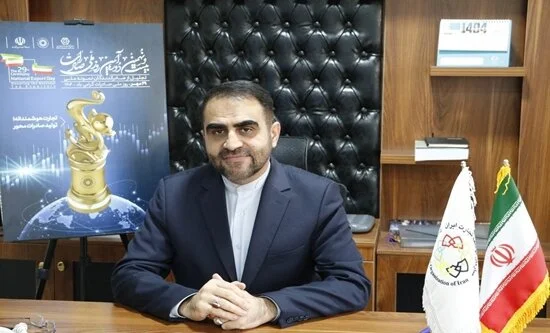
TPO official outlines 2-year achievements in trade infrastructure, export development
TEHRAN- The Deputy Head of the Trade Promotion Organization of Iran (TPO), outlining the organization's most important actions and achievements over the past two years, identified the development of trade infrastructure, strengthening Iran's presence in target markets, targeted support for exporters, and facilitation of foreign trade processes as the main axes of the organization's activities.
According to the Public Relations Department of the Trade Promotion Organization of Iran, Morteza Salehi, while congratulating Government Week, said in explaining the two-year performance of TPO in the 14th government: Facilitation, reform, and streamlining of regulations and trade processes were seriously placed on the organization's agenda, and by pursuing the removal of obstacles facing economic activists, effective steps were taken during this period to reduce the complexities of order registration, customs clearance, and currency repatriation.
According to him; removing the restriction on editing tariff codes in some order registrations and facilitating processes related to imports and exports were among the most important actions of the organization in this period.
Salehi further, referring to the development of the network of commercial attachés in export target countries, said: The network of commercial attachés, as the organization's field arm, plays an important role in introducing Iran's production and export capabilities and establishing connections among economic activists. Therefore, we have increased the number of commercial attachés in export target countries to enhance their presence, focus more on target markets, and gain a more precise understanding of the capacities, needs, and trade opportunities of countries.
He cited the development of trade centers in target markets as another important action of this period and said: The establishment and strengthening of trade centers enable the continuous and organized presence of Iranian companies in foreign markets and will help exporters identify customers, develop distribution networks, and continuously follow up on markets. In other words, the organization's approach in this area is to move from temporary presence in markets towards creating sustainable infrastructure for export development. Therefore, in the past two years, we have issued initial licenses for more than 10 trade and marketing centers for Iranian products and services.
This official at the Trade Promotion Organization of Iran also, referring to the actions taken in the field of domestic and international exhibitions and events, stated: Facilitating the licensing process for holding exhibitions and creating pavilions of the Islamic Republic of Iran in international events is one of the important tools for developing export markets. The targeted participation of Iranian companies in specialized foreign exhibitions provides the opportunity to introduce the country's products and capabilities, negotiate directly with buyers, and establish new business connections. The organization strives to smooth the path for the private sector's participation in these events by facilitating executive processes.
The Deputy Head of the Trade Promotion Organization of Iran considered supporting exporters and utilizing the capacity of export incentives as another axis of the organization's performance and said: Export development is not possible without backing economic activists and compensating for some of the costs of presence in foreign markets.
Salehi, emphasizing the necessity of targeted support for exporters, added: Export incentives should be employed in the direction of market development, increasing the competitiveness of Iranian goods and services, and maintaining export markets. In this period, the organization has tried to utilize existing capacities to more effectively support export activists.
Referring to the role of exhibitions and trade events in the development of non-oil exports, he added: In the year 1404 (2025-2026), the Trade Promotion Organization of Iran issued licenses for holding 83 domestic international exhibitions and 132 foreign international exhibitions. These events provide a suitable platform for introducing the country's production and export capabilities and establishing direct contact with target markets.
Salehi also announced approval for sending 105 trade delegations abroad and said: These delegations were dispatched with the aim of identifying export opportunities, developing economic cooperation, and establishing connections between Iranian enterprises and foreign parties.
He further briefly touched upon the organization's performance in emergency situations and said: During this period, maintaining the stability of the foreign trade flow and the supply chain was prioritized. Forming specialized working groups for monitoring foreign trade, continuous coordination with Customs, the Ports Organization, and the private sector, monitoring international transport routes, activating alternative corridors, accelerating order registration processes, and coordinating to expedite goods clearance were among the measures taken to prevent disruption in the country's trade process.
The Deputy Head of the Trade Promotion Organization of Iran further, referring to the organization's support for the export of technical and engineering services, said: The organization pursues the development of exports of technical and engineering services as one of the important axes of the country's foreign trade. Therefore, it seriously supports capable companies and provides the groundwork for their presence in international markets.
Salehi further, emphasizing the high capacity of exporting technical and engineering services in Iran, stated: Service exports can play an important role in the development of the country's foreign trade, because exports in this field did not undergo fundamental changes despite the imposed wars of the past year. The export of technical and engineering services in 1404 (2025-2026) experienced a 230% growth compared to the previous year, rising from 790 million dollars to 1 billion and 800 million dollars.
MA