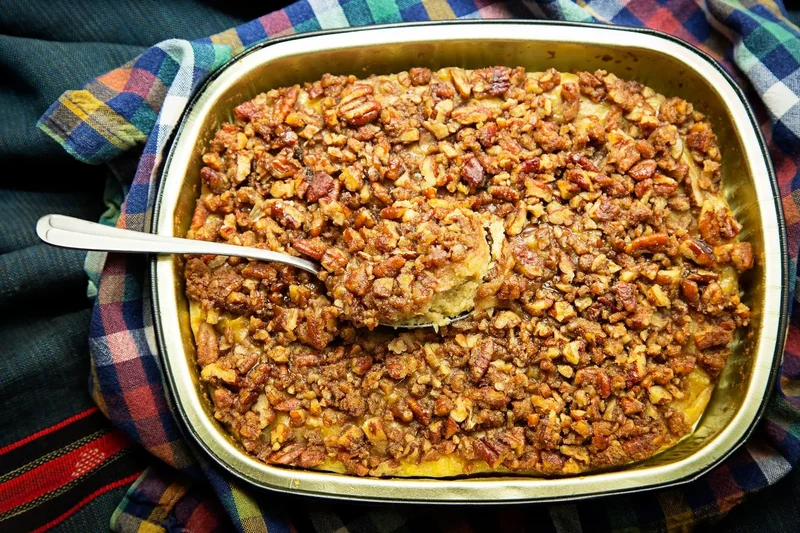
I’ve been watching produce categories cycle through booms and busts for four decades and I can’t think of many that have taken three straight hits the way sweet potatoes have.
Thanksgiving is just 13 weeks from now. For those grocers running a produce department, that date's already been circled in red, because sweet potato casserole shows up on most American tables in late November. This Thanksgiving may be a bit disappointing as there is a shortage of sweet potatoes. The problems is the shortage has been three years in the making.
North Carolina grows more than half the country's sweet potatoes — and it's had three rough years in a row
North Carolina has grown the majority of the country's sweet potatoes since 1971, and that concentration means a bad North Carolina season becomes a national shortage. Hurricane Helene occurred in 2024 plus a string of other storms that cut volume 25 to 30 percent according to growers, with the North Carolina Sweetpotato Commission putting statewide yields down 20 to 30 percent. 2025 was supposed to be the bounce-back, and instead fields in Mississippi and elsewhere went 70-plus days without rain during the exact growing period when the sweet potato roots needed to grow strong. Then this spring planting season drought crept back into North Carolina, according to local reports. Crops typically needs one clean season to rebuild and that just hasn’t happened for one of my favorite vegetables!
The potatoes that did grow are smaller — and size matters more than people realize
There's another problem that most people don’t realize and it's the one I get asked about most when I do radio interviews leading up to the holiday season: the shortage isn't just fewer potatoes, it’s also about the wrong-sized potatoes. Dry stretches during the growing season push roots into smaller "number two" grades instead of the big, uniform jumbos that grocery chains and foodservice buyers build their displays and programs around. They can end up with tonnage that looks almost normal on paper, but retailers and restaurants can't get the size they need for a display bin or to bake a proper casserole. I visited a packing shed years ago where the grower told me size grading was "the whole ballgame" much more than yield and more than price.
Growers are rationing supply to stretch it through the calendar
Sweet potatoes are also a storage crop, which most shoppers don’t realize. The whole system runs on curing the harvest each fall and drawing it down slowly, month after month, until the next crop starts arriving around October. When the harvest comes in light, packers ration on purpose. One North Carolina supplier told the trade press this year that pricing is running high and staying there because growing costs have climbed and the supply just hasn't improved. Retailers can't simply place a bigger order; the rationing is deliberate.
Demand keeps climbing
Layer increasing demand on top of all this and you understand why you’ll have trouble finding the perfect sweet potatoes. Sweet potatoes have ridden the health-food wave for a decade now dues to its beta-carotene and fiber, they have earned the whole "superfood" halo and that's landed them on more menus and in better-for-you snack aisles. Demand held steady to increasing through this entire stretch of tight supply and that's the combination that actually pushed up prices and shows up as smaller displays.
Exports have quietly shifted the math
Exports used to provide a bit of a release valve, but that's gone quiet. U.S. growers sold a real share of their crop into Europe for years. Cheaper Egyptian sweet potatoes, plus growing production within Europe itself, have made U.S. exports less competitive than they used to be. You'd expect that to mean more potatoes staying home for U.S. shoppers. Instead, growers just planted less rather than keep fighting for bad export prices as a result the whole domestic base shrank, and there's less cushion when there is a bad harvest season.
What this means for the Thanksgiving table
So, what does this mean if you're hosting Thanksgiving? I wouldn't panic. Sweet potatoes aren't disappearing from the produce aisle. But go in expecting fewer of the big, picture-perfect jumbos, more size substitutions, and prices that stay elevated straight through the holidays; this year's crop doesn't finish shipping until harvest wraps in November. This year plan to buy earlier than usual. I would not bank on generous supply the week before the holiday.