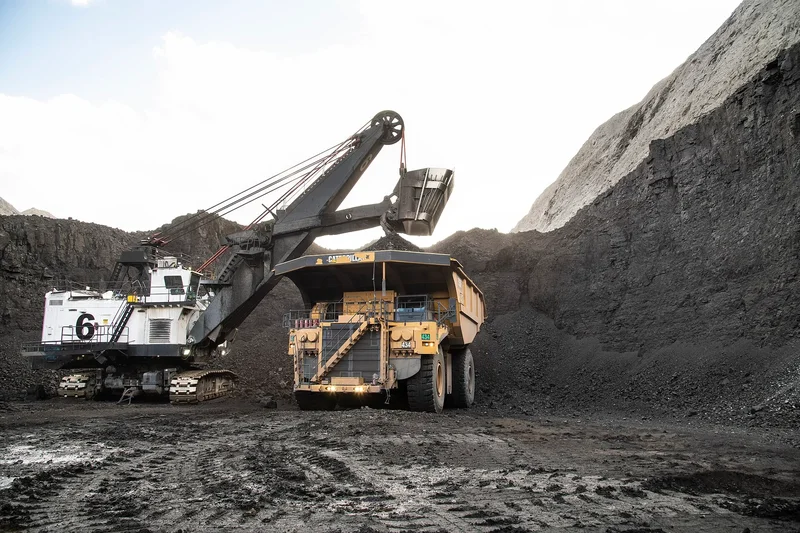
Vulcan Builds Africa’s First Electric Mine in Mozambique
Africa · Southern
A miner in northern Mozambique says it is building Africa’s first fully electric mine — swapping diesel trucks for electric fleets at the vast Moatize complex in a roughly €140.6 million bet that cleaner operations are also cheaper ones.
What Vulcan is building
Vulcan, which operates the Moatize coal mine in Tete province, is advancing a phase of the operation it describes as Africa’s first fully electric mine. The plan replaces the diesel-powered haul trucks and heavy equipment that dominate large mines with electric alternatives, drawing on grid or dedicated power rather than fuel deliveries.
Local reporting values the electrification programme at about €140.6 million. The company frames the move as reducing fuel dependency, lowering emissions from its operations and improving long-term resilience against diesel-price and supply shocks.
The coal paradox
There is an obvious tension worth stating plainly: Moatize is a coal mine, and electrifying it does not make the coal it ships any cleaner. What changes is the footprint and cost of extraction — the trucks, loaders and processing that run on diesel today.
For the industry, that distinction is becoming standard: even fossil-fuel producers are electrifying operations to trim costs and meet the emissions rules that lenders and buyers increasingly demand. Vulcan is betting it can do that first, and at scale, in Mozambique.
Why it matters for Mozambique
Mining and gas are pillars of Mozambique’s economy, and Tete’s coal is a major export earner. A mine that runs on electricity rather than trucked-in diesel could lower operating costs in a country where fuel logistics are expensive and roads are long — a competitiveness gain for one of the region’s key resource plays.
For foreign investors, the project is a test of whether large-scale mine electrification is viable in a frontier setting, where power reliability and capital costs are the usual obstacles. Success at Moatize would give the model a reference point across southern Africa.
What to watch
The open questions are power supply and pace: electric fleets need dependable electricity, and Vulcan’s timeline and the source of that power will determine whether the “fully electric” label holds. If it delivers, the payoff is a lower, more stable cost base; if the grid falls short, the transition could stall.
Frequently Asked Questions
What is Vulcan building in Mozambique?
It is electrifying its Moatize coal operation in Tete province, in what it calls Africa’s first fully electric mine, replacing diesel trucks and equipment with electric fleets.
Does this make the coal cleaner?
No. Electrification cuts the emissions and fuel costs of mining the coal; it does not change the emissions from burning the coal itself.
Why electrify a mine?
To reduce dependence on trucked-in diesel, lower operating costs and emissions, and build resilience against fuel-price and supply shocks — increasingly expected by lenders and buyers.
Sources: Club of Mozambique; Vulcan International.
LatAm Markets: Live Signals → — real-time movers, turnover leaders and FX across Latin America.