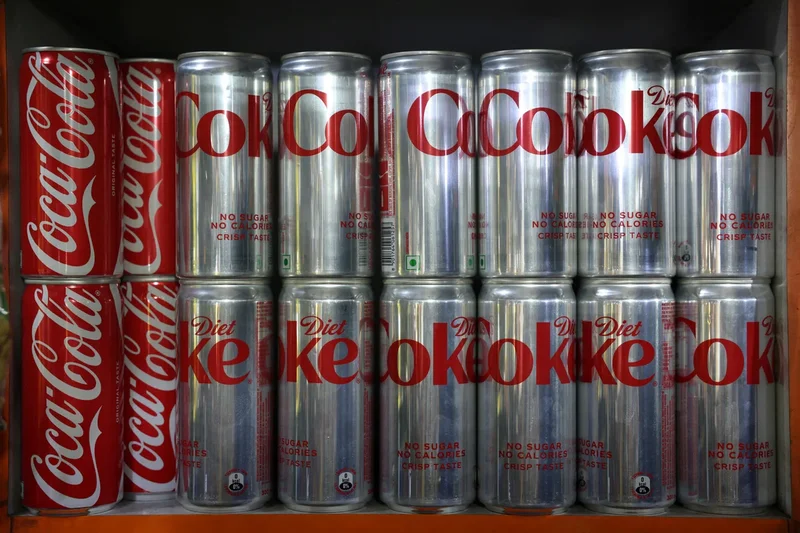
An unexpected consequence of the U.S.-Israeli war on Iran has been a significant disruption to India's Diet Coke supply, initially leading to a shortage of aluminium cans and sparking an unusual trend of "Diet Coke parties" across the vast consumer market.
However, the popular fizzy drink is now becoming more expensive. Coca-Cola has implemented a price increase of over 10 per cent for Diet Coke in India, where it is primarily sold in aluminium cans. This hike is directly attributed to the ongoing Middle East conflict, which has severely impacted the company's supply chain. Consequently, Coca-Cola has been compelled to source more costly, larger-sized cans from Southeast Asia, according to two individuals with direct knowledge of the confidential strategy.
The Strait of Hormuz, a critical supply route for these aluminum cans and related raw materials to travel to India, has virtually closed again with commercial traffic heavily disrupted, following the collapse of an interim truce meant to end the Iran conflict.
There are fears the disruption could widen further to block another sea route. Coke's hike is an example of how the conflict is still forcing global companies to alter their supply chains and increase prices in some of their most consequential consumer markets.
Unlike most other markets, Diet Coke is sold mostly in cans in India, making it more vulnerable to disruptions. Its most popular variant in India is the 300-milliliter can, priced at 40 Indian rupees (41 U.S. cents). Coca-Cola has now rolled out 330-ml cans of Diet Coke in India for 50 Indian rupees, as the smaller ones are in tight supply, the sources said, adding the decision was made to account for higher costs.
On a per-ml basis, the price increase translates to 13.6%. Coca-Cola, which has not publicly unveiled pricing changes, did not respond to multiple requests for comment.
At least one of the company's Indian bottlers has for a limited time started offering Diet Coke in small 200-ml glass bottles, though they are much more expensive than the canned drink, according to online listings and a third source with direct knowledge of the matter. Coca-Cola and Pepsi count India as a major growth market, and with the exception of Diet Coke, most of their drinks are sold in plastic and glass bottles, as well as cans.
Diet Coke has become hugely popular in India, `especially among health-conscious consumers. Coca-Cola also sells no-calorie Coke Zero in India, but its supplies are not at risk because it is sold both in plastic bottles and cans. In recent months, Indian pubs and social media influencers spotted a chance to profit by organising parties that came with a $10 to $16 entry fee and offered access to Diet Coke as well as music and alcohol.