- See more This is Money on Google - save us as a Preferred Source
UK borrowing costs soared yesterday amid a global bond market rout sparked by a surge in the oil price back above $100.
Yields on ten-year gilts climbed above 5.1 per cent as the oil price rise, driven by the Iran war, fuelled inflation and interest rate hike fears.
Until the conflict, gilt yields had not been at that level since the financial crisis in 2008.
The rise will add to the cost of servicing the UK’s debt pile, creating a headache for new Prime Minister Andy Burnham and his Chancellor John Healey (pictured).
Burnham is already facing questions about how the Government will balance the books after a series of eye-catching pledges on energy bills, bus fares and business rates.
A further spike in oil prices is fuelling fears of another inflation shock and higher rates
And the market turbulence is likely to spell fresh misery for households, as mortgage rates rise while fuel and energy go up too.
RAC figures yesterday showed motorists are already paying the price for the resumption of hostilities in the Middle East.
Diesel has climbed by 8p a litre in the past fortnight, while petrol is up 5p in two-and-a-half weeks.
RAC head of policy Simon Williams said prices were ‘shooting up like a rocket’.
The rise is likely to mean a recent fall in inflation proves short-lived. It has raised fears of Bank of England interest rate hikes, with markets now betting there will be two this year.
Lenders have responded by putting up rates they offer mortgage borrowers. Yesterday’s turmoil for UK bonds – known as gilts – was part of a global sell-off.
In Germany, ten-year bond yields hit a 15-year high.
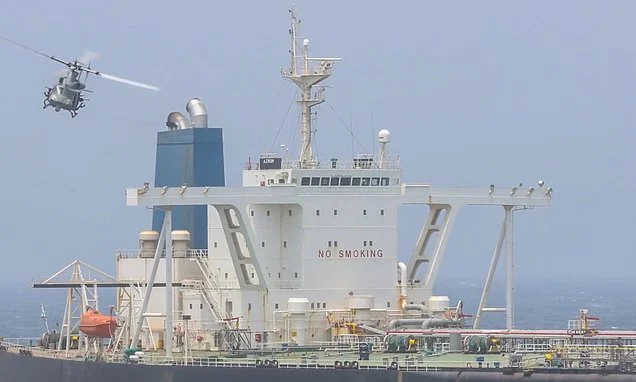
Brent crude, the global oil benchmark, passed $100 for the first time since May – a fifth day of increases – as Yemen’s Houthi rebels said they struck two Saudi tankers, widening the scope of disruption.
Until now, the war has choked off supply via the Strait of Hormuz. The Houthis are now targeting a separate key waterway, the Bab el-Mandeb Strait, creating a second choke point.
Analysts at Goldman Sachs believe Brent could top $120 in the fourth quarter and average $100 next year if the Strait of Hormuz remains disrupted – or go even higher if Bab el-Mandeb suffers persistent problems.
Oil has been on a rollercoaster ride since Donald Trump’s Iran war began in late February.
It leapt from $72 before the war to a peak of $126 in April. The price slid back after a ceasefire and fragile peace deal, dipping to $70 by the start of this month.
But since the deal collapsed it has spiralled as high as $101 yesterday. Stock markets were also on the back foot, with the FTSE 100 ending 0.7 per cent, or 77.80 points, lower at 10,639.17 yesterday.
Susannah Streeter, chief investment strategist at Wealth Club, said: ‘Investors are wary as fresh jitters of worry about the energy crunch hit sentiment.
‘Escalating Middle East tensions raise the risk of deeper supply disruptions and threats to vital energy arteries.
‘Iran appears to have pulled the Houthis back into the toxic geopolitical mix.
‘The strikes, if confirmed, would mark the first since the Houthis announced a maritime embargo against Saudi Arabia, opening another potential front in the conflict.’
DIY INVESTING PLATFORMS
Compare the best investing account for you