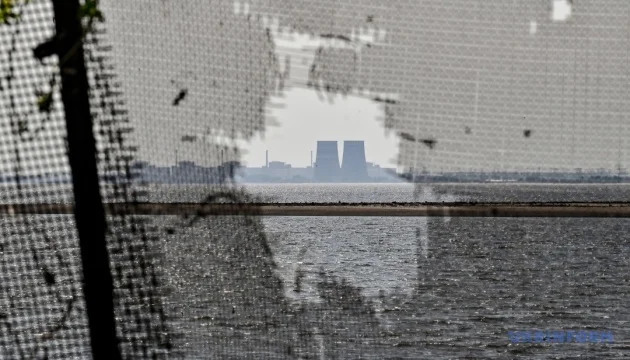
IAEA Director General Rafael Grossi said this in a statement seen by Ukrinform.
In his statement, Grossi said there was currently no shortage of the water used for reactor cooling and for other essential nuclear safety and security functions.
At the same time, he said attacks on Enerhodar and its surrounding areas, where a significant portion of the plant's staff live, had "targeted, among other locations, local electrical infrastructure, leading to a loss of water supply in the city and at the ZNPP site."
"Reliable access to basic services and supplies is important for staff well-being and for the continuity of their essential work," Grossi said.
Read also:Ukraine disrupts Russia's attempt to connect Zaporizhzhia Nuclear Power Plant to its energy system – Greenpeace
He also reported that IAEA observers at the plant have had "only limited access to tap water since 18 July."
Grossi did not mention either Ukraine or Russia when referring to military activity in the area.
He said the IAEA team working on site had been unable to visit the off-site emergency operations center since December due to security concerns.
In his latest statement, Grossi once again stressed that nuclear power plant staff "must be protected at all times."
As reported, satellite imagery has exposed another attempt by Russia to connect the Zaporizhzhia Nuclear Power Plant to the temporarily occupied territories and the Russian power grid. The plans were thwarted by strikes carried out by Ukrainian drones.