Midjourney, the artificial intelligence lab that was an early contender in the AI image generation race, has purchased the astrology app Co-Star. The company plans to offer a new astrology-focused image generator, according to Bloomberg, a first for Midjourney since users must currently belong to the company’s Discord server to use the product.
Midjourney burst onto the scene in early 2022, shortly before the explosion of AI tools like ChatGPT. But it’s lagged behind larger competitors like OpenAI and Google, which have thrown billions of dollars at AI image generation. Google’s Nano Banana is considered head and shoulders above Midjourney in AI image quality, but the latter AI company has been experimenting in unexpected spaces like medical scans.
Midjourney confirmed to Gizmodo over email that the acquisition of Co-Star actually happened in the spring, but news of the deal only broke this week. Financial terms weren’t disclosed, and Midjourney declined to answer questions beyond just pointing to a blog post from David Holz, the founder of Midjourney.
Holz says he first met the founder of Co-Star, Banu Guler, about five years ago and has been speaking with her for years about “the ways people reflect and make decisions both in the present, future, and over the past thousands of years.”
“I respect her insights immensely and am excited to have an opportunity to have her and her amazing team join Midjourney to help build a broader organization around Product and Design,” wrote Holz. “CoâStar itself is a wonderful project, and it will remain entirely under Banuâs control and direction. But now she will have radically expanded resources and teams to help us going forward on all of our projects.”
Co-Star gives users advice and words of affirmation based on the date and time of their birth, a pseudoscience that’s become more popular in recent decades. The Co-Star app has about 4.3 million monthly active users, according to Bloomberg. Twenty-seven percent of American adults believe astrology is real, with younger people much more likely to believe.
The gender divide on astrology is also fairly stark, with 43% of women between the ages of 18-49 believing astrology is real and just 20% of men in that same age group saying they believe in it, according to Pew Research. Those with more education are less likely to believe in astrology. Roughly 31% of Americans without a college degree believe astrology is real, while just 20% of those with a college degree think it has some basis in reality.
Those with lower incomes are more likely to believe in astrology than those who make more money. Pew found that 37% of those in the lower-income bracket believe astrology is real, while just 16% of those with high incomes believe in the pseudoscience. Horoscopes convince people astrology has merit by deploying so-called Barnum statements, assertions that feel like they’re incredibly specific but actually apply to a large number of people.
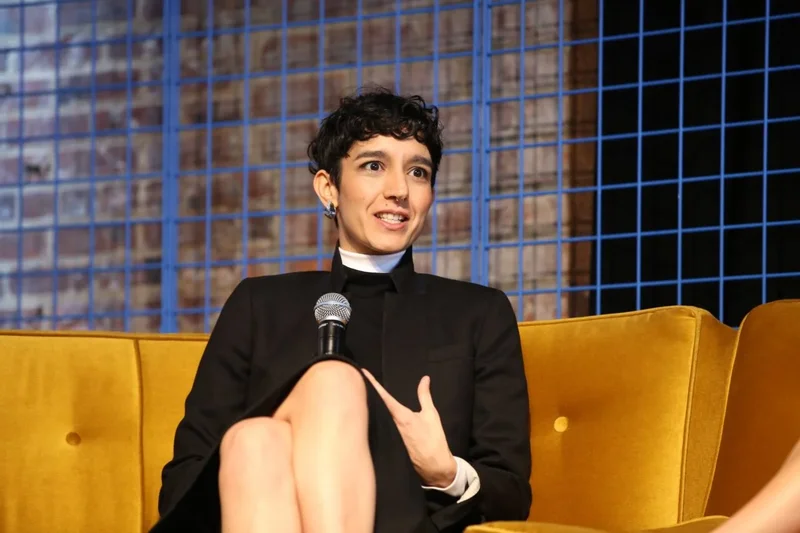
Banu Guler will become the chief design officer of Midjourney, and the acquisition was announced in a tweet on Friday.
I moved to New York when I was 17. I waited tables at a vegan restaurant, worked the night shift at Dunkin Donuts on 3rd Ave, and finally found out about bike messengering, which I figured was a great long-term career option if I wanted to focus on feminist zine/book projects and⦠https://t.co/Bdlu4bKMSz
— Banu Guler (@banu__guler) July 24, 2026
“We’re at a crazy moment in history,” Guler wrote. “At a time when it feels like many labs are pushing toward replacing humans with computers, David and I are taking a different approach. We share the belief that computers can be tools that reveal our humanity to ourselves. Tools that show you what you mean, how you feel, what you’re imagining, before you can articulate it yourself.”
The bullshit generator of AI paired with the bullshit generator of an astrology app truly feels like a match made in the heavens.