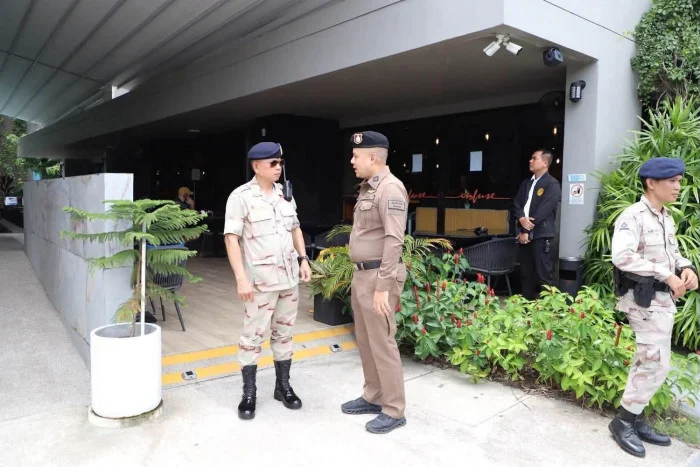
The government has intensified its crackdown on illegal hotels in Phuket after inspections found three properties operating without licences.
Deputy government spokeswoman Ploythalay Laksameesaengjan said the move followed instructions from Prime Minister and Interior Minister Anutin Charnvirakul, who directed the Interior Ministry to work with relevant agencies to strengthen public order and ensure hotel regulations are strictly enforced.
Deputy Interior Minister Polapee Suwunchwee recently led a joint inspection team in Phuket, targeting three hotels with about 200, 240 and 45 rooms. Authorities found none had valid construction permits or hotel operating licences.
Two of the properties had originally been approved as residential buildings or condominiums but were converted into hotels without authorisation, investigators said.
Officials also conducted online booking tests, which confirmed the hotels were marketing rooms primarily to European and other foreign tourists, with virtually no Thai customers.
Further investigation uncovered suspected nominee ownership arrangements involving businesses with 49% foreign and 51% Thai shareholders. Some properties were legally owned by Thai nationals but leased to Chinese investors, who allegedly operated hotels without the required licences.
The operation formed part of a broader inspection covering more than 10 locations across Phuket. Phuket governor Sophon Suwannarat has been instructed to order businesses to close immediately if operators fail to submit the required documentation.
The Department of Provincial Administration is now working with the Royal Thai Police, the Ministry of Commerce, the Department of Special Investigation and other agencies to expand investigations into foreign business networks nationwide.
Separately, deputy government spokeswoman Lalida Pervsivatan said Thailand will introduce a new intelligence-based screening system from Aug 1 to improve detection of nominee businesses. It will analyse company registration records, shareholder structures and financial statements to identify high-risk firms with Thai shareholders in suspicious cases.
However, Ms Lalida stressed the measures are not intended to discourage legitimate foreign investment but to distinguish lawful investors from those using nominee structures to operate illegally.