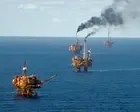
Production at Britain’s biggest undeveloped oil and gasfield could be delayed for months after equipment from a rig was accidentally dropped in the North Sea, the Guardian can reveal.
Andy Burnham’s new government is under pressure from the fossil fuel industry to allow oil to be retrieved from the Rosebank site despite opposition from climate campaigners and some Labour MPs.
Rosebank, located about 80 miles north-west of Shetland, was believed to be ready to generate oil before the end of the year, pending ministerial approval.
Adura, the company responsible for Rosebank, now says it anticipates this will happen at some point in 2027. The field is projected to produce 300m barrels of oil over its 25-year lifespan, according to industry estimates.
Some MPs believe enhanced domestic production of oil and gas would help tackle the cost of living, a central focus of the new prime minister, by improving energy security amid global instability, while green campaigners believe the impact on the UK economy of exploiting the fields would be minimal.
However, delays at Rosebank mean production at the field will be unlikely to affect the UK’s energy supply over the winter months. Licences for Rosebank and another site, Jackdaw, were granted under the Conservatives but operations were paused after a court challenge by environmental groups.
The new energy secretary, Miatta Fahnbulleh, is expected to make a decision on the fields’ future after consultations regarding their emissions conclude in August.
Earlier this week, Adura told the BBC that the Jackdaw site, about 150 miles east of Aberdeen, could produce gas as early as October.
However, preparations for oil production at Rosebank have been hindered by the rig incident, which occurred on 18 April. No workers were hurt, but two central pieces of drilling equipment, including a safety valve, were dropped 1,100 metres on to the seabed.
The platform, hired by Adura from Norwegian company Odfjell Drilling, was taken to a shipyard in Bergen for repairs. It is now back at Rosebank but not yet operational.
Odfjell Drilling said in internal documentation that the rig could be out of action for up to four months. The Guardian understands this means that some oil wells will be completed significantly behind schedule.
Burnham is facing calls from trade unions and opposition parties to ramp up North Sea production. Some Labour MPs say the oil and gas industry, centred around Aberdeen, could face collapse without new investment.
Sally Jameson, a Cabinet Office minister, has also argued that more domestic production of oil and gas would give Britain greater control over the cost of energy. Others fear it would have no real impact on bills, while wreaking untold damage on the climate.
Mike Reader, part of the Labour Environment Campaign, said there was no evidence new drilling would save jobs in the long term.
The Guardian revealed that only 27 direct full-time jobs would be created by Jackdaw, one of the biggest gasfields remaining in the North Sea, according to an environmental impact assessment filed publicly by Adura.
Ed Miliband, the new foreign secretary, previously described the Rosebank proposals as “climate vandalism” when Labour was in opposition. However, in recent weeks talks are believed to have taken place on how to allow new drilling without breaching Labour’s 2024 manifesto commitments, in which it pledged not to issue new licences but honour existing ones.
Several environmental groups are understood to be considering whether they would have grounds to take legal action regarding any government decision to allow new drilling.
Angeliki Papantoniou, a lecturer in environmental law at the University of Hull, said that, while a fresh challenge would be a “long shot”, it would be most likely to succeed if based on “substantive environmental matters” such as the disruption of ecosystems, pollution and potential health impacts.
“It could be argued that those developments cannot reasonably be ignored when taking a decision with likely high environmental effects,” she said.
“In theory, it could be hard for [Fahnbulleh] to claim that [the government] took all necessary precautionary measures without detailed risk assessments on the effects of drilling on the marine environment, climate and human health.”
Areeba Hamid, co-executive director of Greenpeace, which challenged the original decision to grant licences, said approval for the fields would make “zero difference” to energy bills and generate few jobs.
“Despite these meagre benefits, we would be prolonging a polluting industry that’s fuelling heatwaves while sending a disastrous signal to our international allies,” she said.
Odfjell Drilling declined to comment. Adura did not respond to a request for comment.