- READ MORE: Woman turns £35,000 public toilet block into stylish two-bedroom property - and is now selling it for nearly ten times the price
- See more Daily Mail on Google - save us as a Preferred Source
For two decades, I've spent countless weekends in the Lake District, hiking, swimming, camping and scrambling up remote fells and paddling in hidden tarns.
And in that time, I've watched some of its prettiest villages and most famous scenic spots become victims of their own beauty.
Around 18 million people now visit the National Park in Cumbria a year, despite it having a permanent population of only around 40,000 people – and judging by gripes from locals and visitors alike, that mismatch in numbers is becoming unsustainable.
This isn’t a rant about tourists – after all, as a southerner who regularly journeys to the beauty spot, I am one. And I firmly believe everyone should have access to the outdoors.
But there are now parts of the Lakes where traffic jams stretch bumper to bumper for miles, pavements are packed and litter, illegal parking, barbecue-related fires and overcrowding have become serious dangers, and eyesores.
The good news? There are still wonderful corners of the Lake District that feel quieter, more authentic and far more enjoyable than the hotspots you’ll see on Instagram.
Read on to discover where I’d avoid this summer – and where I’d go instead...
For two decades, I've spent countless weekends in the Lake District, hiking, swimming, camping and scrambling up remote fells and paddling in hidden tarns, writes Sian Lewis
Avoid: Ambleside
I once spent half an hour sitting in traffic trying to crawl under a mile through Ambleside on a summer afternoon.
At one point, I spotted a road sign reminding American visitors which side of the road to drive on – a clue as to just how internationally popular the town has become.
The town of Ambleside has plenty going for it: good outdoor shops, lovely old buildings and easy access to Windermere.
But in peak season it can feel less like a Lakeland village and more like a theme park version of Cumbria, complete with crazy queues for ice cream and achingly quaint teashops overcharging hapless hikers for tea and cake.
I struggle to walk along the pavements of Ambleside in summer, let alone park here, and residents regularly complain about traffic gridlock.
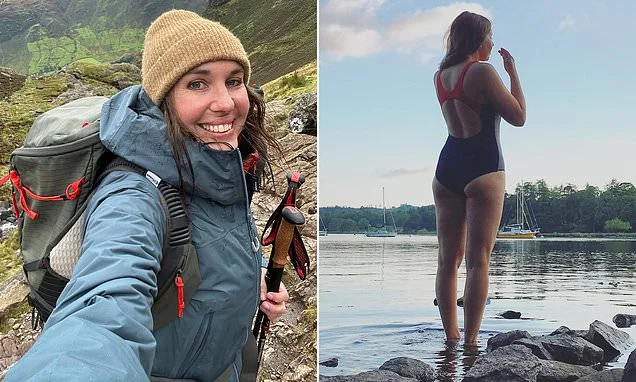
There are now parts of the Lakes where traffic jams stretch bumper to bumper for miles, pavements are packed and litter, illegal parking, barbecue-related fires and overcrowding have become serious dangers, and there are eyesores. Pictured: Sian Lewis
I once spent half an hour sitting in traffic trying to crawl under a mile through Ambleside on a summer afternoon
Visit instead: Kendal
Kendal may not be especially photogenic, or have a lake on its front door, but it’s a proper market town where people actually live and work, with independent shops, excellent pubs and far fewer crowds.
It’s also home to the brilliant Kendal Mountain Festival, held each November, when adventurers, filmmakers and outdoor lovers descend on the town for talks, films and events – a good excuse to visit the Lakes out of season.
Stay here and you’ll still have easy access to the fells, just with better coffee and less traffic.
Kendal may not be especially photogenic, or have a lake on its front door, but it’s a proper market town where people actually live and work, with independent shops, excellent pubs and far fewer crowds
Avoid: Grasmere
The dinky grey stone village of Grasmere (population 556) is undeniably pretty, but these days it often feels as though every visitor to the Lake District has converged on it to pay homage to Wordsworth, park their Chelsea tractor (or their 50-seater coach) badly or pop in to the village’s world-famous gingerbread shop for that must-have souvenir (just order it online instead!).
I especially avoid this honeypot stop during the school holidays.
There are still wonderful corners of the Lake District that feel quieter, more authentic and far more enjoyable than the hotspots you’ll see on Instagram, writes Sian
The dinky grey stone village of Grasmere (population 556) is undeniably pretty, but I especially avoid this honeypot stop during the school holidays
Visit instead: Rydal
Just down the road, the tiny, tranquil village of Rydal feels like Grasmere’s quieter sibling.
Rydal Mount, where William Wordsworth lived for much of his life, is currently being refurbished but its historic house and charming garden tearoom are well worth a visit once they reopen.
The walk to Rydal Water is lovely, there are peaceful paths through ancient woodland, and you can still find moments of genuine calm here even in summer. All the scenery that inspired Wordsworth, but far fewer crowds.
Just down the road, the tiny, tranquil village of Rydal feels like Grasmere’s quieter sibling
Avoid: Windermere
England's largest lake should be one of the jewels of the Lake District, but in recent years Windermere has become synonymous with a very different headline.
Reports of sewage discharges and concerns over water quality have sparked national debate, while campaigners and locals have raised fears about the long-term health of the lake.
Add to that the crowds of cruise boats, paddleboard hire, busy promenades and packed car parks around its shores, and it's not the peaceful escape (or pleasant swim!) you might imagine.
Sian advises visiting the smaller lakes, such as Coniston, that still attract plenty of visitors in summer, but remain more low-key. Pictured: Sian enjoying the outdoors in the Lake District
England's largest lake should be one of the jewels of the Lake District, but in recent years Windermere has become synonymous with a very different headline
Visit instead: Coniston
Coniston has its own famous lake and mountain backdrop, and it still attracts plenty of visitors in summer, but somehow it remains more low-key.
You can swim, paddle, walk up the Old Man of Coniston or simply sit in a pub overlooking the water.
To me, it feels more like a working Lakeland village than a tourist resort.
Coniston has its own famous lake and mountain backdrop, and it still attracts plenty of visitors in summer, but somehow it remains more low-key
Avoid: Helvellyn
The last time I climbed Helvellyn on a summer weekend, it reminded me of that famous photograph of people queueing on Everest.
England’s third-highest mountain is one of our country’s classic hikes, and Striding Edge is a genuinely thrilling route. But on busy days the ridge is an endless line of brightly coloured waterproof jackets.
I was also shocked by the number of wildly underprepared people attempting this reasonably challenging hike, clad only in trainers with no grip (or even the unspeakable: Crocs) – no water, no map.
Mountain Rescue teams in Cumbria do incredible work, but they are called out far too often to walkers who have underestimated the hills.
If you’re determined to climb Helvellyn, go at the crack of dawn or visit out of season (if you have the right skills and equipment).
The last time I climbed Helvellyn on a summer weekend, it reminded me of that famous photograph of people queueing on Everest
Sian advises avoiding Helvellyn unless you can go at the crack of dawn or visit out of season
Visit instead: The High Street
If you're looking for a proper walk without feeling like you've joined a conga line, I'd head for the High Street instead.
Once a Roman road, this broad ridge offers spectacular views and a real sense of space, stretching for 22 miles between Troutbeck and Penrith.
I’ve walked for hours here seeing only a handful of people – a rarity in the busier central Lakes.
Despite its name, this grassy path is about as far removed from the bustle of modern life as you can get, and the route winds over rolling hills and past lonely tarns, with huge views stretching towards Helvellyn.
The Lake District is one of the greatest landscapes in Britain, and it deserves to be visited – respectfully.
Skip the traffic jams, look beyond the TikTok hotspots, visit outside of the summer season or simply venture a little further in search of its wilder side.