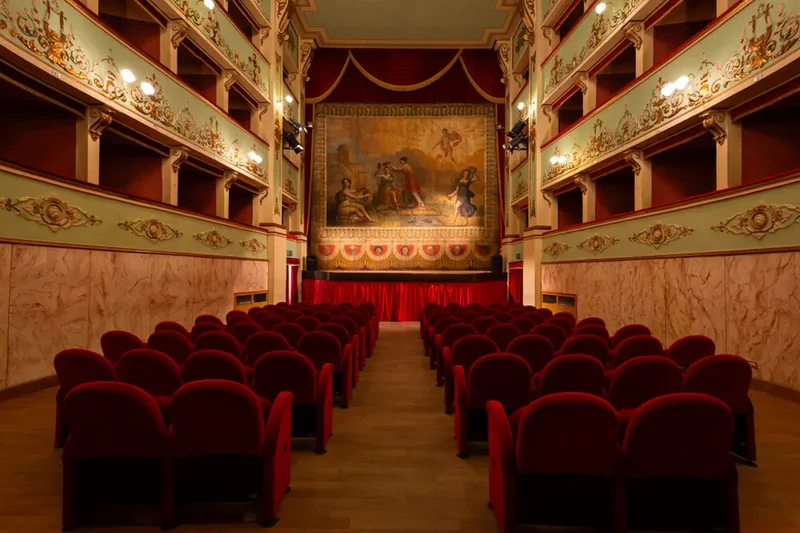
“It is with pride and satisfaction that we welcome the decision” made during a meeting of the UN agency in South Korea said Italian Culture Minister Alessandro Giuli in a press release on Sunday.
The word “condominio” means “co-ownership” in Italian. The theatres “represent a unique phenomenon in the history of architecture and theater as a social and cultural institution,” the ministry said.
“Born out of the direct participation of citizens, who shared ownership, management, and attendance, they contributed significantly to the development of cultural and social life in the regions” of central Italy during the 18th and 19th centuries, it added.
“This is a widespread heritage, comprising buildings of particular elegance and a civic tradition that has made the theatre a defining element of these communities’ identity".
The ten recognised buildings in Le Marche, Emilia Romagna and Umbria, "feature tiered boxes, carefully designed auditoriums for optimal acoustics and visibility, stalls, foyers, ridotti, and historic stage machinery", according to a UNESCO press release.
"They embody the innovative “condominio” system, a model of collective ownership and public‑private financing that enabled municipalities and private citizens to collaborate in constructing theatres in small and medium‑sized towns."
"This system fostered the growth of a widespread cultural network, providing new representational spaces for the emerging bourgeoisie and broadening public access to the performing arts."
Their inclusion brings the number of Italy's UNESCO-recognised sites to 62, according to the culture ministry.
"This recognition cements Italy’s top position in the UNESCO World Heritage List. A top position that makes us proud and spurs us on to do more and do better," said Prime Minister Giorgia Meloni in a statement.