The P100,000 question of the foldable phone
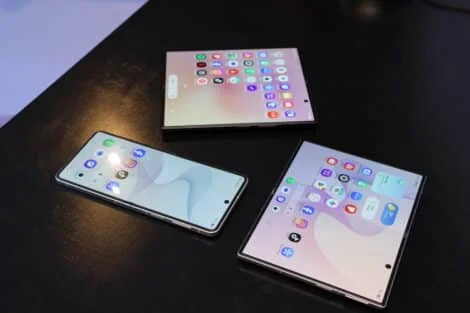
In a world where foldables are slowly creeping into the mainstream, Samsung’s latest foldables are, by any technical measure, impressive. The Galaxy Z Fold8 Ultra is slimmer, the camera is slightly better, the hinge is more refined, and Galaxy AI has evolved into agentic functions. On paper, the Z8 series represents the most compelling case Samsung has ever made for the foldable form factor.
Then comes the price. The Galaxy Z Fold8 Ultra starts at ₱101,600. The standard Fold8 at ₱91,100. Even the more accessible Flip8 — the one pitched at a younger, style-conscious crowd — comes in at ₱65,100. These are not phones you impulse-buy. In a country where the median monthly income sits well below what a single installment on the Fold8 Ultra would cost, the audience for these devices is, by definition, narrow.
Smart is doing what it can to widen that window. Pre-orders running until August 13 come with a storage upgrade — 256GB bumped to 512GB at no extra cost, worth up to ₱14,000 in savings — and three months of Samsung Care+ thrown in. The installment option stretches the Fold8 Ultra to ₱5,021 a month over 24 months at zero interest, which makes the number easier to say out loud, if not necessarily easier to commit to.
Article continues after this advertisement
The trade-in program adds another layer. Bring in an eligible device, knock up to ₱14,000 off the price, and suddenly the math starts to look less punishing.
For those at the top of Smart’s subscriber tiers, the Infinity plans fold in the kind of perks that make a ₱100,000 phone feel less out of place: unlimited data, roaming-ready connectivity, airport lounge access, a dedicated relationship manager. It’s a complete premium ecosystem pitch, and Samsung’s foldables fit it naturally. A phone that unfolds into a tablet makes more sense when you’re already living in that register.
The Galaxy Watch9 and Watch Ultra2 round out the bundle, with Smart Device Link letting a smartwatch and phone share a single number and plan, a small but genuinely useful feature for people who’ve already committed to the Galaxy ecosystem.
Foldables still ask a lot of the buyer. The price premium over a conventional flagship remains steep, and the durability questions haven’t entirely disappeared from the conversation. Samsung has earned cautious confidence on the hardware.
That gap may close over time. It always does with new form factors. For now, the Z Fold8 makes the strongest argument foldables have ever made, and it’s still an argument that only a small slice of the market can afford to be convinced by.