Qualcomm, the company behind the Snapdragon chips you will find in many phones, Windows on Arm laptops, and VR headsets, is reportedly raising its prices starting September 1. Unfortunately, that could mean bad news for both WoA and future VR headsets.
This is according to a letter sent to customers on Friday, which was seen by Bloomberg. According to that document, the price increase will be a percentage in the double digits, and presumably, that rise will only worsen the price of the devices that use the company's chips.
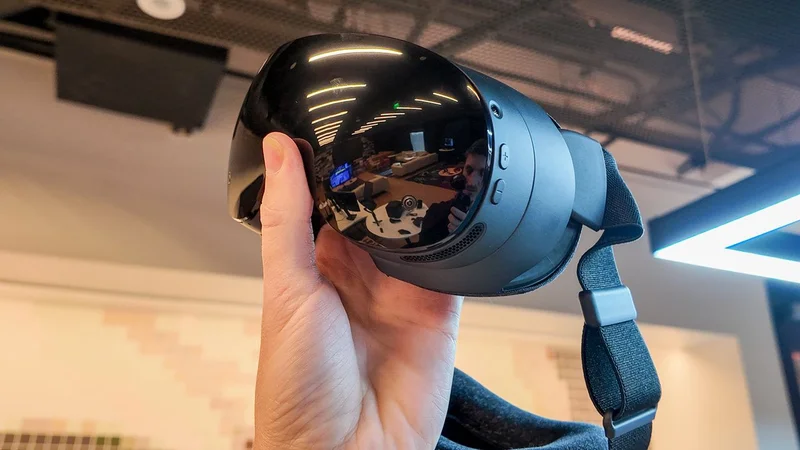
One such device is Valve's Steam Frame, which rocks a Snapdragon 8 Gen 3 and is said to be launching soon. The Steam Frame is its new wireless VR headset, and one designed for game streaming. It uses a special dongle for foveated streaming, which delivers the parts you are looking at in higher quality, saving on bandwidth. Steam has said all three pieces of its hardware triumvirate (Steam Controller, Steam Machine, and Steam Frame) would launch by the end of Summer, which means we have around a month left before that self-imposed deadline.
Though Valve is unlikely to eat those extra costs, it does reportedly have tens of thousands of kilograms worth of headsets in the US, so it presumably has a stockpile to sell before those price jumps might impact the end sale price. The Steam Machine, its TV-friendly gaming PC, was hit hard by the memory crisis, causing prices to increase before it was even launched, with its cheapest model being $1,049. Valve noted to us that it really wanted to sell it for much cheaper than that.
And Valve isn't the only major brand that uses Qualcomm chips. Meta has traditionally worked with the company to provide the chips for its Quest VR headset, and Meta is even reportedly working on 'multiple next-generation headsets'. We will see more information on what Meta is working on at Meta Connect at the end of September this year.
Qualcomm claims that it exhausted other options before coming to the realisation it would have to raise prices, and it even reportedly made attempts to get alternative components from new sources to keep costs down. As of right now, we don't know what those alternative components are, whether those are different memory chips or other parts of its SoCs.
Qualcomm is a big customer of the Taiwanese-based TSMC (which has recently announced its own price hikes), but the memory shortage is making it difficult to get all kinds of hardware at reasonable prices and in reasonable quantities. Qualcomm has reportedly been struggling for a while with the memory crisis, as smartphone manufacturers have been unable to build the supply that they once did, prior to the crisis.
Keep up to date with the most important stories and the best deals, as picked by the PC Gamer team.
It's a particularly bad time to hit Qualcomm as it has recently made some impressive strides into the gaming sphere, with the likes of its X2 Elite chips coming packed with some serious gaming chops. Windows on Arm is finally starting to receive some love (even Nvidia is investing in it, with its RTX Spark chip), and it could take the fight to x86 in the future, but that's only if prices stay good enough for customers to actually buy. It seems like the memory crisis isn't finished taking the hardware out of your hands and feeding it straight to the AI machine. And even Valve sees no end in sight for it.
James is a more recent PC gaming convert, often admiring graphics cards, cases, and motherboards from afar. It was not until 2019, after just finishing a degree in law and media, that they decided to throw out the last few years of education, build their PC, and start writing about gaming instead. In that time, he has covered the latest doodads, contraptions, and gismos, and loved every second of it. Hey, it’s better than writing case briefs.