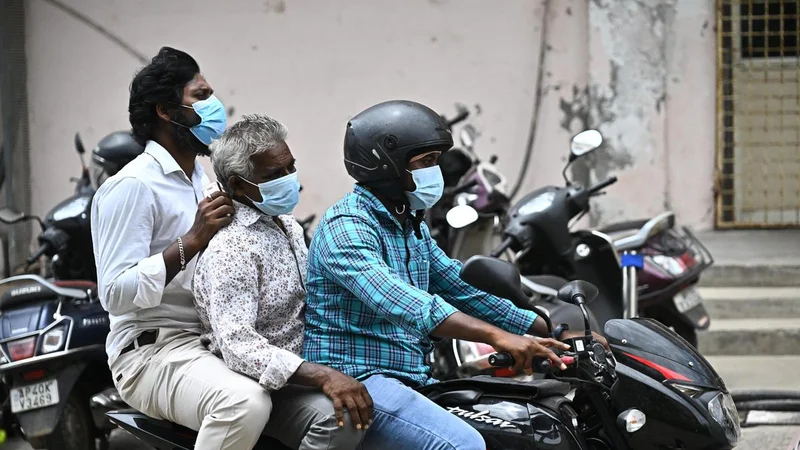
The COVID-19 profile in Andhra Pradesh reflects low-level, sporadic spread of a mild variant, Omicron RF.5, and the public health infrastructure is fully equipped to deal with any contingencies, according to information from the State government.
Between June 26, when the first case was reported, and July 27, 49 cases were reported. There were zero cases on Sunday and Monday, according to the information. Out of these, there are 32 active cases, with eight persons taking treatment in a hospital and the remaining 24 under home isolation.
In its analysis on the COVID situation in the State on Monday, the Health Department has pointed out that epidemiological tracking shows low transmission rates, with cases occurring sporadically in isolated pockets rather than through localised or rapid community outbreaks. Contact tracing shows no active community clusters, and no immediate cause for concern exists, it said.
While the National Institute of Virology, Pune, confirmed the sub-variant, Omicron RF.5, from the initial samples, the results of reports sent by the State on July 14, 18 and 20 are awaited. RF.5 causes routine upper respiratory symptoms, such as fever, cold and body pain. It does not show signs of increased lethality or lung involvement in otherwise healthy individuals, according to the health department.
All the four persons, aged between 16 and 66, who died had “severe” pre-existing conditions, such as uncontrolled diabetes, hypertension, septicemia, acute respiratory failure, multiorgan failure, according to the report. The 16-year-old female who died in Kakinada was suffering from severe hemoglobinopathy, had splenectomy history and gross anaemia, according to the report.
Detailing its response, the Health Department, in its analysis report, states that micro-containment zones have been defined around residences of people who tested positive. Rapid Response Teams (RRTs) have traced primary and secondary contacts, keeping home-isolated patients under daily phone monitoring.
Also, ANMs and ASHAs are conducting house-to-house fever monitoring to detect potential Influenza-Like Illness (ILI) or Severe Acute Respiratory Infection (SARI) clusters early.
Published - July 27, 2026 09:06 pm IST