For months, President Trump has been predicting that Cuba is about to collapse.
“It’s just going to fall,” he told reporters on Jan. 4, a day after taking control of Venezuela’s oil, which had been Cuba’s lifeline.
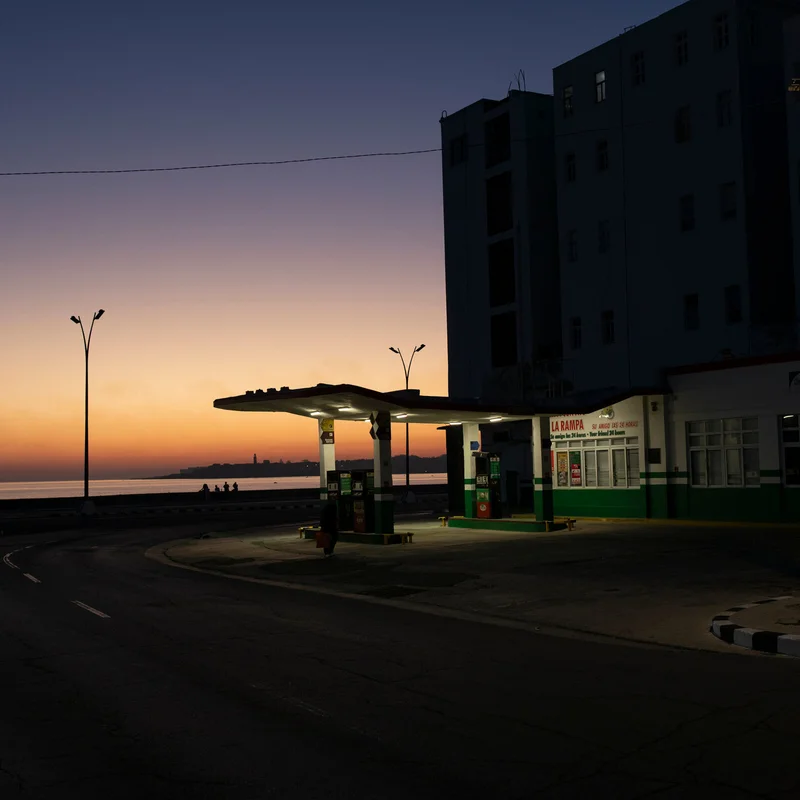
He then imposed an oil blockade that has pushed the island into its worst ever energy crisis, with mass blackouts now lasting nearly all day. And yet, more than six months later, the Cuban government and people are still standing.
This month, we visited the country to understand how. After a week on the ground, we found that while Cubans are clearly suffering, they are also doing what perhaps they do best: adapting.
They are swapping their gas-guzzling 1950s American cars for electric motorcycles and rickshaws from China; importing hefty lithium batteries to keep televisions and fans running through blackouts; jury-rigging generators to run on more accessible natural gas; and installing solar panels on rooftops and even vehicles.
Together, the workarounds amount to a new Cuban energy grid — this one more in the hands of the Cuban people, propping up society with the electricity off and fuel lines dry.