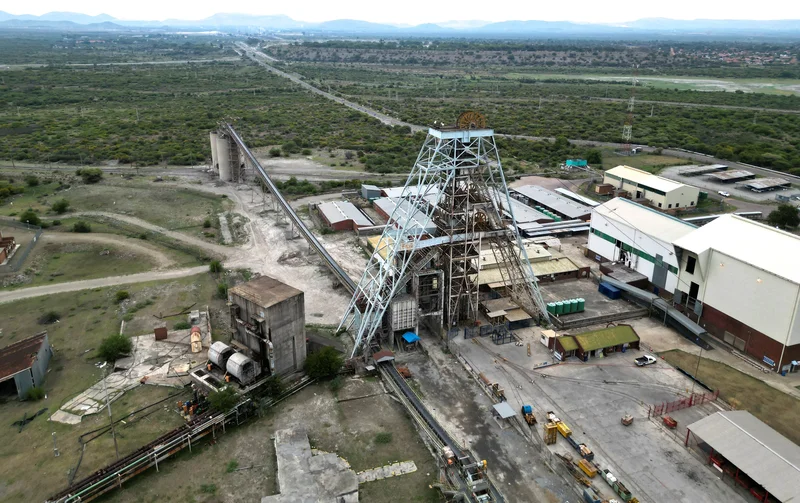
Impala Platinum (Implats) has taken the unusual step of proactively bringing its Rustenburg operations to a temporary halt for a âsafety resetâ after two fatal accidents weeks apart involving underground locomotives (locos) equipped with sensors and other gadgets that should have consigned such incidents to the past.
The accidents are a setback in the South African mining sectorâs improved safety drive and underscore the point that advanced technologies are not infallible in the face of human error.
âYou should not have underground loco incidents, because these machines are highly regulated,â said Implatsâ spokesperson Johan Theron. âTheyâve got safety proximity devices on each other so when two are in close proximity ... the drive mechanisms cut out.â
The scale of the reset over the course of the closure â 24 to 28 July â is huge and unprecedented in the circumstances. Impala Rustenburg employs around 51,500 people across its mining and processing operations, and it targeted production of between 1.67 and 1.76 million ounces of platinum group metals in FY2026, which ended on 30 June.
Implats has suspended its entire Rustenburg operations before in the wake of disasters, such as the one in November 2023 when 13 miners were killed after the conveyance cage they were in plunged down a shaft.
But invoking such a drastic shutdown over two locomotive accidents is highly unusual. The move underscores Implatsâ deep safety concerns and points to potential failures in high-tech systems specifically built to prevent such incidents.
âContinuous vigilanceâ
âThis safety reset reflects our belief that strong safety outcomes require continuous vigilance, meaningful workforce engagement and disciplined execution. It is the right action to take at this time,â said Implatsâ CEO, Nico Muller.
The incidents that triggered the mass closure at Rustenburg occurred on 6 and 24 July.
In the fatal accident last Friday, a hopper â a wagon that carries the rubble from blasting â derailed, and as a crew strived to get it back on track, another locomotive slammed into the stationary one.
âTwo locos should not collide into each other any more,â said Theron. âThe whole operation underground is highly monitored, and they have overarching sensors so even if the operator wants to drive into another loco, the system will cut out. The locos detect each other, and the systems will not allow the locos to come into contact with each other.â
But in the latest case they did just that, pointing to a technical fault.
âWere the systems maintained, were they initiated in the right way? All of this will be subjected to the investigation,â said Theron.
âAs recently as a few years ago all of these underground locomotives were manually operated by a driver. But, to prevent driver mistakes, we and other mining companies have been putting sensors and control systems that provide an additional layer of safety.â
This is reflected in data provided to Daily Maverick by the Minerals Council on ârail-bound equipmentâ fatalities in South Africaâs mines.
In 2017, there were eight such fatalities, a number that dropped to two in 2023 and 2024 before spiking to six in 2025. In 2026, to date, there have been four.
âThere was a decline, but over the last few months there has been an increase. The main issue is human error. And thatâs because thereâs been a lack of maintenance on those systems, or a lack of understanding, for that matter,â said Dushendra Naidoo, the head of safety and development at the Minerals Council.
Implats said it would âengage the original equipment manufacturer supplying locomotive anti-collision and detection technology, to further improve the technologyâs capabilityâ and appoint third-party specialists to assess safety systems.
Just a few years ago, shutting down an operation of this scale over a handful of fatalities was unthinkable. The financial toll is immense, driven by lost production, ongoing wage obligations, and the steep costs of restarting the mine.
But safety has become a top priority among investors and in the C-suite, and Implatsâ intervention at this scale may be the first of many in the industry. If locomotives equipped with high-tech sensors are failing, it should be fairly easy to get to the bottom of this conundrum, and if lives are saved, a stoppage is a small price to pay. DM