TL;DR
Fujifilm is raising prices on five cameras from September 1 due to the DRAM crisis. X100 VI up €200, GFX100 II up €500. The memory shortage that hit smartphones and laptops has reached cameras.
Fujifilm is raising prices on five cameras from September 1 due to the DRAM crisis. X100 VI up €200, GFX100 II up €500. The memory shortage that hit smartphones and laptops has reached cameras.
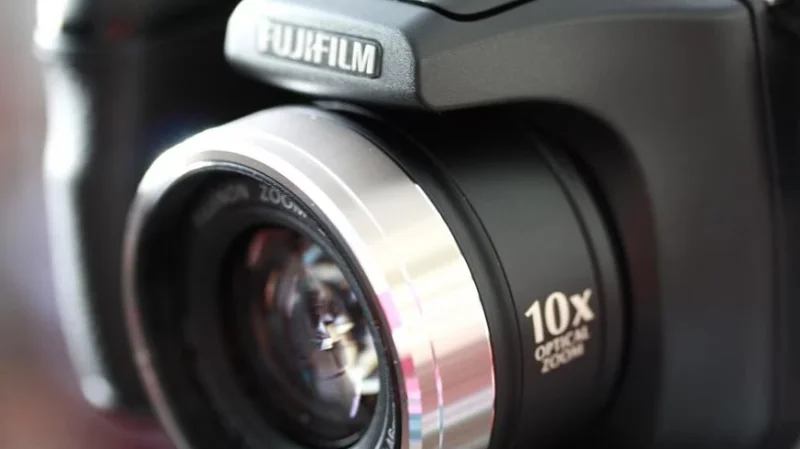
Fujifilm is raising list prices on at least five camera models from September 1, blaming the global DRAM crisis for rising production costs. The X100 VI climbs €200 to €1,999 ($2,119). The X-E5, X-T50, and X-S20 each go up €100. The steepest hike lands on the medium-format GFX100 II, which jumps €500 to €8,499, putting it €1,000 above its direct rival, Hasselblad’s X2D II.
This is not a Fujifilm problem. It is the same memory shortage that has been working through every electronics category since AI data centres began absorbing the world’s DRAM supply. The AI boom is killing the cheap smartphone because memory makers redirected wafer capacity to high-bandwidth memory for AI accelerators, leaving less for the LPDDR and DDR chips that go into phones, laptops, and cameras. Budget smartphones under $100 have become nearly impossible to manufacture profitably. Samsung raised prices across its entire foldable lineup by $100 per model. Qualcomm is raising chip prices by double digits. TSMC is expected to hike manufacturing costs roughly 10%.
Camera sensors and image processors depend on the same DRAM and NAND supply chain. Fujifilm estimates the memory crisis will cost it around ¥11 billion in 2026. Canon and Fujifilm told investors they have secured most of the memory needed for this year, which may delay further increases, but with RAM prices projected to climb another 40-50% this quarter, the pressure is not easing. Apple raised iPhone 17 prices 10% in Japan due to currency and component pressure, and camera manufacturers face the same headwinds with smaller margins to absorb them.
Canon, Sony, and Nikon have not announced increases yet, but they buy from the same suppliers and face the same cost structure. The DRAM crisis does not discriminate by product category. It hits everything with a processor and memory inside it, from phones to laptops to cars to cameras. The difference is that camera buyers tend to notice a €500 price hike more than a smartphone buyer notices €50, because a GFX100 II is a considered purchase, not an impulse one. Fujifilm is the first to move. The rest will follow.
Get the most important tech news in your inbox each week.